Blog
From Pantry to Gym Bag: Making High Protein Snacks Part of Daily Life

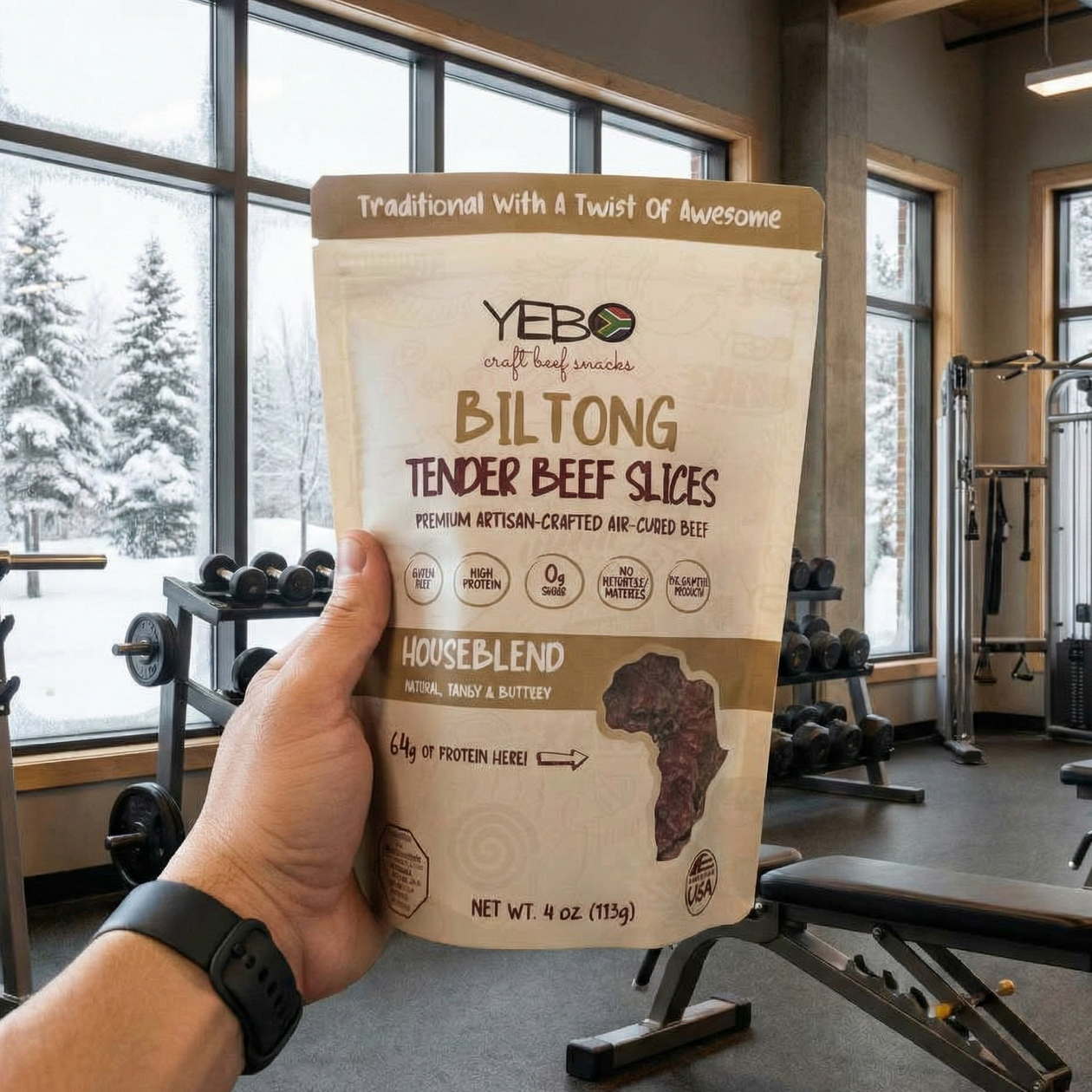
Most people understand the value of protein. They know it supports energy, strength, and overall health. Yet when it comes to daily habits, protein often shows up only at meals and disappears in between. Snacks become an afterthought, something grabbed quickly to quiet hunger rather than something chosen intentionally. Incorporating high-protein snacks into your daily routine can make a significant difference.
This gap between intention and reality is where many people struggle. Not because they do not care, but because daily life moves fast. Meetings run long. Errands pile up. Workouts get squeezed into small windows. Hunger appears at inconvenient times. In those moments, convenience usually wins. Whatever is closest becomes the snack, whether or not it supports the body.
The shift toward better snacking does not start with more rules. It starts with placement and habit. When high-protein snacks move from a general idea into visible, accessible parts of daily life, they become normal. When they live in your pantry, your bag, your car, or your desk, they stop being a plan and start being a practice. The pantry is often where habits are formed or broken. It is where the day’s food choices quietly take shape. When the pantry is stocked with high-protein snacks and protein-rich options, reaching for better fuel becomes effortless. When it is filled primarily with low-protein, high-sugar snacks, even the best intentions struggle to survive. Making high-protein snacks part of daily life begins with recognizing that snacks are not filler. They are fuel. A well-chosen snack can stabilize energy, reduce cravings later in the day, and support focus and movement. A poorly chosen one can trigger hunger cycles that follow you for hours.
This is especially noticeable in the afternoon, when energy tends to dip. Many people reach for something sweet to push through, only to crash later. Protein changes that pattern. It provides steadier energy and helps the body feel grounded rather than stimulated and drained.
High-protein snacks work best when they are simple. Overcomplicated options tend to fall out of rotation. If something requires preparation, refrigeration, or too much thought, it gets skipped. The most successful snacks are the ones you can grab without thinking, eat anywhere, and trust to do their job.
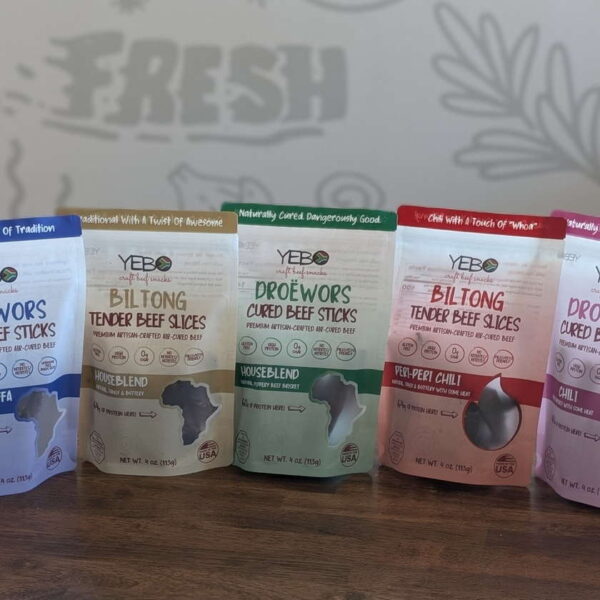
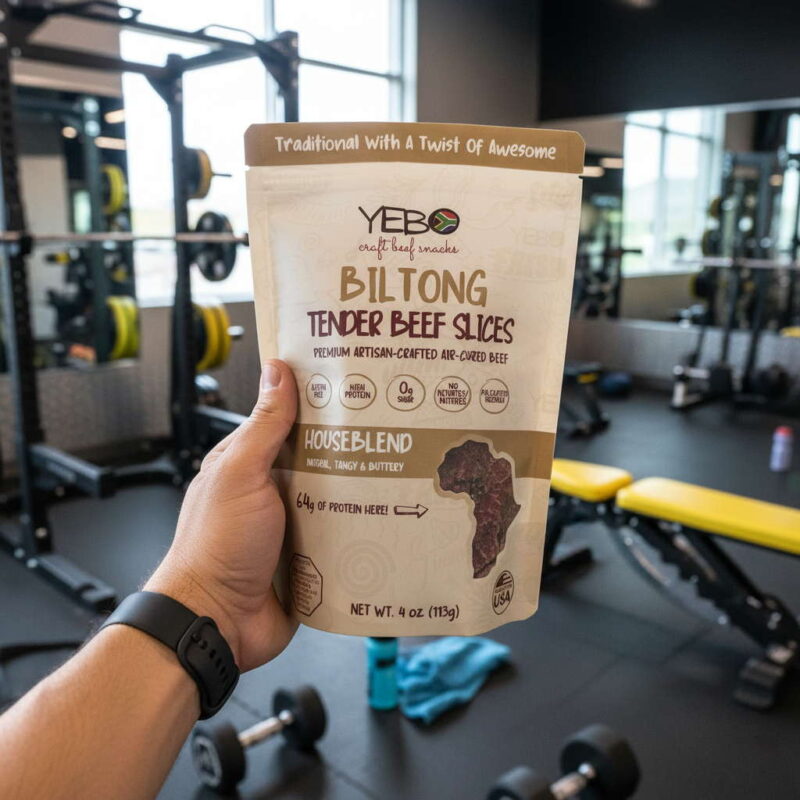
This is where pantry-friendly, shelf-stable protein options become powerful. They remove friction. They make better choices automatically. When hunger hits, there is no debate. The decision has already been made. Once protein snacks become a regular part of the pantry, the next shift is mobility. Daily life rarely happens in one place. Commutes, workouts, errands, travel, and long workdays mean hunger often shows up away from home. If protein stays in the pantry, it misses half its opportunity. Moving high-protein snacks into bags is what turns intention into consistency. A gym bag, backpack, purse, or work tote becomes an extension of the pantry. When protein travels with you, hunger becomes manageable rather than urgent. You stop reacting and start anticipating. This shift changes how the day feels. Instead of pushing through hunger or grabbing something out of desperation, you respond calmly. A protein snack becomes a pause rather than a disruption. Energy stabilizes. Focus returns. Gym bags are especially important in this equation. Workouts place specific demands on the body, and protein plays a key role in supporting recovery and strength. When protein is available before or after movement, the body adapts more effectively. Muscles repair more efficiently. Soreness feels more manageable. The problem is not that people do not want to support their workouts. It is that they forget or do not have time. A protein snack already in the gym bag removes that barrier. It becomes part of the routine rather than an extra task.
High protein snacks also support consistency outside the gym. Long workdays often stretch beyond planned meal times. Meetings overlap lunch. Commutes run late. When protein is not available, hunger builds until decision-making breaks down.
This is when vending machines, pastries, or convenience snacks come into play. Not because they are preferred, but because they are available. Having protein within reach changes the outcome. It creates a buffer that protects the rest of the day.
Over time, this pattern builds trust. You begin to trust that hunger will be met with something that supports you. That trust reduces anxiety around food and makes habits easier to maintain.
Another benefit of making high-protein snacks part of daily life is that it changes awareness of appetite. Protein creates longer-lasting satiety. When snacks include enough protein, hunger becomes more predictable and less intense. This makes it easier to listen to your body rather than override it. Instead of grazing continuously or swinging between extremes of hunger and fullness, the day settles into a more balanced rhythm. Meals feel more intentional. Snacks feel purposeful. Eating becomes supportive rather than reactive. This rhythm matters because consistency is what drives long-term change. Dramatic resets often fail because they demand too much attention. Small, repeated choices succeed because they integrate naturally into life. Protein snacks work best when they are not treated as a special effort. They are simply there, ready when needed, doing their job quietly in the background. Another overlooked aspect of high-protein snacking is mental clarity. Hunger is distracting. When blood sugar fluctuates, focus suffers. Protein helps stabilize these fluctuations, which supports attention, mood, and productivity. Many people notice that when they regularly include protein snacks, afternoon brain fog fades. Tasks feel more manageable. Energy feels steadier. This cognitive benefit reinforces the habit without requiring discipline. Feeling better becomes the motivation.
There is also an emotional component to consistent protein intake. Food choices influence stress levels more than most people realize. When hunger spikes unexpectedly, irritability often follows. When energy crashes, patience wears thin. Protein helps smooth these edges. It creates a sense of stability that extends beyond physical hunger. That stability makes daily life feel easier to navigate.From a practical perspective, integrating high-protein snacks into daily life is about reducing decision fatigue. When choices are simple and reliable, mental energy is preserved for more important things. You do not need to wonder what to eat. You already know. That certainty is freeing. As days turn into weeks, the impact of this habit compounds. Energy improves. Cravings decrease. Workouts feel more supported. Recovery feels smoother. Hunger becomes less disruptive. These changes do not result from restrictions. They happen because the body is finally getting what it needs consistently. The journey from pantry to gym bag is not about an overnight transformation. It is about alignment. Aligning your environment with your goals. Aligning availability with intention. Aligning daily habits with how you want to feel.
High protein snacks are one of the easiest ways to create that alignment because they work quietly and effectively. They support the body without demanding attention. They fit into busy lives rather than fighting them.
When protein becomes part of your everyday rhythm, it stops feeling like a nutrition strategy and starts feeling like common sense. Hunger becomes manageable. Energy becomes reliable. Daily life feels a little steadier.
That is the power of making high-protein snacks part of daily life. Not through perfection or planning, but through presence. From the pantry to the gym bag, one consistent choice at a time.