
Why January Is the Perfect Time to Upgrade Your Everyday Snack Choices


January arrives quietly after the noise of December fades. The decorations come down, the calendars reset, and the pace of life shifts just enough to notice how things actually feel. There is less pressure to celebrate and more space to reflect. It is a month that naturally invites awareness, especially around everyday habits that often run on autopilot.
As we enter January, it’s a great opportunity to rethink our Snack Choices and make healthier selections.
Food is one of those habits. Not the big meals that get planned or shared, but the small decisions that happen between them. The handful of snacks was grabbed during a busy afternoon, highlighting the importance of making thoughtful Snack Choices. The quick bite eaten while driving. The desk drawer snack chosen out of convenience rather than intention. These moments rarely feel significant, yet they quietly shape how the body feels throughout the day. Energy levels, focus, mood, and hunger patterns are all influenced by what fills those gaps.
January is the moment when those gaps become visible. After weeks of rich meals, sweet treats, late nights, and unpredictable routines, the body begins asking for something different. Not restriction or punishment, but balance. Heavier foods lose their appeal. Sugar crashes feel more pronounced. Energy feels harder to sustain. This is not a failure of willpower. It is simply the body signaling that it is ready for steadier fuel.
That is what makes January such a powerful time to upgrade snack choices. Not because it is trendy or tied to resolutions, but because the body is already aligned with the change.
During the holidays, snacking often becomes reactive. Food is everywhere, schedules are inconsistent, and hunger signals get ignored until they become loud. Snacks turn into whatever is easiest, sweetest, or closest. There is nothing wrong with that during a celebratory season, but when January arrives, the contrast becomes clear. The same snacks that felt comforting in December now feel heavy or unsatisfying. The cycle of quick energy followed by crashes becomes harder to ignore.
This is when awareness naturally increases. People start noticing that certain snacks leave them hungry again almost immediately. Others create an afternoon slump that feels impossible to push through. Some triggers cause cravings that last for hours. These experiences are not random. They are the result of food choices that no longer match what the body needs.
January creates the perfect environment for change because routines are still flexible. Life has not fully accelerated yet. There is room to experiment without pressure. Upgrading snacks during this window allows new habits to settle in before the year gets busy again. Instead of trying to overhaul everything at once, people can focus on one simple shift that delivers immediate benefits.
Snacks are the ideal place to start because they influence the day more than most people realize. A well-chosen snack can prevent overeating later, stabilize energy, and improve focus. A poorly chosen one can derail an entire afternoon. When snacks work with the body instead of against it, everything feels smoother.
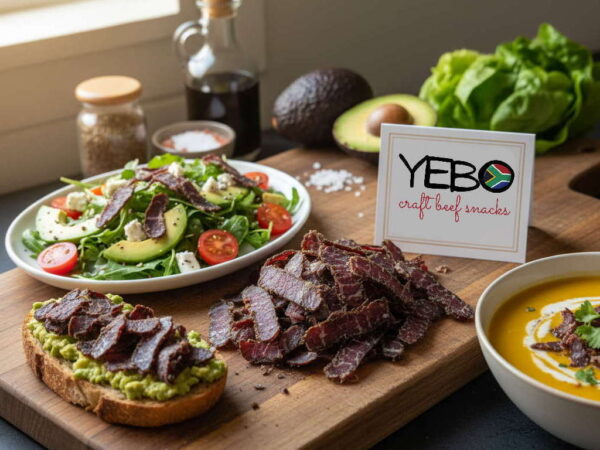 Protein plays a central role in this shift. It supports fullness, slows digestion, and helps regulate appetite. When snacks lack protein, hunger returns quickly and cravings intensify. Sugar and refined carbohydrates provide quick bursts of energy, followed by rapid drops, leading to irritability and fatigue. Protein changes that pattern by creating steadier, longer-lasting satisfaction.
January is when people become more receptive to this truth because they can feel the difference. After weeks of indulgence, the body responds immediately to better fuel. Energy feels more even. Hunger becomes quieter. Focus improves without caffeine overload. These changes reinforce the habit naturally.
Another reason January works so well for upgrading snacks is that motivation is driven by how people want to feel rather than external pressure. The desire is not to look a certain way or follow strict rules. It is to feel lighter, clearer, and more balanced. Snack choices directly influence that feeling. When a snack delivers satisfaction without heaviness, it becomes easy to choose again.
There is also a psychological shift that happens in January. With a new calendar and fresh routines forming, people are more open to letting go of habits that no longer serve them. This does not require perfection. It requires awareness. When someone realizes that a certain snack leaves them tired or hungry, replacing it feels logical rather than restrictive.
Upgrading snacks is not about eliminating enjoyment. In fact, enjoyment is essential for habits to last. Snacks should feel satisfying, flavorful, and comforting in their own way. When healthy snacks feel like a compromise, they fail. When they feel rewarding, they stick.
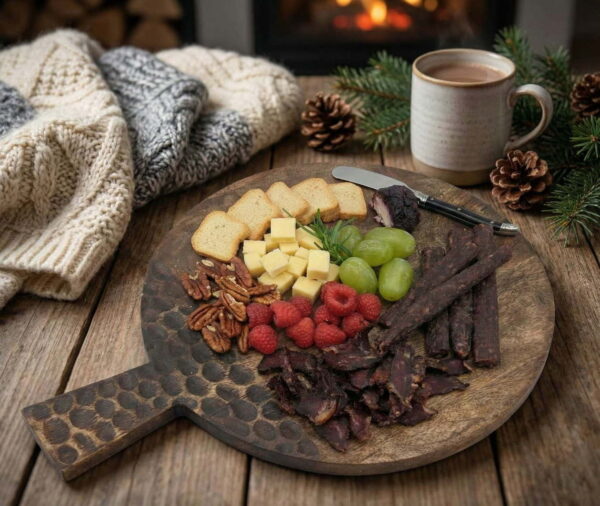
January is the perfect testing ground for this balance. It allows people to explore snacks that deliver both flavor and function. Savory options often become more appealing during colder months, especially after weeks of sweetness. Foods that feel grounding and nourishing resonate more deeply. This natural preference makes it easier to choose snacks that align with protein-focused habits.
Another reason January supports better snacking is that schedules often become more structured again. Work routines resume. Fitness habits reappear. Daily rhythms settle. Snacks fit more predictably into the day, which makes it easier to plan and notice their impact. When snacks are chosen intentionally, they become part of the routine rather than an afterthought.
Consistency is what transforms a good intention into a habit. January provides a calm environment where consistency can form without disruption. By the time spring arrives, upgraded snack choices feel normal rather than new.
It is also worth noting that upgrading snacks does not require drastic changes. The most effective habits are built through small, repeatable decisions. Replacing one daily snack with a better option can shift energy and appetite significantly over time. That one choice influences the next, creating momentum that carries forward.
The beauty of focusing on snacks is that the results are immediate. Unlike long-term goals that take months to show progress, better snacks improve how the day feels almost instantly. That positive feedback reinforces the habit quickly. People feel better, so they continue.
January also offers a sense of mental clarity that supports intentional eating. The distractions of holiday gatherings, travel, and social pressure ease. There is more space to listen to hunger cues and respond thoughtfully. This awareness makes it easier to recognize which snacks truly satisfy and which ones simply fill time.
Another advantage of making changes in January is that it reduces the feeling of deprivation. Rather than cutting things out abruptly, people naturally gravitate toward foods that feel better. The shift feels like an upgrade rather than a sacrifice.
Upgrading snack choices in January also supports broader goals without directly focusing on them. Improved energy supports movement. Stable hunger supports portion awareness. Better focus supports productivity. All of these benefits ripple outward from a simple change.
It is important to recognize that habits formed in January often set the tone for the entire year. This does not mean they must be perfect. It means they become familiar. When better snacks become the default, it is easier to maintain balance during busier or more indulgent seasons later.
The goal is not to avoid indulgence forever. It is to create a foundation that allows indulgence to exist without throwing everything off balance. Upgraded snacks provide that foundation. They anchor the day so that occasional treats do not create chaos.
January is uniquely suited for this kind of foundational work. It is quieter, slower, and more reflective. People are more willing to pause and ask how things feel than to rush to the next thing. That pause is where change happens.
There is also an element of self-trust that grows when snack choices improve. Choosing food that supports energy and satisfaction builds confidence. It reinforces the belief that small decisions matter and that change does not have to be dramatic to be meaningful.
As the weeks of January unfold, these small shifts compound. Hunger becomes more predictable. Energy stabilizes. Cravings lose their grip. The body settles into a rhythm that feels supportive rather than demanding.
By the time February arrives, upgraded snack choices no longer feel like a new habit. They feel like part of daily life. That is the true power of January. It creates a window where habits can take root quietly and grow naturally.
Upgrading snacks is not about chasing perfection. It is about aligning choices with how you want to feel. January offers the clarity, space, and readiness to make that alignment effortless.
When you look back at the year ahead, it will not be the dramatic resolutions that carried you forward. It will be the simple, consistent choices made during quiet moments. The snack you reached for when hunger hit. The energy you maintained through the afternoon. The sense of balance that followed you from one day to the next.
That is why January is the perfect time to upgrade your everyday snack choices. Not because it demands change, but because it invites it.