Blog
Protein Snacks That Actually Satisfies

Snacking has quietly become one of the most influential parts of daily eating habits. It happens between meetings, after workouts, during long drives, while answering emails, and in the moments when hunger appears without warning. Yet for something that plays such a significant role in how we feel throughout the day, snacking is often treated casually or reactively.
Modern wellness has started to shift this perspective. People are realizing that snacks are not filler or guilty pleasures. They are opportunities. Opportunities to support energy, focus, mood, and consistency. When snacks are chosen with intention, they stop working against health goals and start reinforcing them.
At the center of intentional snacking is protein. Not just any protein, but satisfying Protein Snacks that quiet hunger, stabilize energy, and feel rewarding to eat. Choosing the right kind of protein can completely change the snacking experience, transforming it from a constant cycle of craving and regret into one of balance and ease.
Understanding What It Means to Snack with Intention
Snacking with intention does not mean following strict rules or overthinking every bite. It means being aware of why you are eating and what you want that food to do for you. Are you eating because you are genuinely hungry? Are you looking for energy? Are you trying to avoid a crash later? Or are you eating out of habit, boredom, or convenience?
Intentional snacking starts with awareness, but it succeeds through practicality. The goal is not perfection. It is alignment. When the snacks you choose align with how you want to feel, the habit becomes effortless rather than forced.
Protein plays a major role in this alignment because it directly influences how satisfied you feel after eating. Snacks that lack protein often leave you searching for more. Snacks built around protein create a sense of completion, allowing you to move on with your day.
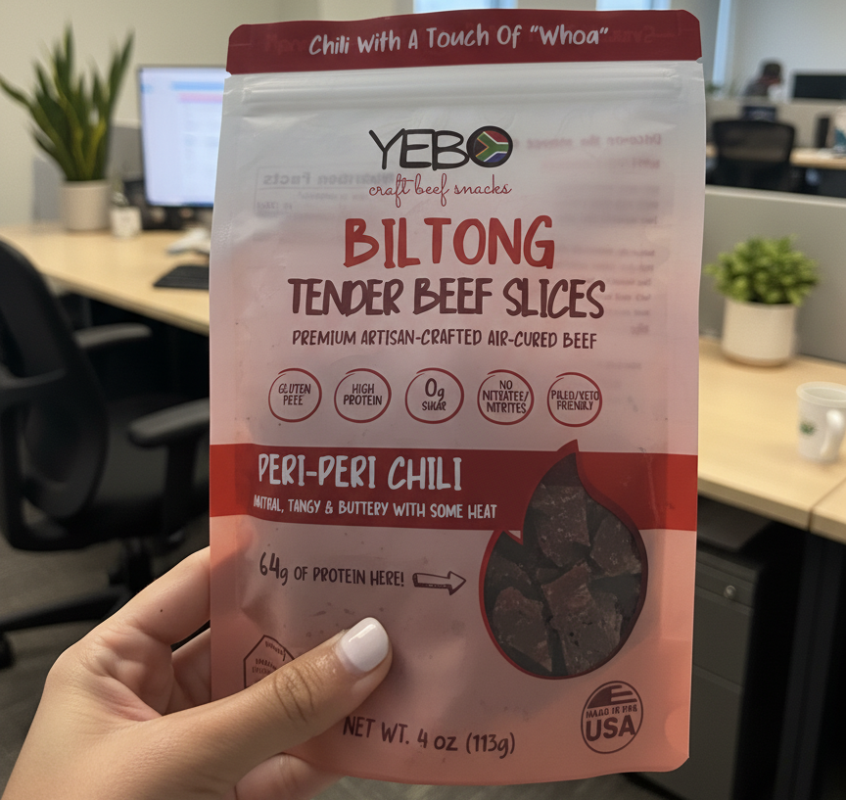
Incorporating Protein Snacks can significantly enhance your energy levels throughout the day.
Why Satisfaction Matters More Than Calories
For years, snacking advice focused heavily on calories. Lower calorie snacks were praised, while anything dense or filling was discouraged. This approach missed a crucial point. Satisfaction matters more than calorie count.
When a snack fails to satisfy, it often leads to more eating later. Hunger returns quickly. Cravings intensify. Portions grow. The cycle repeats. A snack that truly satisfies can actually reduce overall intake by preventing this chain reaction.
Protein is one of the most powerful nutrients for satisfaction. It slows digestion, triggers satiety hormones, and helps regulate appetite. When protein is present in sufficient amounts, the body feels nourished rather than teased.
The Role of Protein in Appetite Control
Protein affects appetite in ways that carbohydrates and fats do not. It reduces ghrelin levels, the hormone responsible for hunger, while increasing hormones that signal fullness. This hormonal response is one reason protein-rich snacks feel more calming and grounding.
Instead of feeling driven to eat again shortly after snacking, people who choose protein often feel steady. Hunger fades into the background. Energy remains consistent. That sense of control is not about willpower. It is about physiology.
Why Not All Protein Snacks Are Equal
While protein is essential, not all protein snacks deliver the same experience. Many products marketed as high-protein are heavily processed. Protein bars often contain sugar, syrups, and additives that undermine satiety. Protein shakes can be convenient, but they digest quickly and may not feel as satisfying as solid food.
Some snacks technically contain protein but rely on carbohydrates or fats for most of their calories. These options can still lead to swings in hunger and energy crashes.
Choosing a protein that actually satisfies means looking beyond labels and focusing on how the food makes you feel after you eat it.
Whole Protein vs Engineered Protein
One of the biggest differences among protein snacks is whether the protein comes from whole-food sources or engineered ingredients. Whole protein sources are foods that are naturally high in protein without heavy processing. Engineered protein snacks often rely on powders, isolates, or additives to boost protein content.
Whole protein tends to digest more slowly and create greater satiety. It also provides additional nutrients that support digestion and overall health. When the body recognizes food as real, it responds more effectively.
This is why snacks made from whole protein sources often feel more grounding and complete.
How Texture and Chewing Affect Satisfaction
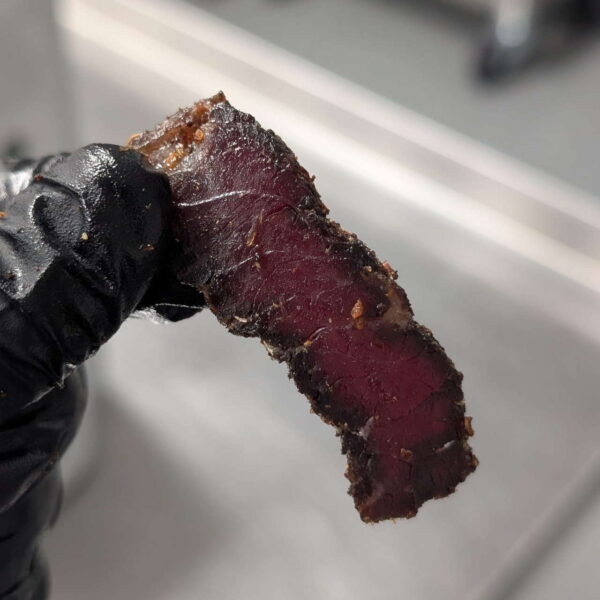
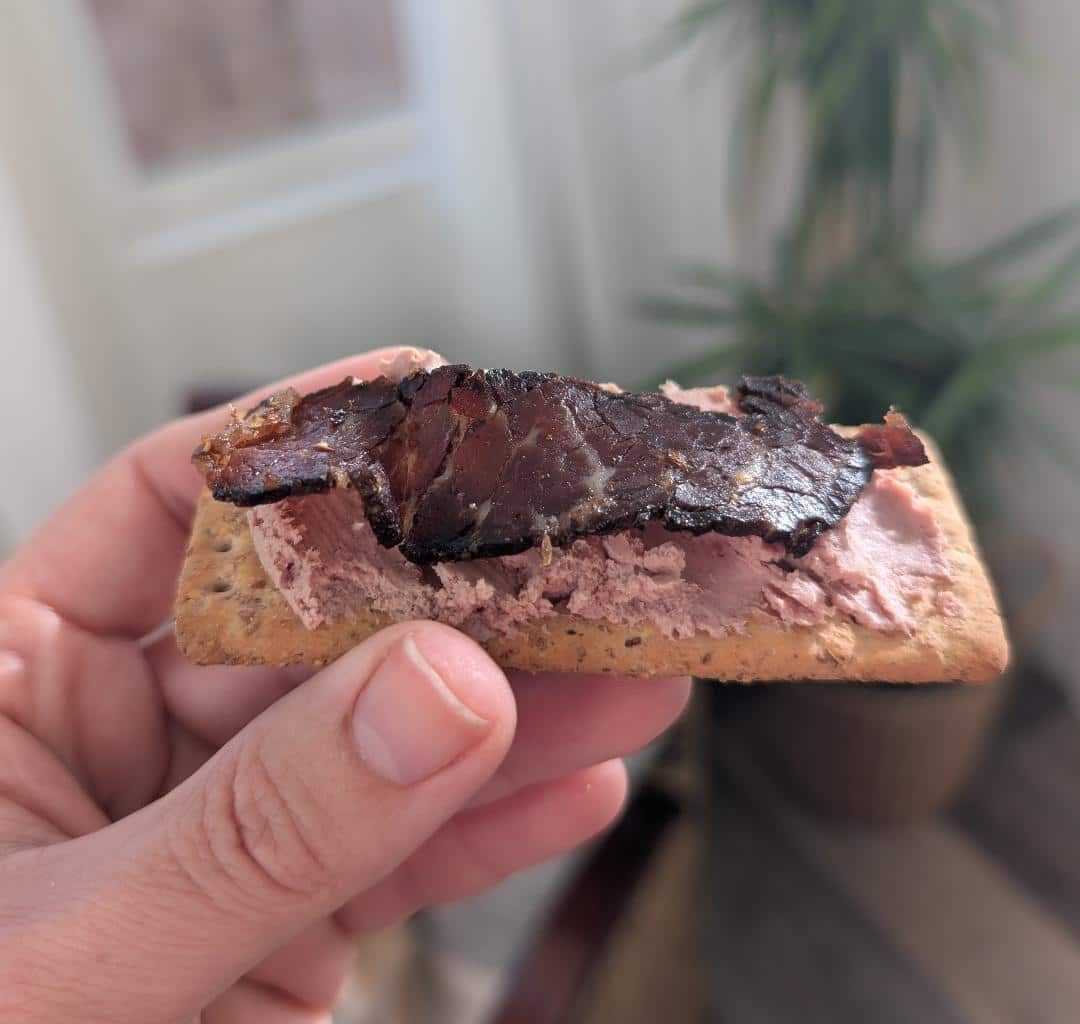
High-protein snacks, such as biltong slices, benefit our bodies.
Texture plays a surprisingly important role in satisfaction. Snacks that require chewing signal fullness more effectively than liquids or soft foods. Chewing slows eating, increases sensory engagement, and gives the brain time to register satiety.
Solid protein snacks that have substance tend to satisfy more deeply than drinks or bars that can be consumed quickly. This sensory aspect is often overlooked, but it makes a significant difference in how full you feel.
The Connection Between Protein and Energy Stability
Energy crashes are one of the most common complaints associated with snacking. Many snacks provide a quick burst of energy followed by a sharp drop. This pattern is often caused by refined carbohydrates and sugar.
Protein helps stabilize blood sugar by slowing glucose absorption. This creates a smoother energy curve rather than peaks and valleys. When protein is part of your snack, energy feels steady rather than jittery or draining.
Why Afternoon Slumps Are Often a Protein Problem
The mid-afternoon slump is not always about sleep or caffeine. It is often a result of poor fueling earlier in the day. Lunches low in protein, followed by carbohydrate-heavy snacks, can set the stage for fatigue.
Introducing protein into afternoon snacks can dramatically change this pattern. Instead of reaching for something sweet to push through, a protein-rich option can restore focus and prevent the crash altogether.
Emotional Satisfaction and Snacking
Food is not just fuel. It is comfort, pleasure, and experience. Intentional snacking does not ignore this emotional component. In fact, it embraces it. Snacks that taste good and feel indulgent are more satisfying and less likely to lead to overeating.
Protein snacks that lack flavor or enjoyment rarely last in daily routines. People abandon them because they feel deprived. Choosing protein that delivers bold, savory flavor supports both physical and emotional satisfaction.
How Intention Changes the Snacking Mindset
When snacks are chosen intentionally, the relationship with food shifts. Snacking becomes proactive rather than reactive. Instead of waiting until hunger feels urgent, people respond early with nourishment that supports them.
This proactive approach reduces stress around food. There is less guilt, less second-guessing, and fewer impulsive choices. The body learns that hunger will be met with something satisfying, which builds trust over time.
Protein as a Tool for Consistency
Consistency is the foundation of any sustainable wellness habit. Extreme changes rarely last, but small, repeatable actions do. Protein-rich snacks support consistency because they reduce hunger-related decision-making.
When hunger is stable, routines are easier to maintain. Workouts feel more supported. Focus lasts longer. Even mood regulation improves. These benefits reinforce the habit naturally.
Why Convenience Matters
Intentional snacking does not work if it is inconvenient. Snacks that require preparation, refrigeration, or planning often get skipped. When hunger hits, people choose what is available.
Protein snacks that are portable, shelf-stable, and ready-to-eat remove friction. They make intentional choices possible even on busy days.
Protein and Modern Lifestyles
Modern life is fast, unpredictable, and mobile. Snacking often happens away from the kitchen. Cars, offices, gyms, airports, and backpacks become eating environments.
Protein snacks that fit into these settings without effort are more likely to be used consistently. When protein moves with you, intention becomes practical.
Supporting Active Lifestyles
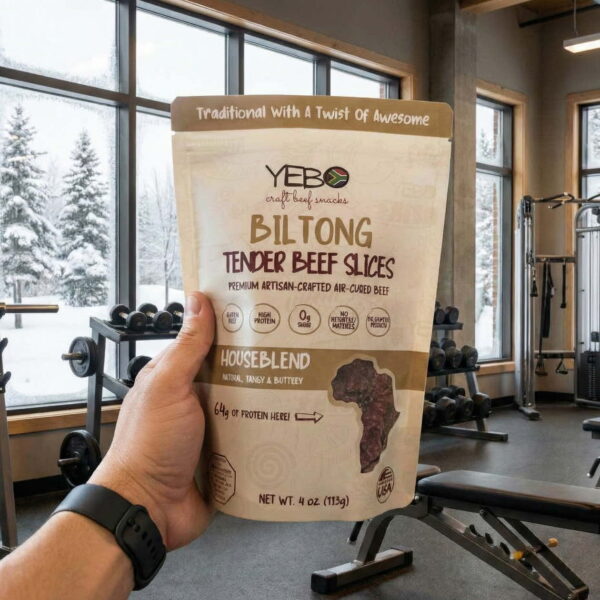
For people who move regularly, protein plays an important role in recovery and muscle support. Snacks before or after activity can help maintain strength and reduce soreness.
Protein snacks that are easy to digest and satisfying without heaviness work best in these moments. They support movement rather than interfere with it.
Relearning Hunger and Fullness Cues
Intentional snacking helps rebuild awareness of hunger and fullness. When snacks satisfy deeply, it becomes easier to stop eating when full. This supports intuitive eating patterns without strict rules.
Protein accelerates this process by promoting satiety. Over time, people learn to trust that a smaller portion of the right food is enough.
The Long Term Impact of Choosing Satisfying Protein
Choosing a protein that actually satisfies has cumulative effects. Energy improves. Cravings diminish. Focus sharpens. Stress around food decreases.
These changes do not happen overnight, but they build steadily. Each intentional snack reinforces the next. Over weeks and months, the habit becomes automatic.
Why Flavor Is Non-Negotiable
Flavor is not a luxury. It is a requirement for sustainability. Snacks that lack flavor are abandoned quickly. Snacks that deliver bold, enjoyable taste become staples.
Protein snacks that offer rich, savory flavor provide satisfaction beyond nutrition. They feel complete, which reduces the desire to keep eating.
Bringing Intention Into Everyday Snacking
Snacking with intention does not require a complete overhaul. It starts with one choice. One snack that satisfies rather than teases. One moment of awareness followed by a better option.
When that choice is repeated, it becomes a habit. When it becomes a habit, it changes how the day feels.
Making Intention Effortless
The easiest way to snack intentionally is to make satisfying protein accessible. Keep it where you need it. In your bag. At your desk. In your pantry.
When protein is within reach, intention does not require discipline. It becomes the default.
A New Relationship With Snacking
Snacking does not have to be something you apologize for. It can be a supportive, nourishing part of daily life. Choosing a protein that actually satisfies transforms snacking from a problem into a solution.
Intentional snacking is not about control. It is about care. Care for your energy. Care for your focus. Care for how you want to feel throughout the day.
Final Thoughts on Snacking with Intention
Choosing protein that satisfies is one of the most effective ways to support modern wellness goals. It aligns with how the body works, how life moves, and how habits form.
When snacks deliver satisfaction, energy, and enjoyment, they stop being obstacles and start being allies. Snacking becomes something you do with purpose rather than guilt.
That is the power of snacking with intention. It is not about eating less. It is about eating better. And when protein is chosen thoughtfully, satisfaction follows naturally.