Blog
Expat Communities Share Their Favorite Ways to Enjoy Authentic South African Snacks

Building Community Through Traditional Flavors: How Expats Connect Over South African Snacks
The smell of coriander and vinegar hits you the moment someone opens a package of authentic biltong at a gathering. For South African expats living thousands of miles from home, that familiar aroma carries more than just flavor – it carries memories, stories, and an immediate connection to others who understand exactly what that taste means.
Living abroad often means navigating a constant tension between embracing your new environment and maintaining ties to where you came from. Food becomes one of the most powerful bridges, and for South Africans scattered across the globe, sharing traditional snacks like biltong creates instant bonds that transcend geographic boundaries.
What makes these connections so special isn’t just nostalgia (though that plays a part). It’s the shared understanding of quality, the appreciation for traditional air-curing methods, and the recognition that not all protein snacks are created equal. When expats gather around authentic South African treats, they’re participating in a cultural exchange that enriches both their own experience and introduces others to flavors they never knew existed.
Creating cultural bridges with authentic biltong sharing
Sarah, a Cape Town native now living in California, describes how authentic biltong became her unexpected conversation starter at office gatherings. “I’d bring some to team meetings, and suddenly everyone wanted to know about this strange, delicious meat that wasn’t jerky,” she explains. The questions always follow the same pattern: What spices are those? How is it made? Where can I get some?
These moments of curiosity create opportunities for deeper cultural exchange. Expats find themselves explaining the difference between commercial jerky and traditional air-cured meats, describing the patience required for proper drying, and sharing stories about childhood memories of watching biltong hanging in kitchens back home.
The beauty lies in how food transcends language barriers and cultural differences. A colleague who’s never heard of South Africa suddenly becomes interested in learning about traditional preservation methods. A neighbor discovers that quality protein doesn’t require artificial additives or excessive processing.
Weekend braai gatherings that bring everyone together
 Weekend braai sessions represent something uniquely South African that expats desperately miss – the combination of outdoor cooking, social connection, and unhurried time spent with others. Marcus, originally from Johannesburg and now in Texas, started hosting monthly braais that have evolved into neighborhood institutions.
“It started with just South African families, but now we have Americans, Mexicans, Germans – everyone brings something, but the traditional droëwors and biltong are always the first things to disappear,” he notes. These gatherings demonstrate how authentic flavors can anchor social events while remaining accessible to newcomers.
The communal aspect extends beyond just eating together. Expats teach their international friends about proper braai techniques, explain why certain cuts work better for air-drying, and share family recipes passed down through generations. Local friends contribute their own traditions, creating fusion experiences that honor multiple cultures simultaneously.
Teaching local friends about traditional air-cured meats
Education becomes a natural part of sharing authentic South African snacks. When expats explain the difference between mass-produced jerky and properly crafted biltong, they’re not just discussing food preparation – they’re introducing concepts of patience, quality, and traditional methods that often surprise their listeners.
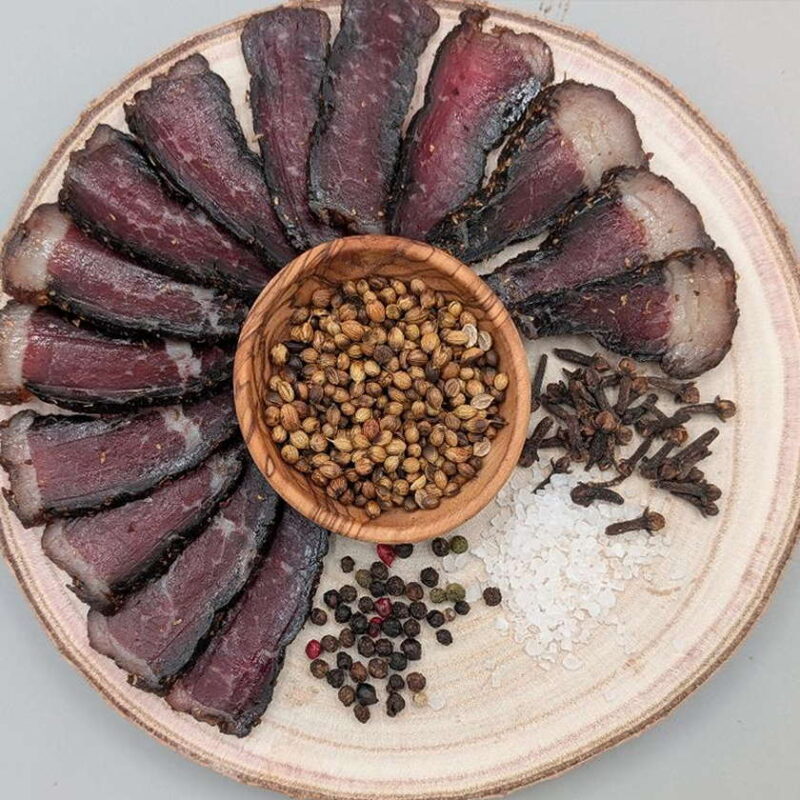
The teaching moments extend to discussions of ingredients. Friends discover that authentic biltong requires only a few ingredients: quality meat, salt, coriander, vinegar, and time. This simplicity contrasts sharply with the long ingredient lists on commercial snack packages, prompting broader conversations about food quality and processing methods.
Many expats report that their local friends become enthusiastic advocates for traditional air-cured meats after trying authentic versions. The superior flavor and clean ingredient profile create converts who then seek out quality sources for their own families.
Finding comfort in familiar tastes far from home
Beyond social connection, authentic South African snacks provide crucial emotional anchoring for expats dealing with homesickness and cultural adjustment. The familiar taste of properly seasoned, air-cured meat offers immediate comfort during challenging moments of adaptation.
This comfort extends to practical benefits as well. Having access to familiar, high-quality protein helps expats maintain dietary habits that worked well for them back home. The natural preservation and superior nutrition of traditional air-cured meats align with health-conscious lifestyles while providing emotional satisfaction that generic alternatives simply cannot match.
The combination of nostalgia, nutrition, and social connection makes authentic South African snacks powerful tools for community building among expat populations worldwide.
Creative Ways Expat Communities Enjoy Classic Biltong and Droëwors
Pairing traditional biltong with local wines and cheeses
Expat communities across California have discovered that South African Beef Biltong creates extraordinary flavor combinations when paired with local wines and artisanal cheeses. The concentrated savory notes of traditional air-cured biltong complement everything from bold Cabernets to crisp Sauvignon Blancs, making it a sophisticated addition to wine tastings.
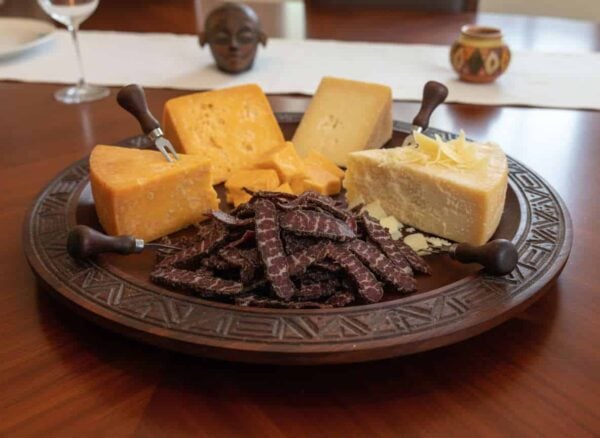
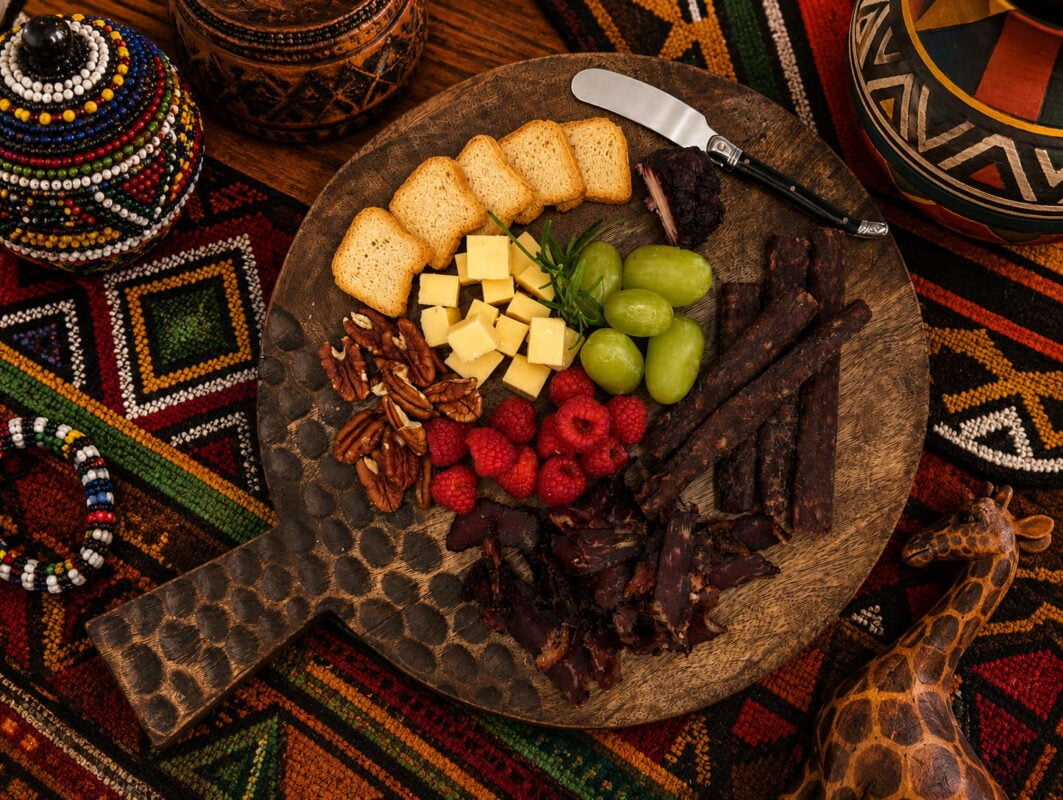
Pairing Biltong with assorted hard cheeses
Local cheese shops in Carlsbad and Escondido regularly see South African expats selecting aged Cheddars, creamy Bries, and tangy goat cheeses to accompany their biltong. The salt-cured meat’s umami depth enhances the complexity of aged cheeses, while its firm texture contrasts with softer varieties. Many expat families have made this pairing their go-to for weekend gatherings, introducing American neighbors to the nuanced flavors of authentic air-cured snacks.
Wine enthusiasts particularly appreciate how biltong’s natural spicing (coriander, black pepper, and vinegar) brings out subtle notes in both reds and whites. The traditional curing process creates flavor compounds that pair beautifully with California’s diverse wine regions, from coastal Pinot Noirs to inland Zinfandels.
Incorporating droëwors into international fusion dishes
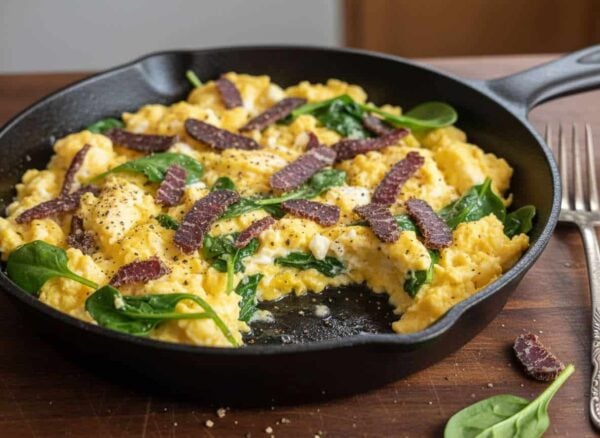
Scrambled eggs with spinach and biltong
Creative South African expats have found innovative ways to incorporate droëwors into popular international cuisines, creating fusion dishes that honor both their heritage and their new home’s culinary landscape. Italian-inspired pasta dishes featuring sliced droëwors have become particularly popular, with the cured sausage adding protein and complex flavor to simple aglio e olio preparations.
Asian fusion represents another exciting frontier, where expats slice droëwors for stir-fries and fried rice. The natural smokiness complements soy-based sauces while the traditional spicing adds depth without overwhelming delicate vegetables. Understanding the differences between droëwors and boerewors helps home cooks select the right texture and flavor profile for their fusion experiments.
Mexican-inspired dishes have proven equally successful, with droëwors finding its way into breakfast burritos, quesadillas, and even homemade pizza toppings. The air-dried sausage’s concentrated flavors mean a little goes a long way, making it an economical protein addition that transforms ordinary dishes into memorable meals.
Making biltong boards for multicultural dinner parties
The charcuterie board trend has embraced South African traditions, with expat communities creating stunning biltong boards that showcase the artistry of traditional air-curing methods. These boards serve as conversation starters, allowing hosts to share stories about South African food culture while guests discover new flavors and textures.
Successful biltong boards balance different cuts and flavors, typically featuring both lean silverside biltong and fattier cuts to add variety in texture. Expat hosts often include traditional accompaniments like beskuit (rusks) alongside modern additions such as dried fruits, nuts, and local honey. The visual appeal comes from arranging different biltong textures and colors alongside complementary items that enhance rather than compete with the meat’s natural flavors.
Many creative biltong boards incorporate educational elements, with small cards explaining the traditional curing process or the significance of specific spice blends. This approach transforms snacking into cultural exchange, helping American guests appreciate the craftsmanship behind authentic air-cured products.
Quick protein-packed snacks for busy expat lifestyles
For expat professionals juggling demanding work schedules in competitive California markets, biltong provides the perfect portable protein solution. Unlike processed snack bars or jerky, traditional biltong requires no refrigeration and maintains its nutritional integrity throughout long workdays.
Tech workers in the region particularly appreciate biltong’s sustained energy release, which helps maintain focus during extended coding sessions or important meetings. The natural amino acid profile supports cognitive function, while the satisfying texture helps curb afternoon hunger without the sugar crashes associated with conventional office snacks.
Fitness-conscious expats have incorporated biltong into their pre and post-workout routines, with gym bags regularly stocked with individually portioned servings. The clean ingredient list appeals to those following specific dietary protocols, while the authentic flavors provide a taste of home that processed alternatives simply cannot match. Busy parents also rely on biltong for school lunchboxes and after-school snacks, knowing they’re providing their children with wholesome nutrition that connects them to their South African heritage.
Sourcing Authentic Ingredients: Where Expats Find Quality South African Snacks
Building networks with trusted suppliers overseas
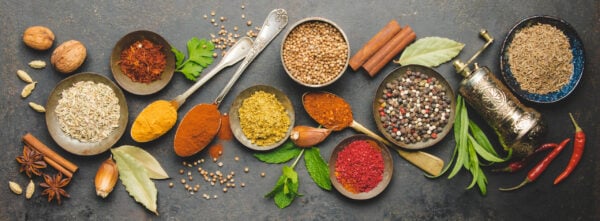 Finding reliable suppliers in South Africa becomes a lifeline for expat communities craving authentic flavors. Many expats start by connecting with family members still living in South Africa who can verify the quality of local producers before shipping orders internationally. This personal network approach ensures you’re getting genuine products rather than imitation versions.
Social media groups dedicated to South African expats often share supplier recommendations, with members vouching for specific farms or family-run businesses that maintain traditional air-curing methods. These communities typically develop relationships with 2-3 trusted suppliers who understand international shipping requirements and can maintain product quality during transit.
The key lies in establishing direct communication with producers. Legitimate South African suppliers will happily discuss their curing processes, ingredient sourcing, and can provide certifications for international shipping. When building these relationships, ask about their drying facilities, whether they use traditional methods, and how they ensure consistent quality across batches.
Online ordering tips for maintaining freshness during shipping
Successful shipping of South African beef requires careful timing and proper packaging methods.
Quality suppliers use double-sealed bags with moisture absorption packets, but verify these details before ordering. Shipping times typically range from 7-14 days, so coordinate with suppliers who can guarantee freshness throughout this period.
Express shipping costs more but significantly reduces the risk of quality degradation. Many expat communities negotiate with suppliers for consolidated shipping, where multiple orders travel together in temperature-controlled containers. This approach balances cost with quality preservation, especially for larger orders or community bulk purchases.
Track your shipments closely and arrange for immediate refrigeration upon arrival. Even properly shipped biltong benefits from cool storage after international transit, particularly if packaging shows any signs of moisture or temperature stress during the journey.
Local specialty stores that carry genuine products
South African specialty stores have emerged in major cities with significant expat populations, particularly in areas like Carlsbad and Escondido where diverse international communities thrive. These stores often import products directly from trusted South African producers and maintain proper storage conditions that preserve authentic flavors.
Look for stores that display their import certifications and can provide details about their supply chain. Genuine specialty stores will stock multiple varieties of biltong, beyond beef,, and other traditional South African snacks. They should also maintain proper humidity control and rotate stock regularly.
Many local stores develop relationships with expat communities, offering special orders for hard-to-find items or seasonal favorites. Store owners with South African connections often provide the most reliable products, as they understand the importance of maintaining traditional preparation methods and authentic taste profiles.
Building relationships with local specialty store owners pays dividends over time. They often notify regular customers about new shipments, special promotions, or limited-edition products from specific South African regions.
Community bulk buying to reduce costs and share favorites
Organized bulk purchasing through expat communities dramatically reduces individual costs while ensuring that everyone can access high-quality products. Groups typically coordinate quarterly orders, allowing members to try different varieties without committing to large individual purchases.
Community coordinators often negotiate better pricing with suppliers for larger orders, sometimes achieving 20-30% savings compared to individual purchases. These savings become particularly significant when factoring in international shipping costs, which remain relatively fixed regardless of order size within reasonable limits.
Bulk buying also creates opportunities for sharing and discovering new favorites. Members can split larger packages of different biltong varieties, allowing everyone to sample products they might not have tried individually. This approach works especially well for how to gift occasions or when introducing newcomers to authentic South African flavors.
Successful bulk buying groups establish clear payment systems, delivery coordination, and quality standards. Most groups designate rotating coordinators who handle supplier communication, payment collection, and distribution logistics, ensuring fair participation and consistent access to authentic products.
Recreating Home: Expat Recipes and Cooking Techniques
Homemade biltong preparation in different climates
Making traditional South African beef outside the homeland presents unique challenges. Expat communities have developed ingenious solutions for achieving proper air-curing in humid coastal areas like San Diego or dry desert regions around Phoenix.
Sarah from Cape Town, now living in Florida, learned that humidity control is everything. “I invested in a small dehumidifier for my biltong box,” she explains. “The trick is maintaining that 60-65% humidity level that mimics the Karoo climate.” Her setup includes computer fans for airflow and a simple humidity monitor.
In contrast, Johan in Arizona faces the opposite problem. Desert climates can dry meat too quickly, creating tough exterior layers while leaving the interior undercooked. He places shallow water dishes in his drying chamber and monitors the temperature religiously. “Slow and steady wins the race,” he says. “Rush the process, and you’ll get leather, not biltong.”
Temperature becomes critical when you can’t rely on consistent weather patterns. Many expats build simple wooden boxes with light bulbs for gentle heat (never exceeding 25°C). The key lies in patience and understanding that traditional air-curing methods require adaptation, not abandonment.
Adapting traditional recipes with locally available ingredients
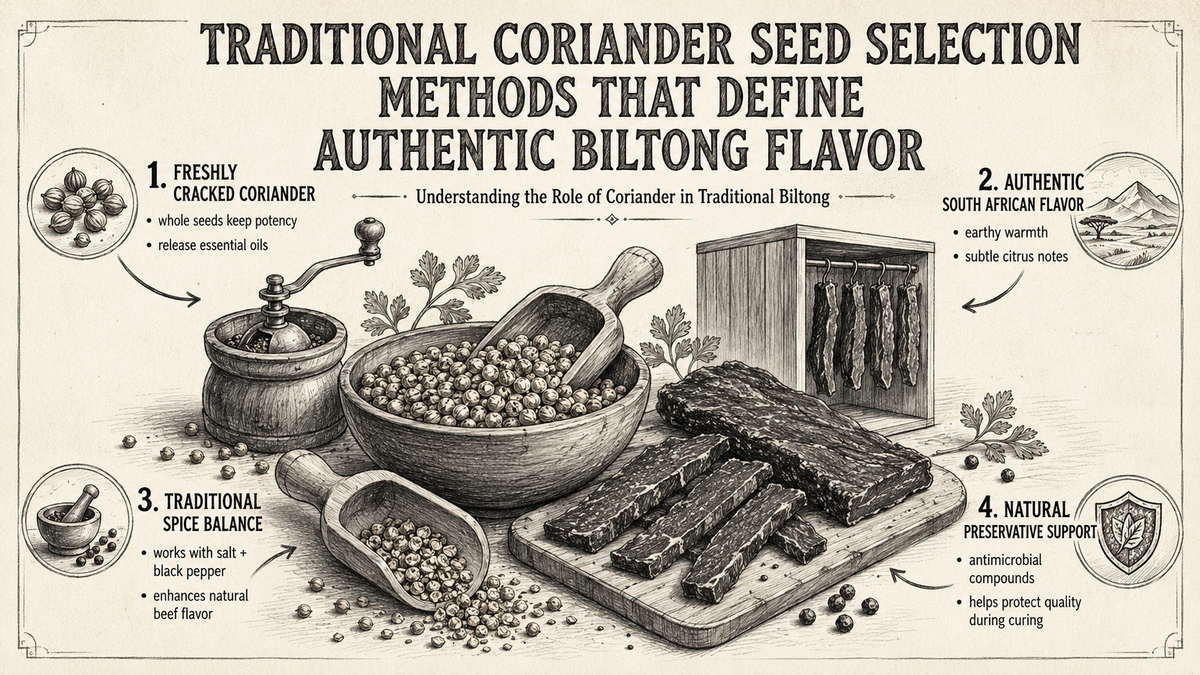
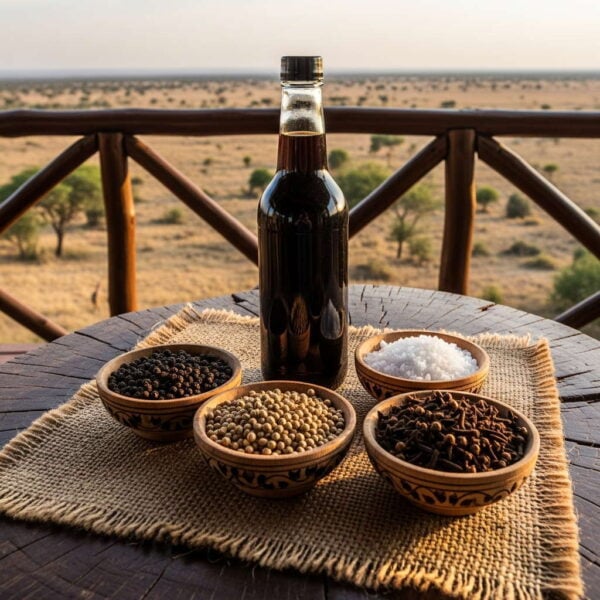 Finding authentic South African spices proves challenging, but expat communities have mastered creative substitutions without compromising flavor integrity. The essential coriander seeds remain non-negotiable, but sourcing quality whole coriander often means visiting specialty spice shops or ordering online.
Maria from Johannesburg, now in California, discovered that Mexican markets carry excellent whole coriander at reasonable prices. “The quality matches what we used back home,” she notes. For brown vinegar, many expats substitute apple cider vinegar mixed with a touch of malt vinegar to achieve similar acidity levels.
Salt selection matters more than most realize. Table salt contains anti-caking agents that affect the curing process. Expats typically seek coarse sea salt or kosher salt, which provides proper mineral content for effective moisture extraction. Some even import Cerebos salt for authenticity.
Worcester sauce substitutions work surprisingly well. While Lea & Perrins differs slightly from South African varieties, mixing it with a small amount of soy sauce creates comparable umami depth. The goal remains achieving that distinctive tangy-salty balance that defines proper biltong seasoning.
Teaching children to appreciate their heritage through food
Second-generation South Africans often struggle with cultural identity, but food provides a tangible connection to their roots. Parents use biltong-making as an interactive form of cultural education, teaching children about traditional air-curing methods while sharing family stories.
Pieter, raising two children in Texas, involves them in every step. “They learn about patience, about how our ancestors preserved meat without refrigeration,” he explains. His kids now prefer homemade biltong over commercial jerky, understanding the difference between quick processing and traditional methods.
Many families create “biltong days” as monthly traditions. Children help select meat cuts, measure spices, and check drying progress. These sessions become storytelling opportunities where parents share memories of braais, rugby matches, and family gatherings back home.
Schools in expat-heavy areas sometimes invite families to share cultural foods. Parents bring properly prepared biltong for cultural exchange events, explaining the traditional preparation methods that distinguish it from American jerky. These experiences help children feel proud of their heritage while educating classmates about South African culture.
Preserving family recipes and passing down techniques
Written recipes capture ingredients, but traditional techniques require hands-on learning. Expat families prioritize preserving the tactile knowledge that separates exceptional biltong from acceptable attempts. This includes understanding meat texture, recognizing proper drying stages, and developing an instinct for timing.
Grandmothers visiting from South Africa often become temporary biltong masters, spending weeks teaching proper cutting techniques and seasoning ratios. These intensive sessions create lasting memories while ensuring authentic methods survive generational transfer.
Video documentation has become popular among tech-savvy families. They record seasoning processes, cutting demonstrations, and testing procedures for future reference. Some create family cooking channels specifically for preserving traditional recipes.
Community workshops strengthen collective knowledge. Experienced expat families teach newcomers proper techniques and share hard-won insights on climate adaptation and ingredient sourcing. These gatherings often feature tastings where families compare different preparation styles.
Recipe cards include not just measurements but also crucial details like meat selection, grain cutting direction, and environmental considerations. The most valuable family recipes contain troubleshooting notes accumulated across decades of international biltong-making experience.
Special Occasions and Celebrations: Making Memories with Traditional Snacks
Heritage Day celebrations in expat communities
Heritage Day transforms expat communities into vibrant celebrations of South African culture, where traditional snacks take center stage. In Carlsbad and throughout Southern California, South African expat groups organize annual Heritage Day gatherings centered on sharing authentic foods from home.
The centerpiece of these celebrations is always the South African beef table, where families contribute their favorite varieties and preparation methods. Children who have never lived in South Africa discover the rich, complex flavors their parents grew up with, while adults reconnect with childhood memories through each savory bite.
These community events often feature biltong-making demonstrations, where experienced expats teach newcomers the traditional air-curing methods passed down through generations. The communal aspect of sharing knowledge about proper seasoning, optimal drying conditions, and selecting the right cuts creates bonds that extend far beyond the single-day celebration.
Many Heritage Day organizers report that authentic biltong becomes the most requested item for future gatherings. The natural preservation qualities mean families can prepare larger batches to share, while the protein-rich content keeps both children and adults satisfied throughout the day-long festivities.
Rugby match viewing parties with authentic snacks
Rugby viewing parties among South African expats have elevated the traditional sports gathering into a cultural experience centered on authentic snacks. When the Springboks play, homes across Escondido and Carlsbad become gathering points where traditional air-cured meats create the perfect match-day atmosphere.
The ritual begins hours before kickoff, with hosts preparing biltong platters showcasing diverse flavor profiles and textures. Guests often bring their own specialty preparations, turning each gathering into an informal tasting session where techniques and family recipes get shared over cold drinks and pre-match analysis.
What makes these parties special is how what is biltong? becomes a conversation starter for non-South African friends who join the festivities. The authentic snacks serve as cultural ambassadors, introducing newcomers to the rich traditions behind each carefully prepared piece.
Many hosts report that their rugby parties have become monthly traditions, with regular attendees specifically requesting their favorite biltong varieties. The natural shelf life means hosts can prepare generous portions without worry, while the high protein content provides sustained energy during those intense 80-minute matches.
Holiday gift exchanges featuring favorite South African treats
Holiday gift exchanges within expat communities have transformed traditional present-giving into celebrations of South African heritage through carefully curated snack selections. Families create thoughtful gift packages featuring premium biltong varieties, often including handwritten notes explaining the significance of each type.
These exchanges typically occur during December gatherings, where authentic biltong becomes both a gift and a conversation piece. Recipients appreciate the personal touch of receiving varieties they might not normally purchase for themselves, while givers take pride in sharing their knowledge of traditional preparation methods.
Children in these communities have developed their own traditions around South African snack gifts, often creating wish lists that include specific biltong flavors alongside conventional toys. Parents report that their kids now associate holidays with both Christmas cookies and traditional air-cured meats from their cultural heritage.
The practical aspect of giving biltong as gifts appeals to busy expat families. Natural preservation means recipients can enjoy their gifts for extended periods, while the variety of shops available allows gift-givers to create personalized selections based on individual preferences and dietary needs.
Wedding and celebration catering with traditional flavors
Wedding celebrations within South African expat communities increasingly feature traditional snacks as essential elements of their special day menus. Couples find that including authentic biltong in their catering honors their heritage while introducing guests to meaningful cultural traditions.
These celebrations often include biltong stations where guests can sample different varieties while learning about the traditional air-curing process that creates such distinctive flavors. The interactive element adds cultural education to the festivities, creating memorable experiences that extend beyond typical wedding food service.
Many couples report that their non-South African guests remember the biltong long after the celebration ends, often reaching out for recommendations about where to find similar places to enjoy in their own communities. This cultural sharing creates lasting connections and introduces authentic South African flavors to broader social circles.
Professional caterers serving expat weddings have noticed an increase in requests for traditional South African elements, with biltong consistently ranking as the most popular authentic addition to celebration menus.
Health-Conscious Snacking: Why Expats Choose Traditional Air-Cured Options
Nutritional benefits of high-protein, low-carb snacks
Expat communities worldwide have discovered what health-conscious snackers already know: traditional air-cured meats deliver exceptional nutritional value without compromise. South African Beef Biltong contains approximately 50-55% protein by weight, making it one of the most protein-dense snacks available. This translates to about 16 grams of complete protein per ounce, rivaling even the most expensive protein supplements.
The carb content tells an equally compelling story. Unlike jerky or other processed snacks that often contain added sugars, authentic biltong typically contains less than 2 grams of carbohydrates per serving. Sarah from Melbourne explains her choice: “After moving from Johannesburg, I struggled to find snacks that fit my keto lifestyle. Traditional biltong became my go-to because it delivers pure protein without hidden carbs or artificial additives.”
The amino acid profile deserves special attention. Air-cured beef preserves all nine essential amino acids your body can’t produce on its own. This complete protein source supports muscle maintenance, immune function, and metabolic health in ways that plant-based alternatives simply can’t match.
Clean eating approaches with minimally processed foods
Traditional air-curing methods align perfectly with clean eating principles that many expats embrace when relocating. The ingredient list reads like a recipe from your grandmother’s kitchen: beef, salt, coriander, vinegar, and perhaps a touch of black pepper. Compare this to commercial jerky products containing sodium nitrites, corn syrup, artificial flavors, and preservatives with unpronounceable names.
The natural preservation process relies on controlled dehydration rather than chemical additives. This gentle approach maintains the meat’s nutritional integrity while creating a shelf-stable product that travels well. Mark, a South African engineer working in Dubai, appreciates this simplicity: “I can read every ingredient on authentic biltong packaging and understand exactly what I’m eating.”
Processing temperatures remain low throughout traditional air-curing, typically staying below 70°F (20°C). This preserves heat-sensitive vitamins and minerals that would otherwise be destroyed in high-temperature processing methods. The result is a snack that maintains its natural nutritional profile while developing complex, satisfying flavors.
Active lifestyle fuel for hiking and outdoor adventures
Expat communities often embrace outdoor activities as ways to explore their new environments and stay connected with nature. Biltong’s portability and energy density make it ideal fuel for these adventures. The protein-to-weight ratio means backpackers can carry substantial nutrition without excess bulk.
The sustained energy release proves particularly valuable during extended activities. Unlike sugary snacks that spike and crash blood sugar levels, protein provides steady fuel that keeps energy levels stable for hours. Lisa, who moved from Cape Town to Vancouver, discovered this firsthand: “During weekend hikes in the Rockies, biltong keeps me satisfied and energized without the sugar crashes I experienced with trail mix.”
Salt content naturally replaces electrolytes lost through perspiration, making biltong especially valuable for warm-weather activities or intense workouts. The combination of protein and natural sodium supports muscle function and helps prevent cramping during prolonged physical activity.
Satisfying hunger without compromising dietary goals
Perhaps most importantly, traditional air-cured snacks deliver genuine satiety that helps expats maintain their health goals despite busy, often stressful relocation periods. The high protein content triggers satiety hormones that signal fullness more effectively than carbohydrate-based alternatives.
This satisfaction factor extends beyond immediate hunger relief. Research consistently shows that protein-rich snacks help regulate appetite throughout the day, reducing overall caloric intake and supporting weight management goals. Many expats report that a small portion of authentic biltong satisfies cravings that might otherwise lead to less healthy choices.
The chewy texture also contributes to satisfaction by slowing consumption and enhancing the eating experience. Unlike processed snacks that disappear in moments, biltong requires mindful eating that helps prevent overconsumption.
For health-conscious expats navigating new food environments while maintaining their wellness priorities, authentic biltong represents more than just a snack. It’s a reliable source of clean nutrition that travels well, satisfies deeply, and connects them to traditional food wisdom that has sustained active communities for generations. Whether you’re exploring California’s coastal trails or simply seeking better snack options for your daily routine, traditional air-cured options deliver the nutritional foundation your active lifestyle deserves.