Blog
Teaching Kids About South African Food Heritage Through Traditional Biltong Making

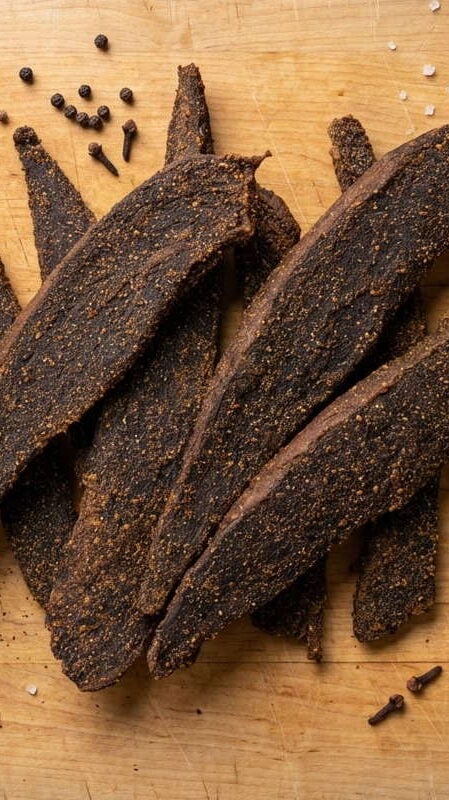
Why Biltong Making is the Perfect Cultural Learning Experience
Picture this: your eight-year-old asks where their favorite snack comes from, and suddenly you’re transported into a rich conversation about South African heritage, traditional preservation methods, and family stories passed down through generations. That’s the magic of teaching kids how to make biltong.
Traditional biltong making offers something special that modern cooking often misses. It creates space for storytelling, patience, and genuine cultural connection. When children participate in this ancient air-curing process, they’re not just learning to make food—they’re discovering their roots.
Connecting Kids to Their South African Roots
Every family has food stories, but South African beef carries particularly deep cultural significance. For South African families living in places like Carlsbad or Escondido, sharing biltong-making becomes a bridge between heritage and a new home.
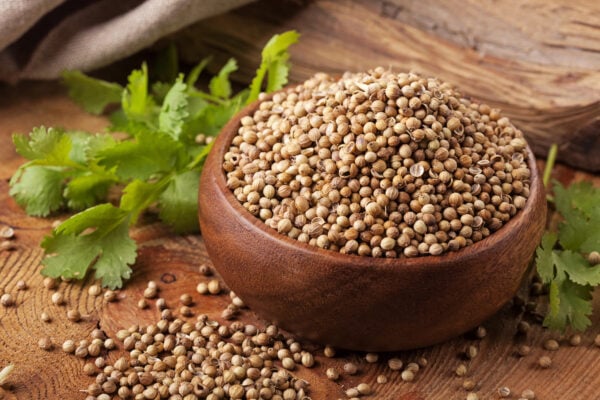
Wooden bowl filled with coriander seeds and fresh green leaves on a rustic wooden table.
Children learn best through hands-on experience. When they measure coriander seeds or feel the texture of silverside beef, they’re engaging with traditions that stretch back centuries. The process naturally opens conversations about why their ancestors developed this preservation method, how the African climate influenced the technique, and what daily life looked like before modern refrigeration.
These aren’t abstract history lessons. They’re tangible connections to identity. A child who understands why their great-grandmother dried meat in the Cape wind gains perspective on resourcefulness, survival, and cultural ingenuity. They start seeing themselves as part of something bigger than their immediate experience.
The beauty lies in the questions that emerge: Why did people need to preserve meat this way? How did families survive long journeys? What spices grow in South Africa? Each question becomes an opportunity to explore geography, history, and family stories that might otherwise remain untold.
The Educational Value of Traditional Food Preservation
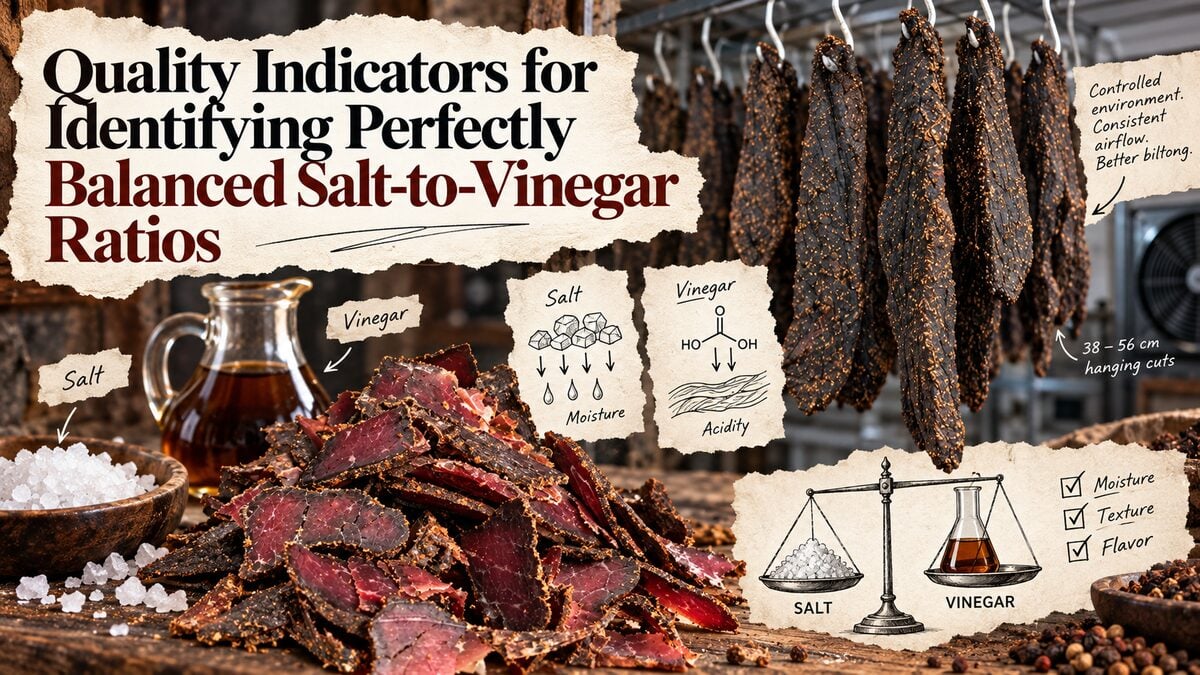
Biltong making transforms your kitchen into a science laboratory. Kids observe how salt draws moisture from meat, creating an environment where harmful bacteria cannot survive. They watch the natural dehydration process unfold over days, seeing firsthand how traditional air-curing methods work.
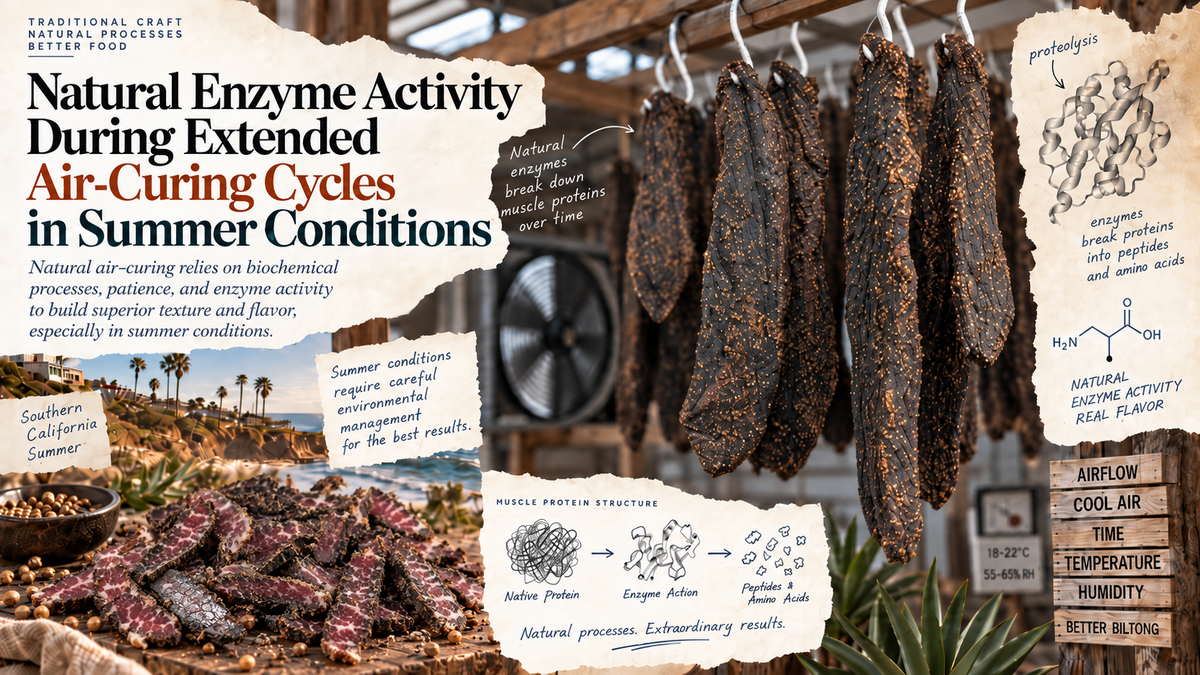
This isn’t just food science—it’s practical chemistry, biology, and physics rolled into one engaging project. Children learn about protein structure, moisture content, enzyme activity, and microbiology concepts that typically seem abstract in textbooks. When they understand why vinegar matters in the curing process or how air circulation prevents spoilage, they’re grasping scientific principles through direct observation.
Math naturally enters the equation, too. Measuring spice ratios, calculating drying times, and understanding the relationship between meat thickness and curing duration all provide practical applications for mathematical concepts. A ten-year-old calculating how much coriander to use for two pounds of meat is applying fractions in a meaningful context.
The patience required teaches delayed gratification—something increasingly valuable in our instant-everything culture. Children learn that quality food takes time, that rushing processes lead to inferior results, and that some of life’s best experiences require waiting.
Building Family Bonds Through Heritage Cooking
Traditional biltong making creates natural opportunities for multi-generational bonding. Grandparents become the experts, sharing techniques passed down from their own childhoods. Parents learn alongside children, creating shared discovery experiences that strengthen family connections.
The slow nature of the process encourages conversation. While waiting for meat to cure, families find themselves sharing stories, memories, and dreams. These aren’t forced discussions—they emerge naturally from the shared activity and anticipation of the final product.
Children gain appreciation for their heritage through active participation rather than passive listening. They become part of the tradition rather than just hearing about it. When they successfully create their first batch of biltong, they’ve earned their place in a cultural practice that spans generations.
Food becomes a language of love and identity. Years later, adult children will remember not just the taste of homemade biltong, but the experience of making it with family—the measuring, the waiting, the storytelling, and the pride in creating something authentic together.
Age-Appropriate Ways to Involve Children in the Process
Younger children (ages 4-7) excel at simple tasks: measuring spices, mixing marinades, and observing changes throughout the curing process. Their natural curiosity makes them excellent observers of the transformation happening before their eyes.
School-age kids (8-12) can handle more complex responsibilities: preparing the meat, understanding timing sequences, and learning about quality indicators. They can also explore creative serving ideas once the biltong is ready.
Teenagers appreciate the science behind the process and can take ownership of entire batches. They understand food safety principles and can experiment with spice variations while respecting traditional methods. For families with young children, making biltong together creates lasting memories while introducing nutritious snacking options that kids genuinely enjoy.
The key lies in matching responsibilities to developmental stages while maintaining safety and respect for the traditional process throughout the learning experience.
Understanding the Rich History Behind South African Biltong
From Voortrekkers to Modern Tables: The Biltong Journey
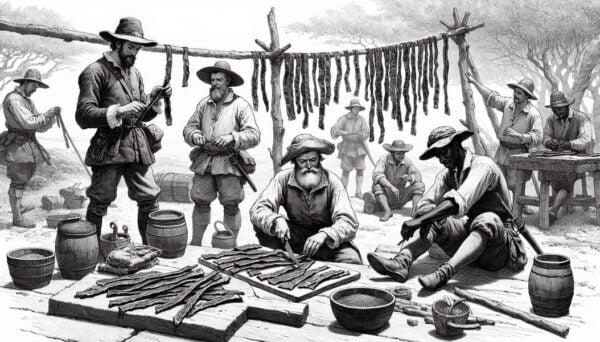 The story of biltong begins with the Voortrekkers, Dutch settlers who embarked on the Great Trek in the 1830s. These pioneering families needed portable, long-lasting protein for their ox-wagon journeys across the African interior. They discovered that the indigenous Khoikhoi people had perfected a method of preserving meat by cutting it into strips and hanging it to dry in the African wind.
What started as survival food quickly became a cornerstone of South African culture. The Voortrekkers adapted these traditional air-curing methods, adding their own European spices like coriander and creating the distinctive vinegar wash that helps preserve the meat. This wasn’t just about feeding families during long migrations – it was about creating a food tradition that would connect generations.
Today’s families can trace this same journey as they make South African beef at home with their children. Each strip of meat tells the story of resourceful pioneers who transformed necessity into culinary art. Kids love learning that their ancestors carried this same protein-rich snack in leather pouches, just as modern families pack it for school lunches and hiking trips.
Indigenous Preservation Techniques That Shaped Our Culture
Before European settlers arrived, indigenous African communities had mastered the science of natural preservation. The Khoikhoi and San peoples understood that South Africa’s unique climate – with its dry winds and consistent temperatures – created perfect conditions for air-curing meat without artificial preservatives or heat processing.
These communities developed sophisticated techniques that modern biltong makers still follow. They knew which cuts of meat dried best, how to slice against the grain for optimal texture, and the importance of proper air circulation. The traditional method involved creating simple drying structures that allowed meat to hang freely while protecting it from insects and dust.
Teaching children about these indigenous techniques helps them understand that food preservation isn’t just about modern refrigeration. Our ancestors were food scientists who understood enzymes, moisture content, and natural antimicrobial properties long before these concepts had names. When families make biltong together, they’re continuing this ancient tradition of working with nature rather than against it.
How Different Regions Developed Unique Biltong Styles
As biltong-making spread across South Africa, different regions developed their own distinctive approaches. The Western Cape favored lamb and game meats, while the Eastern Cape became known for its beef biltong traditions. Coastal areas incorporated different spice blends influenced by trade routes, while inland regions focused on perfecting the basic salt-and-coriander combination.
The Karoo region became particularly famous for its biltong because the arid climate and constant winds created ideal natural drying conditions. Families in this area passed down specific techniques for achieving the perfect balance of moisture and flavor. Meanwhile, Natal regions experimented with different vinegar solutions and spice ratios, creating craft biltong variations that reflected local tastes and available ingredients.
These regional differences teach children an important lesson about cultural adaptation. The same basic technique produced different results based on local climate, available spices, and family preferences. This helps kids understand that food traditions aren’t rigid rules but living practices that evolve while maintaining their essential character.
Teaching Kids About Resourcefulness and Sustainability
Modern families can use traditional biltong making to teach valuable lessons about resourcefulness and environmental responsibility. Unlike processed snacks that come wrapped in plastic and filled with artificial preservatives, biltong represents a sustainable approach to food that our ancestors practiced naturally.
The traditional air-curing process uses no electricity, no artificial chemicals, and minimal packaging. Children learn that quality protein doesn’t require industrial processing – it simply needs time, proper conditions, and patience. This connects them to a more sustainable way of thinking about food production and consumption.
When families engage in traditional biltong-making, they’re also learning to use whole animals respectfully. The pioneers wasted nothing, turning tough cuts into tender, flavorful snacks through natural processes. This teaches modern children to value food differently and understand the connection between what they eat and where it comes from.
The process also demonstrates delayed gratification. In our instant-everything culture, biltong requires waiting several days for the meat to properly cure. Children learn that the best things often take time and that natural processes can’t be rushed – lessons that extend far beyond the kitchen.
Setting Up Your Family Biltong-Making Adventure
Essential Equipment Every Family Needs
Starting your family’s traditional biltong-making adventure doesn’t require expensive commercial equipment. Most families in Carlsbad already have the basic tools they need in their kitchens. A sharp knife (preferably one with a long, thin blade) lets kids safely participate in cutting under supervision, while a clean cutting board provides your workspace.
You’ll need kitchen string or dental floss for hanging, a large bowl for marinating, and paper towels for patting meat dry. The most important piece of equipment is your drying space. A well-ventilated area like a covered patio or spare room works perfectly. Many Escondido families use their garages with a fan running to improve air circulation.
Consider investing in a simple hygrometer to monitor humidity levels. This teaches children about the science behind preservation while ensuring food safety. Digital thermometers help track temperature changes, turning the process into an educational weather-watching activity.
Choosing the Right Cuts of Meat for Beginners
Success starts with selecting appropriate cuts that forgive beginner mistakes. Eye of round and silverside remain the traditional choices because they’re lean, uniform, and relatively affordable. These cuts also slice easily, making them perfect for teaching children proper knife techniques.
Visit your local butcher and explain your family project. Many are happy to pre-slice meat to your specifications, removing the intimidation factor for first-time makers. Aim for cuts about half an inch thick. Thicker pieces take longer to cure properly, while thinner strips can dry out too quickly.
Start with two to three pounds maximum for your first batch. This amount feels manageable for children while providing enough finished product to celebrate your success. Quality matters more than quantity when you’re learning traditional techniques together as a family.
Creating a Safe Learning Environment for Kids
Food safety becomes your top teaching priority when involving children in meat preparation. Establish clear handwashing stations and make frequent cleaning a game rather than a chore. Children love having their own designated tools and workspace, even if it’s just a corner of the kitchen counter.
Set up separate cutting boards for raw meat and other ingredients. Use different colored boards to help younger children remember which surface serves what purpose. This visual system prevents cross-contamination while teaching lifelong food safety habits.
Create age-appropriate tasks for each child. Younger kids can measure spices, mix marinades, and help hang strips. Older children can assist with cutting under close supervision. Everyone can participate in monitoring the drying process and recording daily observations in a family biltong journal.
Simple Spice Blends Children Can Help Prepare
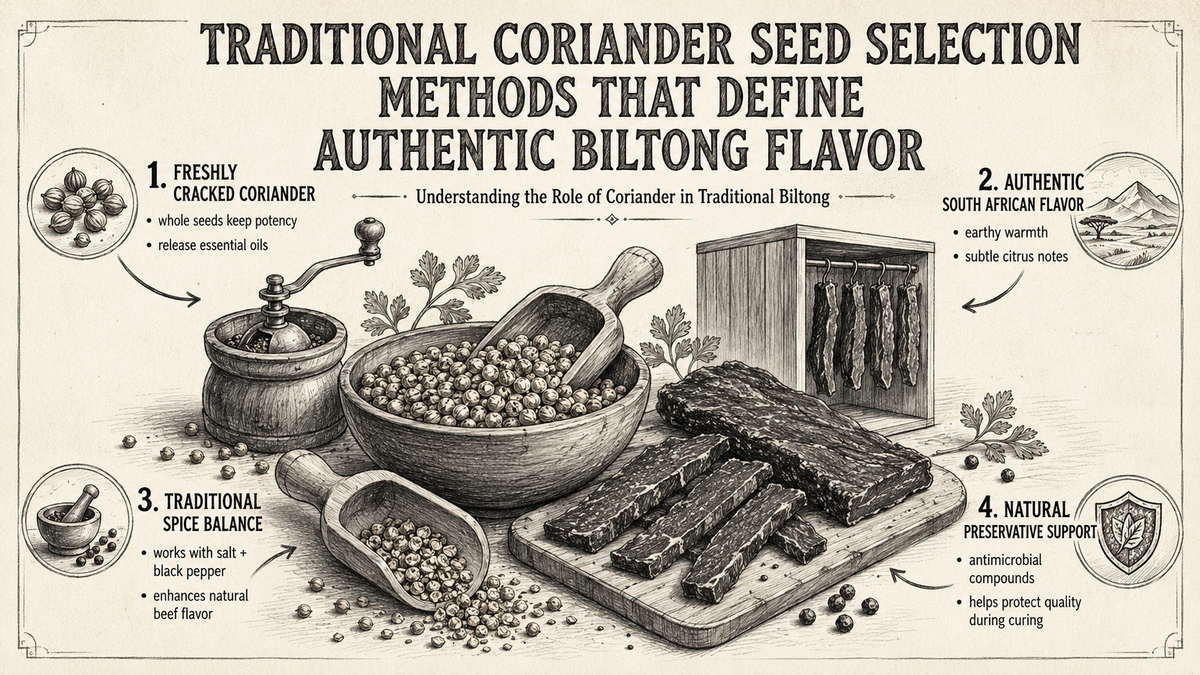
Traditional South African spice combinations offer endless learning opportunities about flavor profiles and cultural history. Start with the classic blend: coarse salt, ground coriander, and black pepper. Children can practice measuring, grinding whole spices, and understanding how each ingredient contributes to the final taste.
Let kids create their own small test batches with slight variations. One child might add extra pepper while another prefers more coriander. This experimentation teaches them about personal preferences and how traditional flavors inspire individual creativity.
Consider preparing spice blends in small jars labeled with each child’s name. They’ll take pride in their personal contribution to the family project. Store extra blends in airtight containers to teach proper spice storage while preparing supplies for future batches.
Understanding the Air-Drying Process Together
The magic of traditional air-curing happens slowly, providing perfect opportunities for daily family check-ins. Children learn patience while observing how moisture gradually leaves the meat through natural dehydration. This process typically takes three to five days, depending on conditions.
Create a simple chart tracking daily changes in texture, color, and aroma. Kids love documenting their observations and comparing notes with family members. This scientific approach helps them understand the preservation principles behind traditional methods.
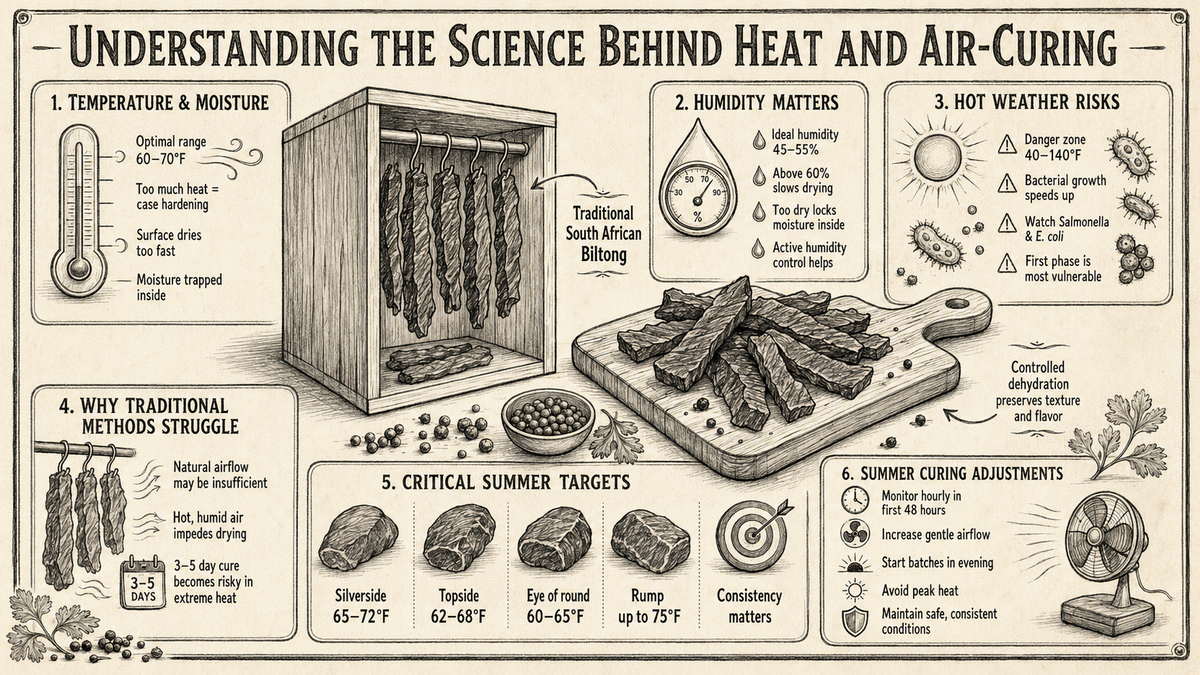
Monitor temperature and humidity together and discuss how these factors affect the curing process. Ideal conditions range between 60-70°F with moderate humidity. When children understand these variables, they’re learning the same principles that South African Beef Biltong makers have used for generations.
Encourage questions about why certain conditions work better than others. This curiosity-driven learning makes the waiting period engaging rather than tedious, building anticipation for that first taste of homemade biltong.
Step-by-Step Traditional Biltong Making with Kids
Preparing the Meat: Teaching Proper Handling and Safety
The foundation of traditional biltong making starts with selecting and preparing quality meat, making this the perfect opportunity to teach kids essential food safety principles. Begin by explaining how South African beef traditionally uses specific cuts like silverside or topside, chosen for their lean muscle structure and minimal fat content.
Start by washing hands together and setting up a clean workspace. Kids love being put in charge of specific tasks, so assign them the role of “safety inspector” – checking that cutting boards are clean, knives are handled properly by adults, and work surfaces are sanitized. This creates ownership while keeping them engaged in the process.
When cutting meat into strips, explain why traditional methods call for cutting with the grain rather than against it. Let older children help measure the thickness (around 2cm) using a ruler, turning this into a practical math lesson. The key is maintaining consistent strips for even drying, which teaches precision and attention to detail.
Safety becomes second nature when kids understand the “why” behind each step. Explain how proper meat handling prevents contamination and why we keep raw meat separate from other ingredients. This knowledge extends far beyond biltong-making to include lifelong kitchen skills.
The Art of Seasoning: Let Kids Explore Flavors
Traditional South African seasoning opens up a world of sensory exploration for children. The classic combination of coarse salt, ground coriander, and vinegar offers kids a chance to understand how each ingredient contributes to the final product.
Set up individual bowls with measured spices, and let each child create their own seasoning blend. Start with the traditional base: coarse salt for preservation, coriander seeds (which they can grind themselves) for that distinctive nutty flavor, and malt vinegar for its acidity, which aids preservation while adding tang.
This becomes a chemistry lesson disguised as fun. Explain how salt draws out moisture from the meat, creating an environment where harmful bacteria cannot survive. Kids can observe this process firsthand as moisture beads form on the seasoned meat surface within minutes.
Encourage experimentation within traditional boundaries. Some families add black pepper, others include a touch of brown sugar. Let kids smell each spice individually, then combined, helping them develop their palate while learning about why biltong – it’s about the careful balance of flavors that create something truly special.
The massage technique for applying seasoning teaches patience and thoroughness. Show kids how to work the spices into every surface of the meat to ensure even coverage. This tactile experience helps them understand the importance of attention to detail in traditional food preparation.
Hanging and Patience: Life Lessons Through Waiting
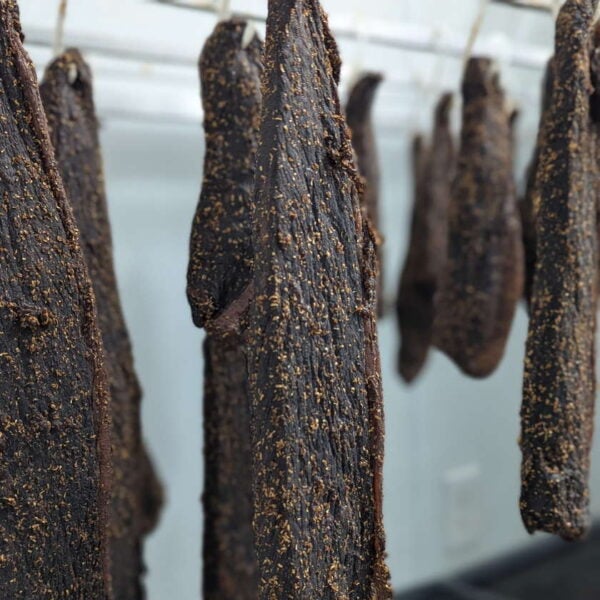 Perhaps the most valuable lesson in traditional biltong making comes during the hanging and drying phase. This process cannot be rushed; it teaches children patience in our instant-gratification world while connecting them to ancestral food preservation methods.
Create a special “biltong station” where kids can help thread strips onto hooks or hang them from wooden dowels. Explain how proper air circulation prevents spoilage, and use this opportunity to discuss airflow, humidity, and temperature control. Kids can help monitor room temperature and humidity levels, turning them into junior food scientists.
The waiting period (typically 3-7 days, depending on thickness and conditions) becomes a daily ritual. Each day, kids can observe changes in color, texture, and firmness. Document the process with photos or drawings, creating a visual diary of the transformation that reinforces the science behind traditional air-curing methods.
Use this time to share stories about South African heritage and how families historically preserved meat for long journeys. This historical context makes the waiting meaningful rather than frustrating, connecting modern kids to generations of tradition.
Quality Checks Kids Can Learn to Do
Teaching children to assess biltong quality develops critical thinking and observation skills while ensuring food safety. Start with the visual inspection – properly dried biltong should have a deep, dark exterior with no signs of mold or unusual discoloration.
The “bend test” becomes their favorite quality check. Show kids how properly dried biltong should bend without breaking, but feel firm throughout. Too soft indicates insufficient drying; too hard suggests over-drying. This hands-on assessment helps them understand the perfect balance achieved by traditional methods.
Teach them to recognize the distinctive aroma of well-made biltong – a rich, meaty smell with hints of spices, free from any sour or off odors. Kids have excellent noses for detecting unusual smells, making them natural quality controllers.
Finally, involve them in proper storage techniques and explain how traditional methods naturally extend shelf life without artificial preservatives. This knowledge empowers them to continue making informed food choices while appreciating the wisdom embedded in South African food heritage.
Expanding the Learning Beyond Basic Biltong
Exploring Droëwors and Other Traditional Snacks
Once kids master basic biltong preparation, introducing droëwors opens up an entirely new dimension of South African snack culture. This traditional sausage shares many preparation principles with south african beef but requires different techniques that challenge young learners in exciting ways.
The casing preparation process teaches patience and precision. Kids discover how natural casings must be soaked and carefully handled, developing fine motor skills while learning about traditional preservation methods. Unlike biltong strips, droëwors requires understanding how fat distribution affects both flavor and texture during the air-curing process.
Boerekos (farm food) traditions extend beyond just biltong and droëwors. Teaching children about beskuit (rusks), koeksisters, and other preserved foods creates a comprehensive understanding of how South African families historically sustained themselves. These snacks all share common themes: minimal ingredients, natural preservation, and techniques passed down through generations.
The beauty of expanding beyond basic biltong lies in showing children how traditional air-curing methods adapted to different ingredients and needs. Each snack tells a story about resourcefulness, climate adaptation, and cultural preservation that resonates with modern families seeking authentic food experiences.
Creating Flavor Variations with Chili and Spices
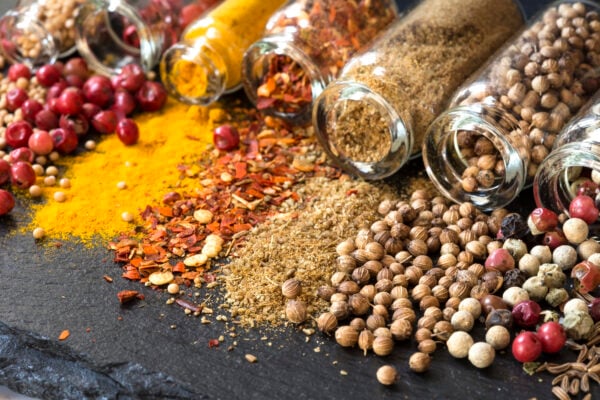
Assorted colorful spices and seasonings spilling from glass jars onto a dark slate surface, showcasing vibrant textures and rich natural hues.
Traditional biltong making becomes an adventure when kids start experimenting with regional spice variations. The Western Cape style differs significantly from KwaZulu-Natal preparations, offering children geographic lessons alongside culinary education.
Peri-peri variations introduce children to Portuguese influences in South African cuisine. Kids learn how colonial interactions shaped modern flavor profiles while practicing careful spice measurement and application. The gentle heat builds gradually during the air-curing process, teaching patience and delayed gratification.
Boerewors spice blends provide another educational opportunity. Children discover how coriander seeds transform when toasted and ground fresh, compared to pre-ground alternatives. They observe how different spice ratios create distinct regional variations, connecting geography with taste preferences across South African communities.
Creating spice journals becomes a natural extension of the learning process. Kids document their experiments, noting how different combinations affect both the curing process and final flavor profiles. This scientific approach reinforces traditional knowledge while encouraging systematic thinking about food preparation.
The aromatic qualities of various spices also teach children about sensory evaluation. They learn to identify properly balanced seasoning through smell alone, developing palates that appreciate complex, natural flavors over artificial alternatives commonly found in commercial snacks.
Understanding Different Textures and Drying Times
Advanced biltong-making introduces children to the science of moisture control and texture development. Thick cuts require different handling than thin strips, teaching kids how surface area affects drying rates and final texture characteristics.
Temperature and humidity variations create natural learning laboratories. Children observe how coastal conditions in places like Carlsbad affect drying times differently from inland environments. This geographic awareness connects local weather patterns to the success of food preservation.
Education on fat content becomes crucial at this stage. Kids learn why lean cuts like silverside produce different textures than fattier cuts, and understand how traditional butchers selected specific muscles for optimal air-curing results. These lessons emphasize the importance of selecting high-quality ingredients.
The concept of “wet” versus “dry” biltong preferences introduces cultural diversity within South African communities. Children discover how individual families developed their own texture preferences based on regional traditions and the evolution of personal taste over generations.
Making Biltong Part of Braai Culture Education
Braai culture represents the social heart of South African food heritage, and biltong traditionally plays a supporting role in these gatherings. Teaching children about this connection expands their understanding beyond individual snack preparation to community celebration.
Traditional braai accompaniments include various biltong preparations served alongside grilled meats. Kids learn how different cuts and spice preparations complement specific braai dishes, developing an understanding of the sophisticated flavor pairings that define authentic South African entertaining.
The storytelling aspect of braai culture provides rich educational opportunities. Children discover how families shared news, traditions, and recipes during these gatherings, with biltong serving as both sustenance and a conversation starter throughout lengthy cooking processes.
Modern applications help kids connect traditional practices with contemporary family life. They learn how quality biltong enhances casual gatherings, bringing authentic South African flavors to backyard barbecues and family celebrations in their own communities.
Understanding braai etiquette and the role of prepared snacks teaches children about hospitality traditions. They discover how offering homemade biltong demonstrates respect for guests while sharing cultural heritage through tangible, delicious expressions of family pride and craftsmanship.
Preserving Food Heritage for Future Generations
Documenting Family Recipes and Stories
Creating a lasting record of your family’s biltong journey goes beyond simply writing down ingredients. Start by documenting the specific spice ratios that work best for your family’s taste preferences, noting how different combinations create unique flavor profiles. Record the stories behind why your grandfather preferred extra coriander or how your mother discovered the perfect drying time through trial and error.
Encourage kids to become the family historians by having them interview older relatives about their memories of traditional air-curing methods. These conversations often reveal fascinating details about how families adapted recipes when moving from South Africa to places like Carlsbad, where different humidity levels required adjustments to drying techniques. Digital photo albums showing each step of the process, combined with handwritten notes about what worked and what didn’t, create invaluable resources for future generations.
Consider creating a family biltong journal where each child contributes their own observations from taste-testing sessions or their favorite preparation memories. This documentation becomes a bridge between past and present, ensuring that the knowledge embedded in traditional processes doesn’t get lost as families grow and spread across different locations.
Sharing Your Biltong Journey with Extended Family
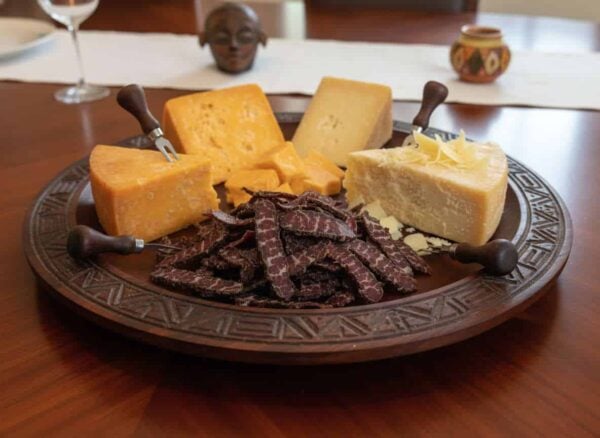
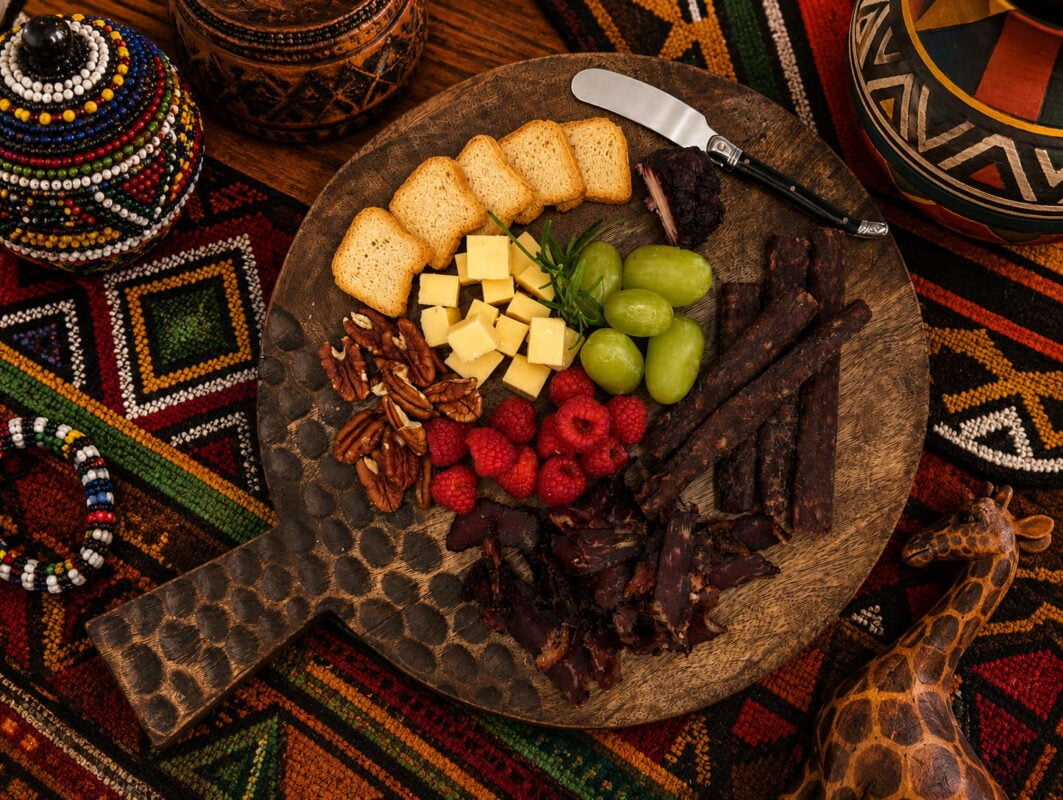
Pairing Biltong with assorted hard cheeses
Transform your biltong-making sessions into opportunities for broader family connection by sharing the experience with relatives who might be scattered across different cities or countries. Video calls during the seasoning process allow grandparents to guide young hands through proper salt distribution, while cousins in other states can compare their drying progress with yours.
Shipping small batches of your homemade biltong to extended family creates excitement and anticipation that keeps everyone engaged in the tradition. Include handwritten notes from the kids explaining what they learned during the making process or what surprised them most about the air-curing journey. These tangible connections help maintain cultural bonds even when physical distance makes regular gatherings challenging.
Annual family reunions become perfect venues for biltong competitions where different household approaches can be compared and celebrated. Kids naturally become ambassadors for their family’s specific methods, proudly explaining why their technique produces the best texture or most complex flavor development.
Creating Traditions That Kids Will Pass Down
Establishing meaningful rituals around biltong making ensures that children will want to continue the practice with their own families. Consider designating specific times of year, like heritage month or family birthdays, as occasions for collaborative biltong preparation. These regular touchpoints create anticipation and structure that kids associate with positive family experiences.
Develop unique family traditions, such as having each child create their own signature spice blend or allowing them to name batches after family members or special occasions. When children feel a sense of ownership over aspects of the process, they develop a personal investment in continuing the tradition. Creating certificates or awards for successful batches gives kids tangible recognition for their developing skills.
Teaching children to understand biltong as more than just a snack, but as a connection to their heritage, helps them appreciate why preserving these methods matters. Stories about how their ancestors relied on these preservation techniques for survival create a context that transforms a kitchen activity into meaningful cultural education.
Building Appreciation for Artisanal Food Culture
Exposing children to the broader world of traditional food crafts helps them understand that biltong making fits into a larger tapestry of artisanal food culture. Visits to local farmers’ markets in Escondido or specialty food shops allow kids to see how other cultures preserve and celebrate their food traditions, creating appreciation for the skill and patience required in traditional food preparation.
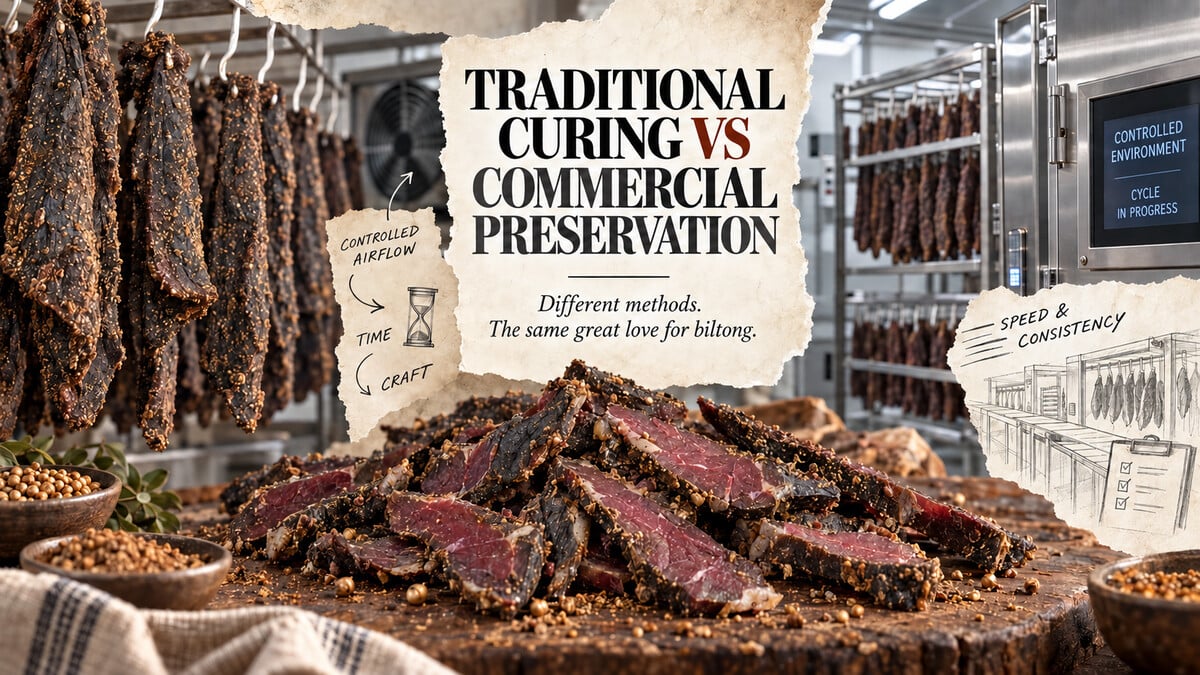
Comparing homemade biltong with commercial versions teaches children to recognize differences in quality and understand why traditional methods produce superior results. This develops their palates while building appreciation for the time and care that goes into artisanal food production. Understanding why gentle air-curing yields better texture and flavor than industrial processing methods equips them to make informed food choices throughout their lives.
When children understand the connection between traditional methods and superior nutrition, they develop lasting preferences for South African beef that prioritizes quality over convenience. This foundation serves them well as they navigate an increasingly processed-food landscape, armed with knowledge of what real, traditionally prepared food should taste like and why it matters for their health and cultural identity.