Blog
Building the Perfect Charcuterie Board with South African Air-Cured Specialties

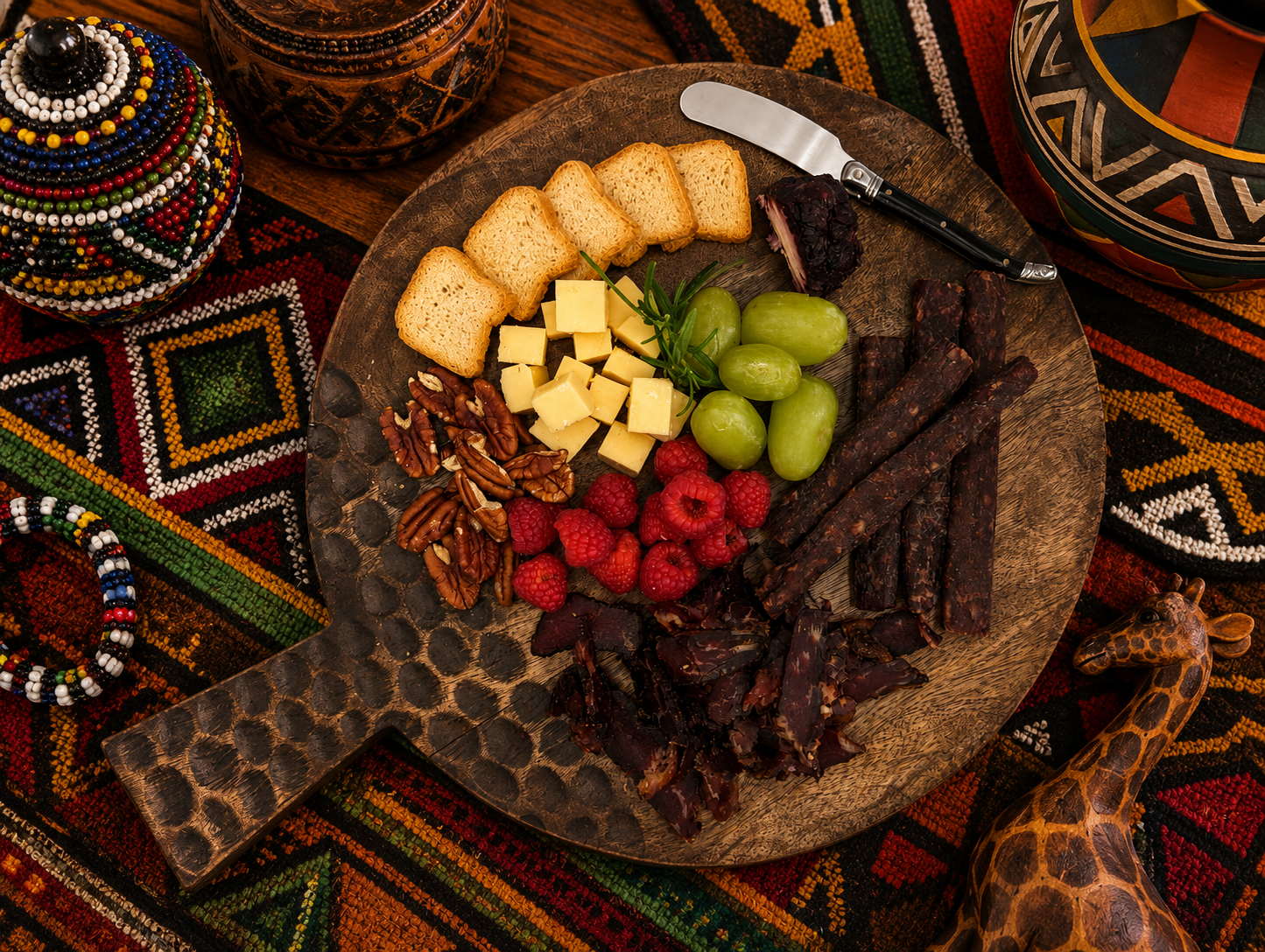
Essential Components for an Authentic South African Charcuterie Experience
Picture this: you’re hosting friends in Carlsbad on a warm Saturday evening, and you want to create something extraordinary that goes beyond the typical cheese-and-crackers spread. Building a charcuterie board with authentic South African air-cured specialties transforms an ordinary gathering into a memorable culinary adventure, introducing your guests to centuries-old preservation techniques that create incredibly complex flavors.
The key to an exceptional South African charcuterie experience lies in understanding how traditional air-curing methods develop unique taste profiles that simply can’t be replicated through modern processing. When you combine these authentic specialties with complementary elements, you create a board that tells a story while delivering satisfying protein and bold flavors that keep guests coming back for more.
Selecting Premium Biltong as Your Centerpiece Protein
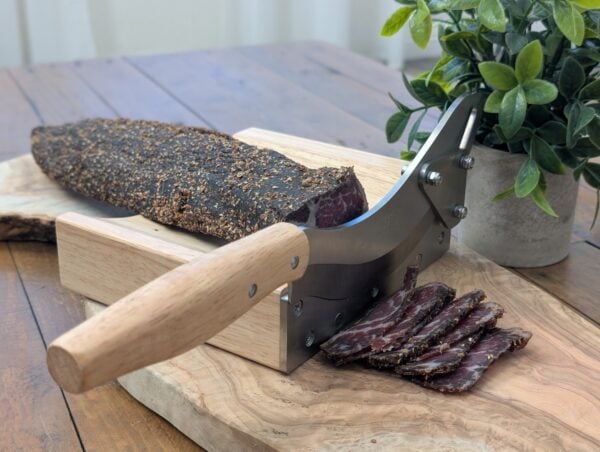
Handcrafted biltong slicer cutting dried cured beef on a rustic wooden table with warm natural light.
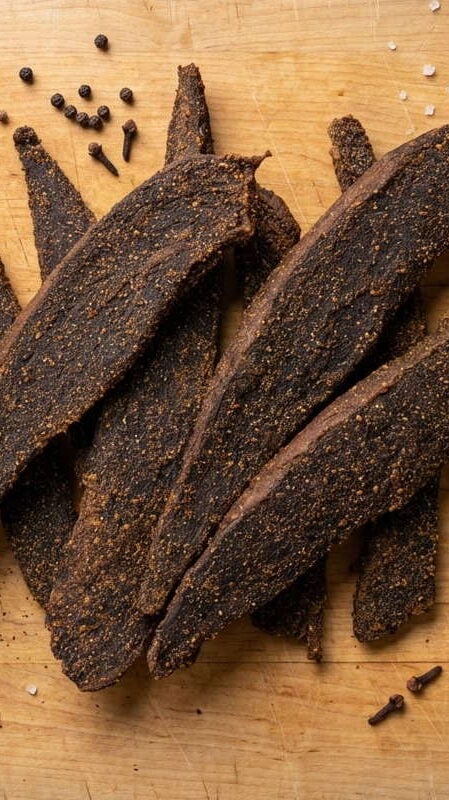
Your charcuterie board’s foundation starts with choosing high-quality South African beef biltong that showcases the authentic air-curing process. Look for biltong with the characteristic dark exterior and deep red interior, indicating proper moisture removal and enzyme development. The texture should offer slight resistance when torn, not crumble like jerky, or remain too chewy.
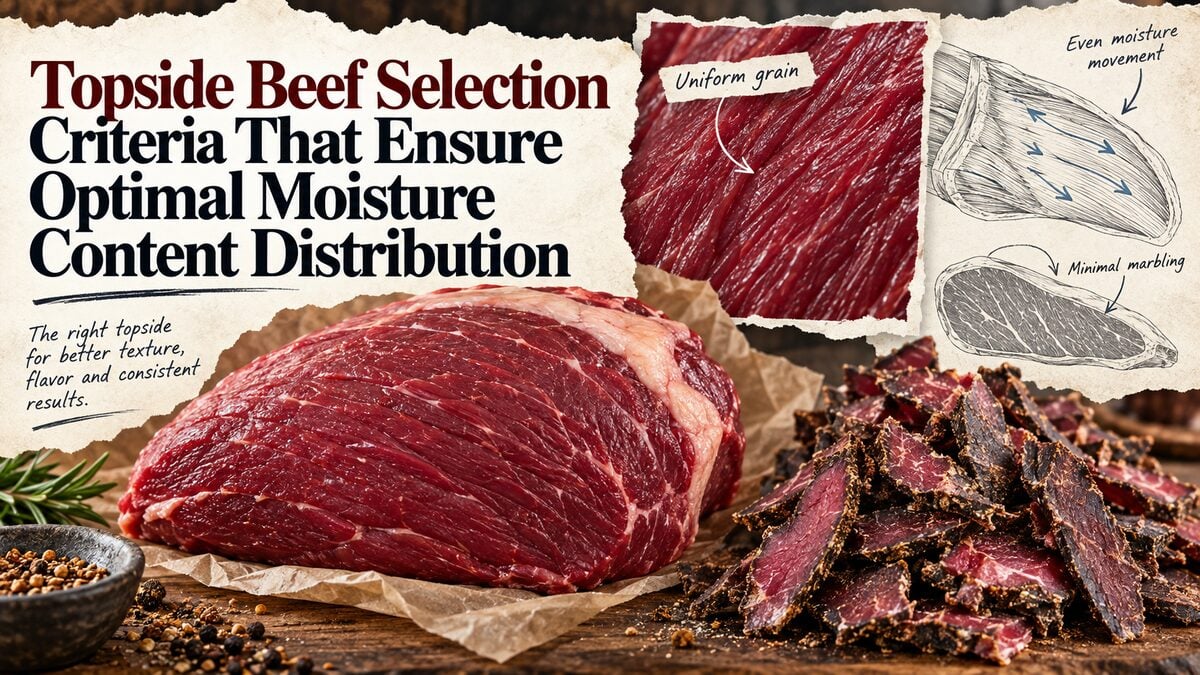
Traditional cuts like silverside and topside provide the ideal balance of lean meat and natural marbling that air-curing transforms into complex umami notes. When arranging your board, create visual interest by including cuts of different thicknesses (some hand-torn strips alongside precisely sliced pieces), and consider offering both original and flavored varieties to accommodate different palate preferences.
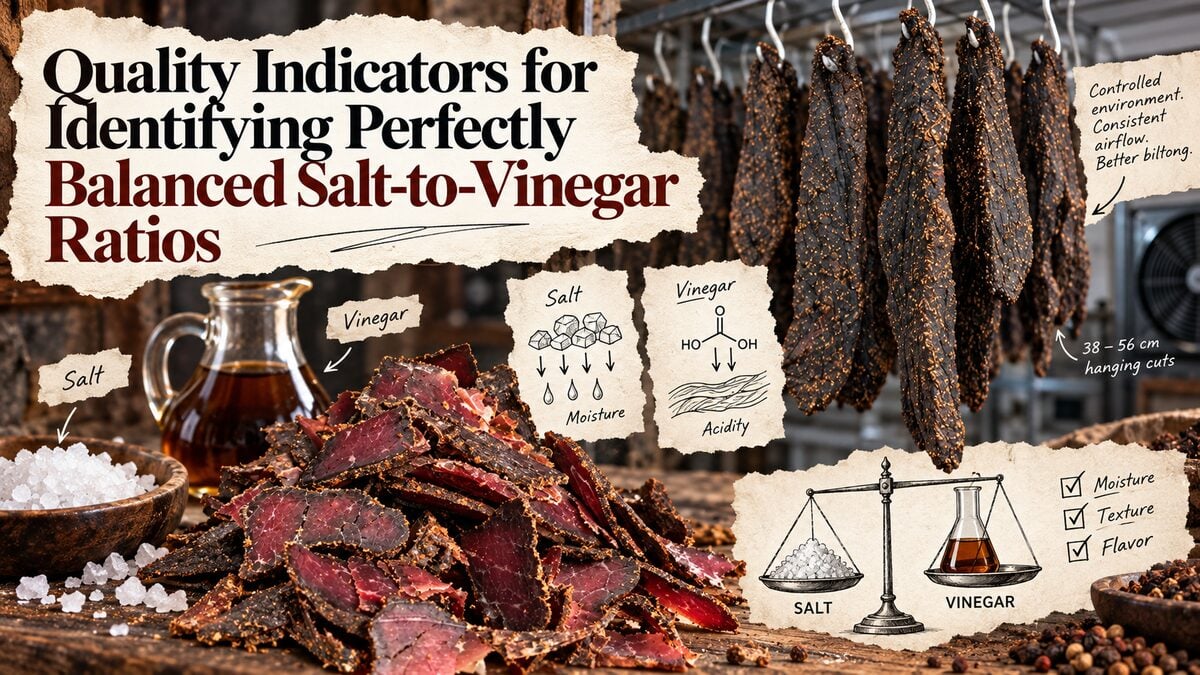
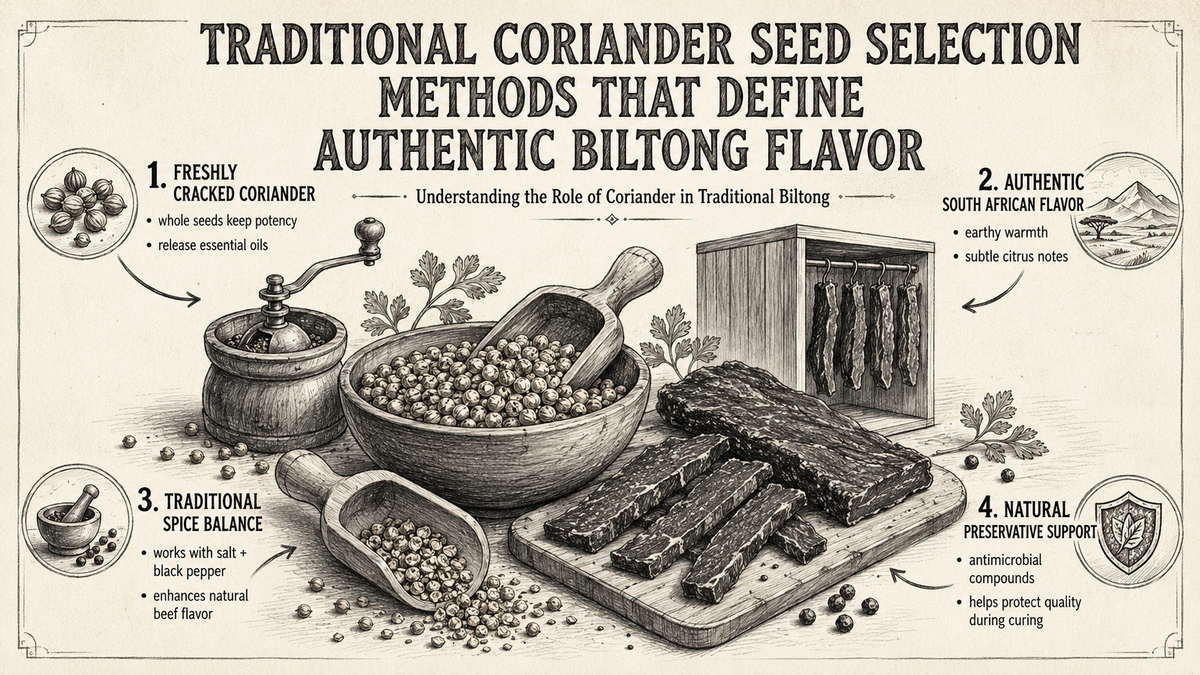
The beauty of premium biltong lies in its simplicity of ingredients. Traditional recipes use only salt, coriander, black pepper, and vinegar, allowing the natural beef flavors to shine through the air-curing process. This minimalist approach means your centerpiece protein won’t compete with other board elements but rather enhance them.
Incorporating Traditional Droëwors and Boerewors Varieties
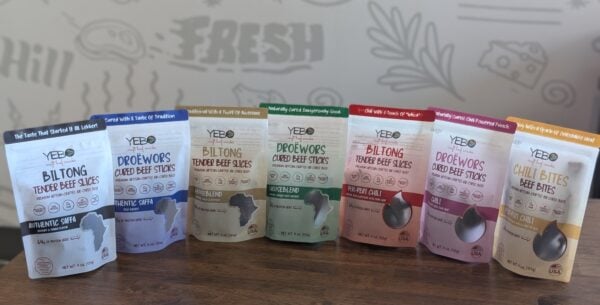
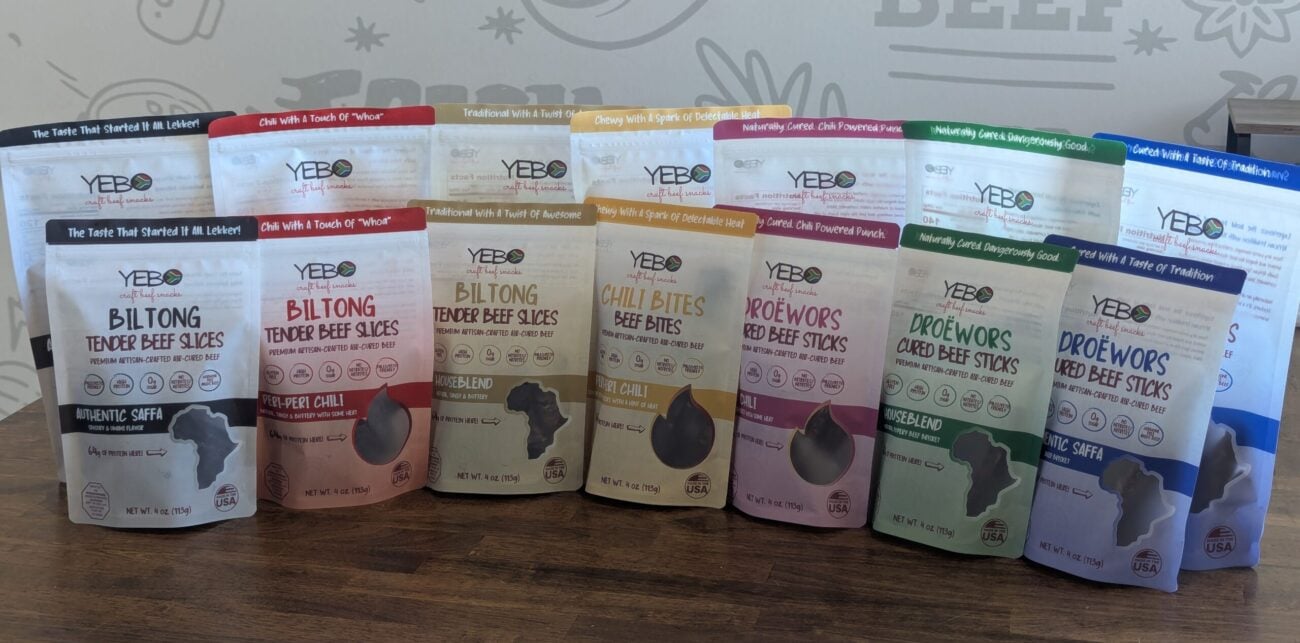
A colorful lineup of YEBO craft beef snack pouches showcasing assorted biltong, droëwors, and chili flavors on a wooden surface.
Droëwors (dried sausage) adds textural variety to your South African charcuterie experience, offering a different mouthfeel from biltong while maintaining those authentic air-cured characteristics. These thin, rope-like sausages develop concentrated flavors through natural dehydration, creating an intense meaty taste that pairs beautifully with mild cheeses and crisp accompaniments.
When selecting droëwors, look for consistent diameter and color throughout, indicating even drying conditions. The surface should feel firm but not brittle. Arrange these in coiled patterns or straight lines across your board for visual appeal.
Boerewors varieties, while typically fresh sausages, can also appear on charcuterie boards when properly prepared and presented. These offer broader flavor profiles with traditional spice blends including coriander seed, which creates a beautiful bridge between the droëwors and biltong elements on your board.
Balancing Spice Levels with Chili Bites and Traditional Flavors
Creating harmony across spice levels requires strategic placement and a variety of selections. Start with milder biltong flavors as your base, then introduce chili bites and peri-peri spiced varieties to add heat without overwhelming sensitive palates. This approach allows guests to control their spice experience rather than forcing everyone into the same intensity level.
Traditional South African spice profiles often feature warm, earthy notes from coriander and black pepper rather than sharp heat. When incorporating biltong varieties with different spice levels, consider the building effect, in which flavors compound throughout the tasting experience. Place milder options at one end of your board and gradually increase intensity.
Chili bites work particularly well as accent pieces rather than main features. Their concentrated heat and compact size make them perfect for guests who want to add a kick to their selection without overwhelming their palate for subsequent tastings.
Choosing Complementary South African Specialties
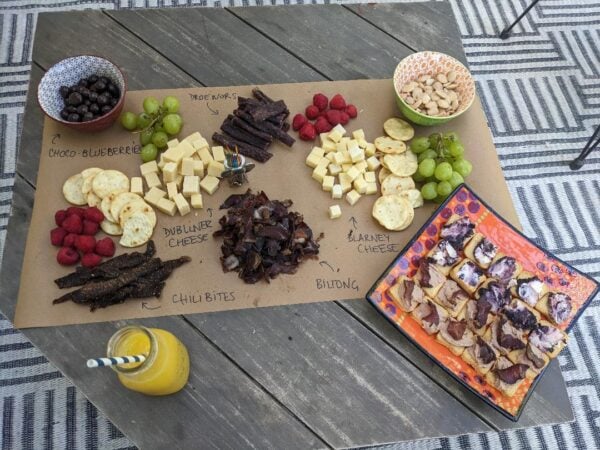
Rustic charcuterie board with biltong, cheeses, fruits, and snacks arranged for a casual outdoor gathering.
Round out your authentic South African charcuterie board with specialties that complement rather than compete with your air-cured centerpieces. Biltong powder (finely ground biltong) makes an excellent seasoning for crackers or bread, while traditional rusks provide textural contrast and help cleanse the palate between different proteins.
Consider including South African cheeses like bokmakirie or gouda-style varieties that won’t overpower the subtle complexity of properly air-cured meats. These dairy elements provide creamy relief from the concentrated flavors while maintaining the regional authenticity of your presentation.
When exploring creative recipes, remember that your charcuterie board serves as both a standalone experience and a source of inspiration for future culinary adventures. Each element should contribute to the overall narrative of South African food culture while providing guests with flavors they’ll remember long after the evening ends.
Mastering the Art of Air-Cured Meat Preparation and Presentation
Proper Slicing Techniques for Different Biltong Cuts
The way you slice your biltong dramatically impacts both the visual presentation and eating experience on your charcuterie board. Different cuts of South African beef biltong require specific slicing approaches to maximize their natural textures and flavors.
For silverside cuts, slice against the grain in thin strips about 2-3mm thick. This technique breaks down the muscle fibers, making each bite tender while maintaining that characteristic chew biltong enthusiasts love. The natural marbling becomes more visible when sliced properly, creating beautiful streaks across each piece.
Topside cuts benefit from slightly thicker slices, around 4-5mm, as this cut is naturally more tender. Keep your knife perpendicular to the muscle fibers, and you’ll notice how the meat separates cleanly without tearing. These thicker pieces hold their shape better on the board and provide a more substantial bite.
Always use a sharp knife for clean cuts. Dull blades tear the meat fibers, creating ragged edges that look unprofessional and affect texture. Consider chilling your biltong for 15-20 minutes before slicing (especially during warm Carlsbad afternoons) to firm up the texture and achieve cleaner cuts.
Temperature and Serving Considerations for Optimal Flavor
Temperature plays a crucial role in how your guests experience biltong flavors. Unlike traditional charcuterie that benefits from slight chilling, air-cured biltong reaches its flavor peak at room temperature, typically around 68-72°F.
Remove your biltong from storage 20-30 minutes before guests arrive. This allows the natural oils and spices to warm slightly, intensifying the coriander and salt flavors that make authentic biltong so distinctive. The meat’s texture also becomes more pliable, making it easier to bite and chew.
During Escondido’s warmer months, consider the ambient temperature of your serving space. If you’re hosting outdoors or in a warm room, keep unused portions covered and rotate fresh slices onto the board every 30-40 minutes. This prevents the meat from becoming too warm while maintaining optimal flavor release.
For extended gatherings, store backup portions in a cool, dry place rather than refrigerating them. Cold biltong loses much of its aromatic complexity, and the texture becomes unnecessarily firm. The science of air-drying creates a product that’s naturally shelf-stable at room temperature for several hours.
Creating Visual Appeal with Texture and Color Contrasts
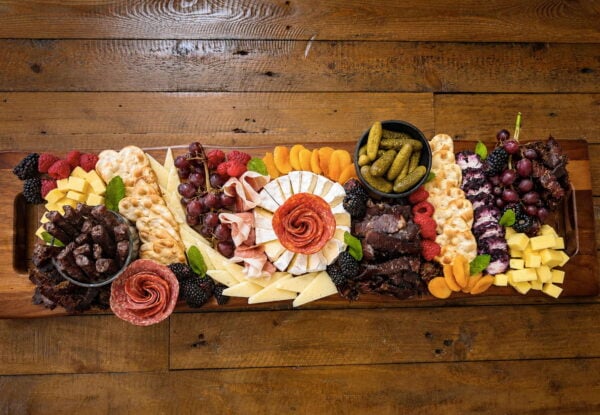
Beautiful charcuterie board with cheeses, meats, fruits, and biltong arranged on a rustic wooden table for an elegant and colorful display.
Visual presentation transforms a simple snack into an impressive centerpiece. Biltong’s deep mahogany color and varied textures provide excellent opportunities for contrast when arranged thoughtfully on your charcuterie board.
Layer different slice thicknesses to create depth. Fan thin silverside slices in overlapping patterns, then accent with chunkier topside pieces. The varying heights add visual interest and make the board look more abundant. Consider the natural color variations within different cuts – some pieces will be darker, others lighter, creating organic visual rhythm.
Contrast biltong’s dark, matte finish with lighter elements. Pale cheeses, white crackers, and colorful fruits create striking visual breaks that make the biltong stand out. Position lighter items adjacent to your biltong arrangements to maximize this contrast effect.
Use the natural curl and texture of hand-cut biltong to your advantage. Unlike machine-processed meats that lay flat, properly prepared biltong has organic curves and irregular edges that add rustic charm. Don’t flatten these natural shapes – let them create shadows and dimension on your board.
Portion Planning for Different Group Sizes
Calculating appropriate biltong portions ensures every guest enjoys this South African specialty without running short or having excessive leftovers. Plan approximately 2-3 ounces of biltong per person for a mixed charcuterie board, or 4-5 ounces if biltong is the primary protein feature.
For intimate gatherings of 4-6 people, prepare about 12-16 ounces total, arranging it in 2-3 small clusters across your board. This distribution encourages sampling and prevents overcrowding around a single pile. Larger groups of 8-12 require 20-24 ounces, spread across multiple sections to ensure accessibility from different seating positions.
Consider your guest demographics when planning portions. Biltong newcomers typically try smaller amounts initially, while enthusiasts may consume significantly more. Keep extra portions on hand to refresh the board, especially during longer gatherings when people return for second and third helpings.
Account for complementary items when calculating portions. Boards featuring multiple proteins require less biltong per person, while seasonal biltong pairings that highlight the meat as the star attraction need more generous portions. Remember that properly portioned boards look intentional rather than sparse or overwhelming.
Pairing Strategies: Complementary Flavors and Textures
Cheese Selections That Enhance Air-Cured Meat Profiles
The robust, savory depth of biltong calls for cheeses that either complement its intensity or provide a creamy counterbalance. Hard-aged cheeses like Parmigiano-Reggiano and aged Gouda work brilliantly because their crystalline texture and nutty notes mirror biltong’s concentrated flavors without competing.
For contrast, consider soft-ripened options like Brie or Camembert. Their buttery richness mellows biltong’s saltiness while creating textural variety on your board. Blue cheeses such as Roquefort or Stilton offer another dimension entirely—their pungent, tangy profiles actually heighten biltong’s savory qualities through contrast.
Fresh cheeses like burrata or fresh mozzarella provide cooling relief between bites of South African beef biltong, while their mild flavors won’t mask the meat’s complex seasoning. The key is balancing intensity: pair stronger biltong flavors with assertive cheeses, and milder cuts with delicate varieties.
Fresh and Dried Fruit Combinations for Balance
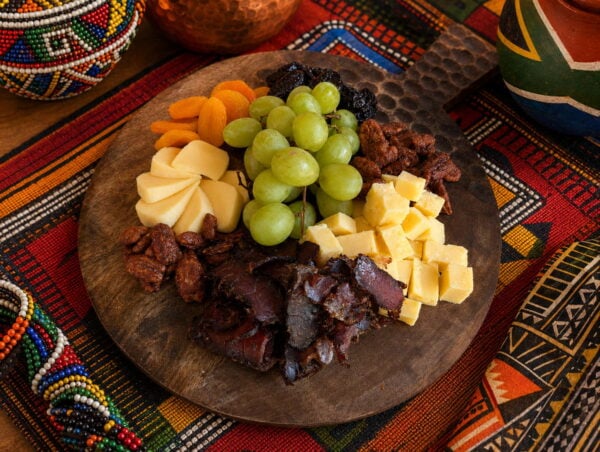
Vibrant South African charcuterie board featuring biltong, cheese, grapes, and dried fruit on a colorful woven tablecloth.
Fruit serves as your board’s palate cleanser and sweet counterpoint to biltong’s savory intensity. Fresh grapes (especially red varieties) provide bursts of juice that refresh between protein-heavy bites, while their natural sweetness plays beautifully against coriander and black pepper notes.
Dried fruits offer concentrated sweetness and a chewy texture contrast. Dates stuffed with soft cheese create perfect single bites alongside biltong strips. Dried apricots and figs bring subtle tartness that enhances rather than overwhelms the meat’s flavor profile.
Stone fruits like pears and apples (both fresh and dried) work exceptionally well. Their crisp texture and mild sweetness provide relief without competing for attention. Cut fresh fruits just before serving to maintain crispness and prevent browning that could detract from your board’s visual appeal.
Artisanal Crackers and Bread Choices
Your cracker selection should provide structural support while adding complementary flavors and textures. Water crackers provide neutral platforms that highlight biltong’s seasoning, while seed-based options like everything bagel crackers add savory elements.
Sourdough crisps bring a slight tanginess that enhances biltong’s fermented notes, and their sturdy texture can handle substantial toppings. Oatcakes provide earthy, slightly sweet background notes that work particularly well with game biltong varieties.
Consider including crusty baguette slices or artisanal flatbreads for guests who prefer larger vehicles for their charcuterie combinations. These options also accommodate those who want to create more substantial bites combining multiple board elements. The variety ensures every guest finds their preferred delivery method.
South African-Inspired Condiments and Spreads
Authentic South African condiments elevate your board from good to extraordinary. Chakalaka (a spicy vegetable relish) provides heat and textural interest that complements biltong’s traditional flavor profile. Its tomato base and mixed vegetables add freshness and a variety of colors.
Apricot jam or preserves offers a sweet-tart balance that’s particularly stunning with game biltong varieties. The fruit’s natural acidity cuts through rich flavors while maintaining the South African theme. Mrs. Ball’s chutney, if available, provides complex sweet-sour-spicy notes that enhance rather than mask biltong’s seasoning.
Include cream cheese or labneh as neutral spreads that allow guests to create milder combinations. These dairy-based options appeal to those who find straight biltong too intense while still showcasing the meat’s quality and craftsmanship.
Wine and Beverage Pairings for the Complete Experience
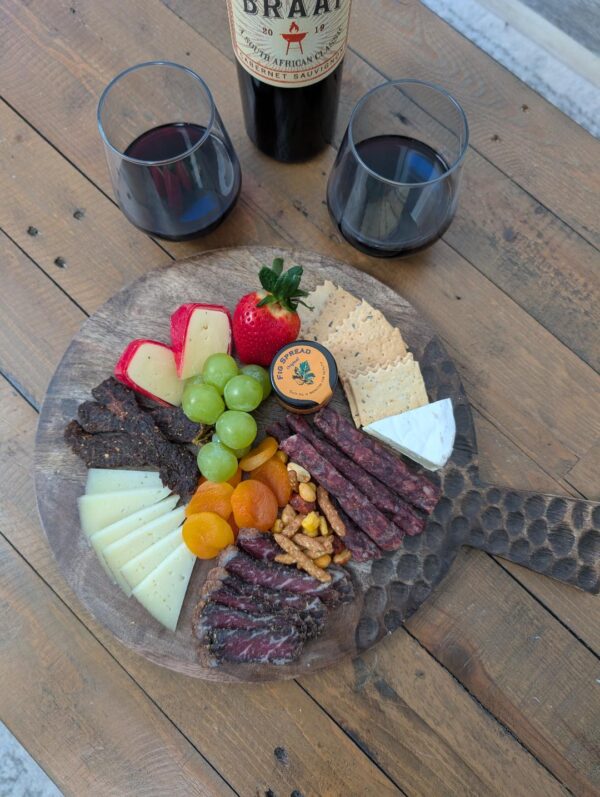
A rustic charcuterie board with biltong, cheese, fruit, and red wine set for a cozy evening pairing.
Wine selection can make or break your charcuterie experience. Bold reds like Pinotage (South Africa’s signature variety) or Shiraz pair well with biltong’s intensity while honoring its origins. These full-bodied wines have enough tannins and fruit concentration to stand up to heavily seasoned meats.
For lighter options, consider Chenin Blanc or Sauvignon Blanc. Their crisp acidity cleanses the palate between rich bites, while their fruit-forward profiles provide refreshing contrast. These wines work especially well when your board includes milder biltong varieties or significant cheese components.
Don’t overlook craft beer pairings. South African lagers like Castle or Windhoek provide authentic regional matching, while their clean finish won’t overwhelm delicate flavors. For those seeking guidance on advanced pairing biltong combinations, consider how different biltong spice levels interact with various wine styles.
Non-alcoholic options should include sparkling water with citrus and perhaps rooibos tea for an authentically South African touch that complements rather than competes with your carefully curated flavors.
Design and Layout Techniques for Professional Presentation
Board Size Selection and Space Planning
The foundation of any impressive charcuterie presentation starts with choosing the right board dimensions. For intimate gatherings of 4-6 people, a 12-inch round or 14×10-inch rectangular board provides adequate space without overwhelming your table. Larger entertaining requires 18-inch boards or multiple smaller boards to create visual interest across different areas.
Space planning becomes critical when featuring air-cured specialties as your centerpiece. South African Beef Biltong requires approximately 3-4 inches of dedicated space per variety to allow proper fanning and easy access. Calculate roughly 2-3 ounces of biltong per person, then allocate board real estate accordingly. This prevents overcrowding, which can make premium air-cured selections appear cramped or difficult to serve.
Consider your serving environment when selecting materials. Wooden boards work beautifully for rustic presentations, while marble or slate creates sophisticated backdrops that highlight the rich textures of traditional air-cured meats. The key lies in ensuring that your board choice complements, rather than competes with, your carefully curated selections.
Creating Flow and Visual Hierarchy
Professional presentation relies on establishing clear visual pathways that guide guests naturally around your board. Start by dividing your space into odd-numbered sections (three or five zones work best) rather than a symmetrical arrangement that feels static and predictable.
Create height variations using small bowls, ramekins, or folded elements to add dimension. Position your most premium items at eye level or slightly elevated to emphasize their quality. Air-cured biltong benefits from this elevated positioning because it showcases the artisanal textures and natural color variations that set it apart from mass-produced alternatives.
Establish color balance by distributing darker and lighter elements throughout the board. The deep mahogany tones of properly air-cured biltong pair beautifully with pale cheeses and bright garnishes. Avoid clustering all similar colors in one area, which creates dead spots that interrupt the visual flow your guests follow when making selections.
Movement patterns matter more than most people realize. Position items so guests can easily reach everything without crossing over other selections or disrupting the overall arrangement. This practical consideration becomes especially important when featuring delicate air-cured specialties that shouldn’t be handled excessively.
Strategic Placement of Anchor Items
Every successful charcuterie board needs anchor items that serve as focal points around which everything else revolves. Your premium air-cured selections function perfectly as these anchors because they possess the visual weight and artisanal character that naturally draw attention.
Position primary anchors using the rule of thirds rather than centering everything. Place your finest biltong varieties at intersection points where imaginary grid lines cross your board. This creates more dynamic compositions than symmetrical layouts while ensuring each specialty gets proper emphasis.
Secondary anchors should complement rather than compete with your main selections. Artisanal cheeses, specialty crackers, or unique preserves work well in supporting roles. Space these elements so they frame your air-cured offerings without overwhelming them or creating visual competition.
Consider the practical aspects of anchor placement. Items that require cutting or special serving utensils should be positioned where guests can access them easily without disrupting other elements. This thoughtful approach ensures your beautiful presentation remains functional throughout your event.
Garnishing with Fresh Herbs and Decorative Elements
Fresh garnishes breathe life into charcuterie presentations while providing aromatic elements that enhance the overall sensory experience. Rosemary sprigs work exceptionally well with air-cured meats because their woody fragrance complements the deep, developed flavors without overwhelming them.
Microgreens add sophisticated touches that suggest restaurant-quality attention to detail. Pea shoots, radish greens, or herb flowers create delicate accents that fill negative space beautifully. Use these sparingly – three to five small clusters distributed strategically work better than scattered individual pieces that look random.
Edible flowers elevate presentations instantly, but choose varieties that complement rather than clash with your flavor profiles. Nasturtiums provide peppery notes that pair wonderfully with rich air-cured selections, while violas offer mild, sweet accents that won’t compete for attention.
Seasonal elements keep your presentations feeling current and thoughtful. Winter gatherings benefit from evergreen sprigs or dried citrus wheels, while summer calls for fresh basil or mint. These natural decorative choices show the same attention to quality and craftsmanship that characterizes premium air-cured specialties, creating cohesive presentations that reflect your commitment to excellence throughout every detail.
Seasonal Adaptations and Special Occasion Variations
Summer Outdoor Entertainment Considerations
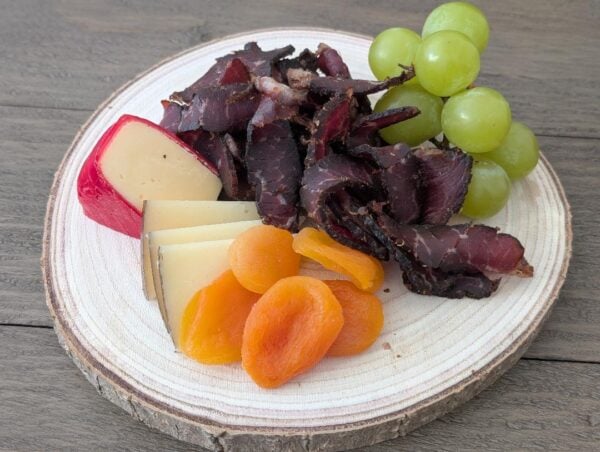
Rustic charcuterie board with biltong, cheese, dried apricots, and fresh grapes on a wooden platter.
Carlsbad’s year-round Mediterranean climate makes outdoor entertaining a natural choice, and South African beef biltong becomes even more valuable when you’re hosting poolside gatherings or beach picnics. Unlike traditional charcuterie that wilts in the heat, air-cured biltong maintains its integrity and flavor profile even when exposed to warm temperatures for extended periods.
The key to summer board success lies in strategic placement and timing. Position your charcuterie board in shaded areas and consider using cooling stones or ice packs beneath it to maintain optimal temperatures for the accompanying cheeses. Biltong requires no such accommodation, making it the most reliable protein on your board.
Summer presentations benefit from lighter accompaniments that complement biltong’s robust flavor without overwhelming guests in the heat. Fresh cucumber ribbons, chilled grapes, and crisp radishes provide cooling contrasts to the rich, concentrated flavors of air-cured meat. Local Escondido farmers’ markets offer perfect seasonal additions, such as stone fruits and berries, that pair beautifully with biltong’s natural saltiness.
Consider portion adjustments for outdoor settings where guests might graze longer. Standard indoor serving sizes often prove insufficient when people spend hours by the pool or on the patio. Calculate roughly 3-4 ounces of biltong per person for extended outdoor gatherings, rather than the typical 2-3 ounces for shorter indoor events.
Holiday and Celebration Board Modifications
Holiday charcuterie boards demand elevated presentation and expanded flavor profiles that showcase what is biltong? to newcomers while satisfying regular enthusiasts. Christmas boards benefit from incorporating traditional South African elements like droëwors alongside various biltong cuts, creating educational opportunities for curious guests.
Thanksgiving modifications work particularly well with biltong’s natural umami qualities. The air-cured meat provides a savory anchor that balances sweeter holiday elements like cranberry chutneys or honeyed nuts. Consider adding roasted butternut squash or sweet potato chips for seasonal color and complementary flavors that echo biltong’s earthy notes.
New Year’s celebrations call for sophisticated presentations that showcase biltong’s premium positioning. Arrange different cuts (silverside, topside, eye of round) in distinct sections, allowing guests to compare flavor profiles and textures. This educational approach transforms your charcuterie board into a conversation starter and cultural experience.
Valentine’s Day boards benefit from biltong’s aphrodisiac reputation in South African culture. Pair with dark chocolate, strawberries, and champagne for an unexpected but harmonious combination. The contrast between biltong’s savory intensity and sweet accompaniments creates memorable flavor moments perfect for intimate celebrations.
Adventure-Ready Portable Versions
Southern California’s outdoor lifestyle demands charcuterie solutions that travel well to beaches, hiking trails, and camping sites. Biltong’s natural preservation methods make it ideal for portable boards that maintain food safety for hours without refrigeration.
Create adventure boards using sturdy bamboo or acacia serving pieces that won’t shatter if dropped on sandy beaches or rocky surfaces. Focus on shelf-stable accompaniments: aged hard cheeses, nuts, dried fruits, and crackers that won’t spoil during transport. Biltong is a reliable source of protein that requires no special handling or temperature control.
Portion control becomes crucial for portable versions. Pre-cut biltong into serving-sized pieces and pack in airtight containers to prevent moisture absorption during transport. Individual serving containers work well for hiking groups, allowing each person to carry their own protein portion while sharing communal items like crackers and nuts.
Consider the eating experience when selecting biltong cuts for adventure boards. Softer, easier-to-chew varieties work better for active settings where people might be eating while walking or engaging in physical activities. Save the chewier traditional cuts for stationary entertainment where diners have time to properly savor the textures.
Scaling Recipes for Large Gatherings
Large gatherings require mathematical precision to ensure adequate quantities without excessive waste. Calculate 4-5 ounces of biltong per person for events lasting 3-4 hours, and increase if biltong is the primary protein option. Shop variety packs to provide options while maintaining cost efficiency for larger groups.
Visual presentation becomes more challenging with larger boards. Create multiple smaller boards rather than one massive display, ensuring every guest has easy access to all elements. Position biltong consistently across all boards so guests don’t cluster around single locations.
Storage and preparation logistics multiply with large events. Prepare biltong portions 24 hours ahead, storing in airtight containers at room temperature. This advance preparation allows you to focus on last-minute additions, such as fruits and vegetables, on the day of your event.
Storage, Safety, and Make-Ahead Strategies
Proper Storage Techniques for Air-Cured Specialties
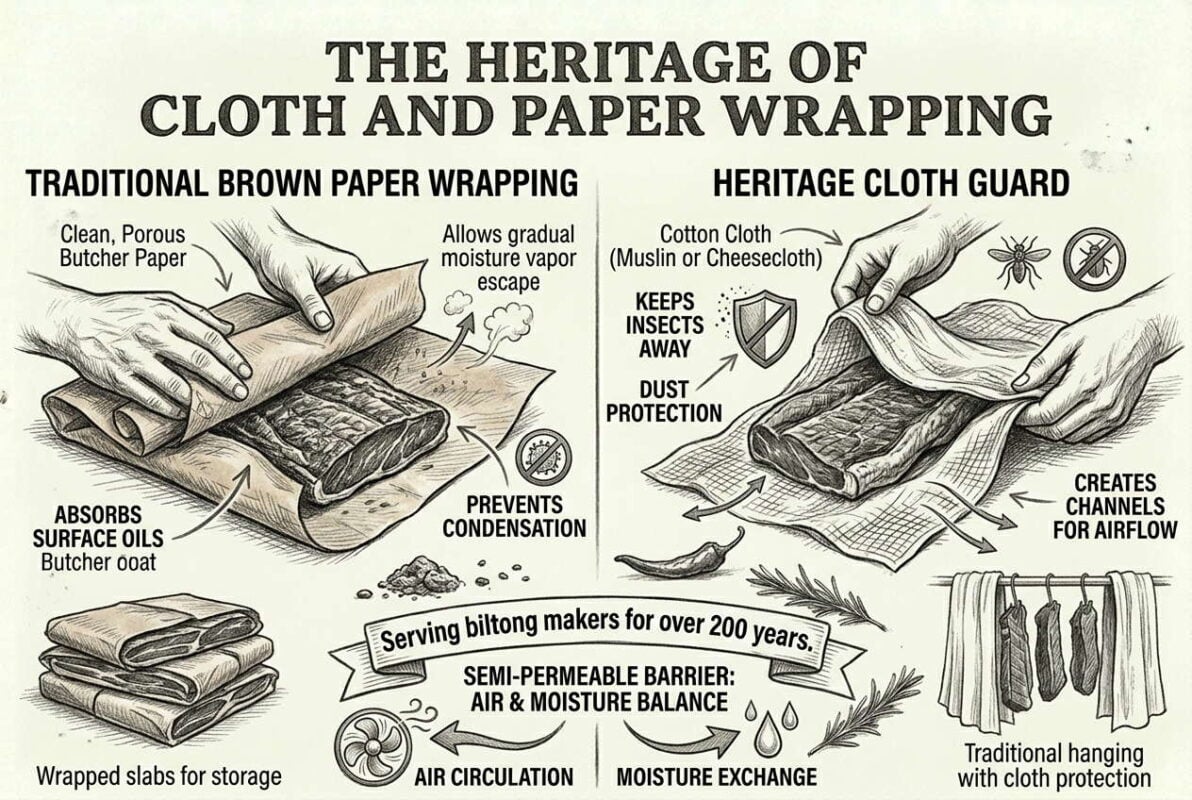
Air-cured meats like biltong demand specific storage conditions to maintain their signature texture and flavor profiles. Unlike traditional charcuterie that relies on refrigeration, South African beef biltong thrives in cool, dry environments with consistent airflow. Store opened biltong in breathable paper bags rather than plastic containers, which trap moisture and compromise the meat’s natural preservation.
Temperature control becomes critical when combining different proteins on your board. Keep biltong at room temperature for optimal serving texture, while traditional European salamis and pâtés require refrigeration until service. Create a staging system in which you remove air-cured specialties from storage 30 minutes before guests arrive, allowing flavors to fully develop.
Humidity levels around 60-65% provide the sweet spot for maintaining biltong’s characteristic firmness. Carlsbad’s coastal climate often exceeds these levels, making proper ventilation essential. Use mesh bags or perforated containers that allow air circulation while protecting from direct moisture exposure.
Food Safety Guidelines for Mixed Protein Boards
Combining air-cured and fresh proteins requires careful attention to temperature zones and to preventing cross-contamination. Designate separate cutting boards and utensils for each protein category to prevent bacterial transfer between preservation methods. The natural antimicrobial properties of properly air-cured biltong confer inherent safety advantages, but mixing in fresh elements requires heightened vigilance.
Implement a two-hour rule for assembled boards containing both ambient and refrigerated proteins. After this window, the entire board should be disassembled, with refrigerated items returned to cold storage and air-cured elements stored appropriately. Monitor internal temperatures using probe thermometers, ensuring fresh components remain below 40°F while allowing air-cured specialties to maintain room temperature.
Consider the consumption sequence when planning protein placement. Position biltong and other air-cured meats in easily accessible areas, encouraging guests to enjoy these items first while other proteins remain at safe temperatures. This natural flow reduces the time mixed boards spend in potentially dangerous temperature zones.
Timeline for Assembly and Serving
Strategic timing transforms good charcuterie boards into exceptional experiences. Begin preparation 24 hours ahead by removing air-cured meats from long-term storage and allowing them to reach optimal serving conditions. The dense texture of biltong benefits from this extended tempering period, developing deeper flavor complexity as proteins relax at ambient temperature.
Dedicate the morning of service to assembling non-perishable elements. Arrange crackers, nuts, and preserved accompaniments on your serving board to create the foundation. This approach prevents last-minute rushing while ensuring temperature-sensitive items receive proper attention during final assembly.
Reserve the final 90 minutes before service for protein placement and additions of fresh elements. Remove refrigerated items first, allowing them to lose their chill gradually while you arrange air-cured specialties. Add fresh fruits, soft cheeses, and delicate garnishes during the last 15 minutes to preserve their visual appeal and optimal texture.
Plan serving duration around protein stability windows. Air-cured meats maintain quality for extended periods, making them ideal for longer gatherings. Position serving utensils strategically to encourage efficient guest flow, minimize board disruption, and maintain visual presentation throughout the event.
Leftover Management and Repurposing Ideas
Transform remaining biltong into versatile cooking ingredients that extend its culinary value beyond the original presentation. Finely chopped air-cured meat creates exceptional flavor bases for scrambled eggs, pasta dishes, and grain bowls. The concentrated umami in properly aged biltong intensifies when incorporated into cooked applications.
Develop storage systems that maximize the longevity of leftovers across different protein categories. Return unused air-cured meats to their original breathable containers, where they’ll maintain quality for weeks when stored properly. Refrigerated proteins require immediate attention, either consumed within 24 hours or repurposed into cooked dishes.
Consider batch-preparation strategies for future boards based on successful combinations. Document winning flavor pairings and portion sizes, creating a blueprint for efficient future assembly. This approach reduces waste while building expertise in balancing South African air-cured specialties with complementary elements.
The art of charcuterie board creation extends far beyond initial presentation, encompassing the full lifecycle from storage through creative repurposing. Master these foundational techniques, and you’ll discover that South African beef biltong transforms every gathering into an authentic culinary experience. Whether you’re hosting intimate dinners in Escondido or larger celebrations throughout the region, these storage and safety practices ensure your air-cured specialties deliver maximum impact while maintaining the highest quality standards.