Blog
Understanding Biltong Fat Content and Why It Benefits Your Daily Nutrition

The Science Behind Biltong’s Unique Fat Profile
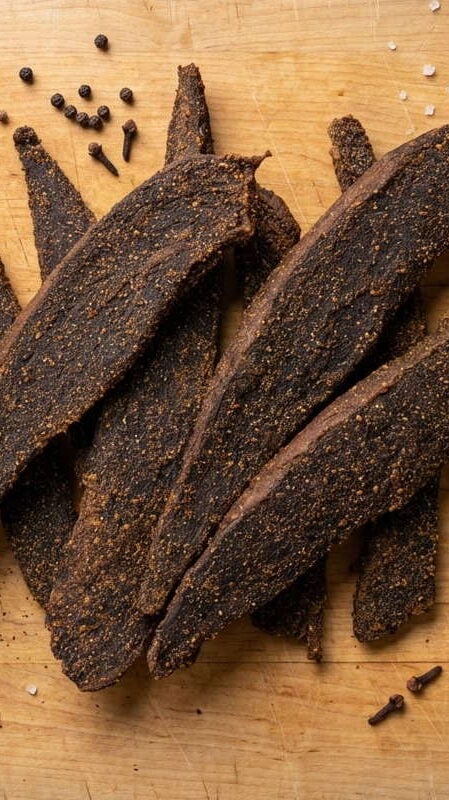
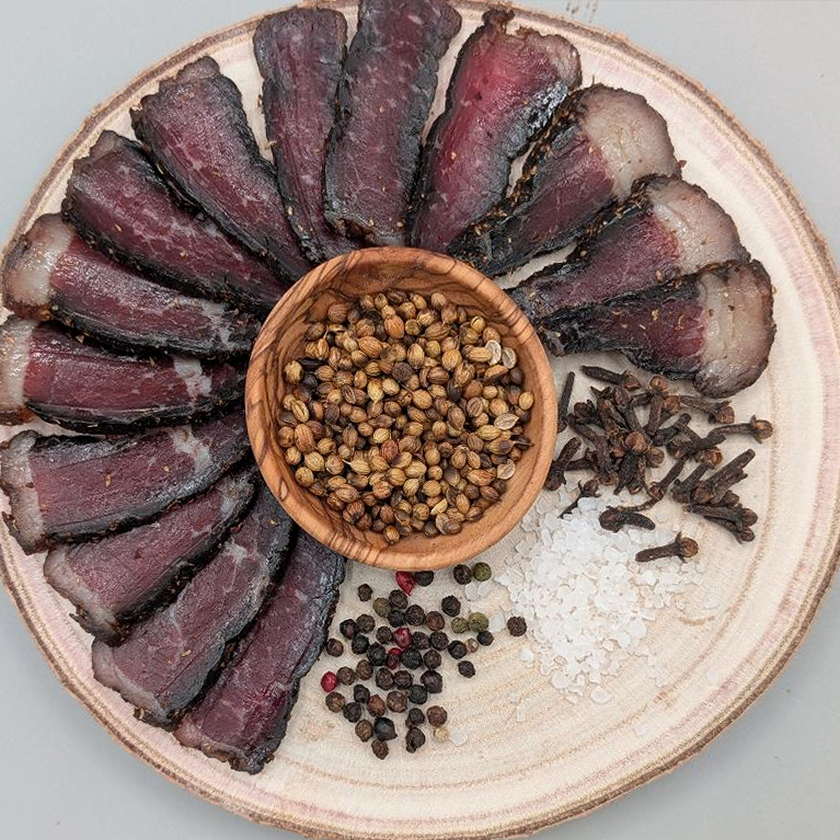
When you bite into a piece of properly air-cured biltong, you’re experiencing something most commercial meat snacks can’t deliver: the preservation of natural fats that actually enhance your nutritional intake. Unlike heavily processed jerky that strips away beneficial compounds, traditional South African air-curing methods preserve the delicate fat structures that make this protein snack both satisfying and nutrient-dense.
The fat content in biltong isn’t an afterthought—it’s a carefully preserved component that plays a crucial role in flavor development, satiety, and nutrient absorption. Understanding how this traditional process creates such a unique nutritional profile helps explain why biltong has sustained communities for centuries and continues to appeal to health-conscious snackers today.
How Traditional Air-Curing Preserves Natural Fats
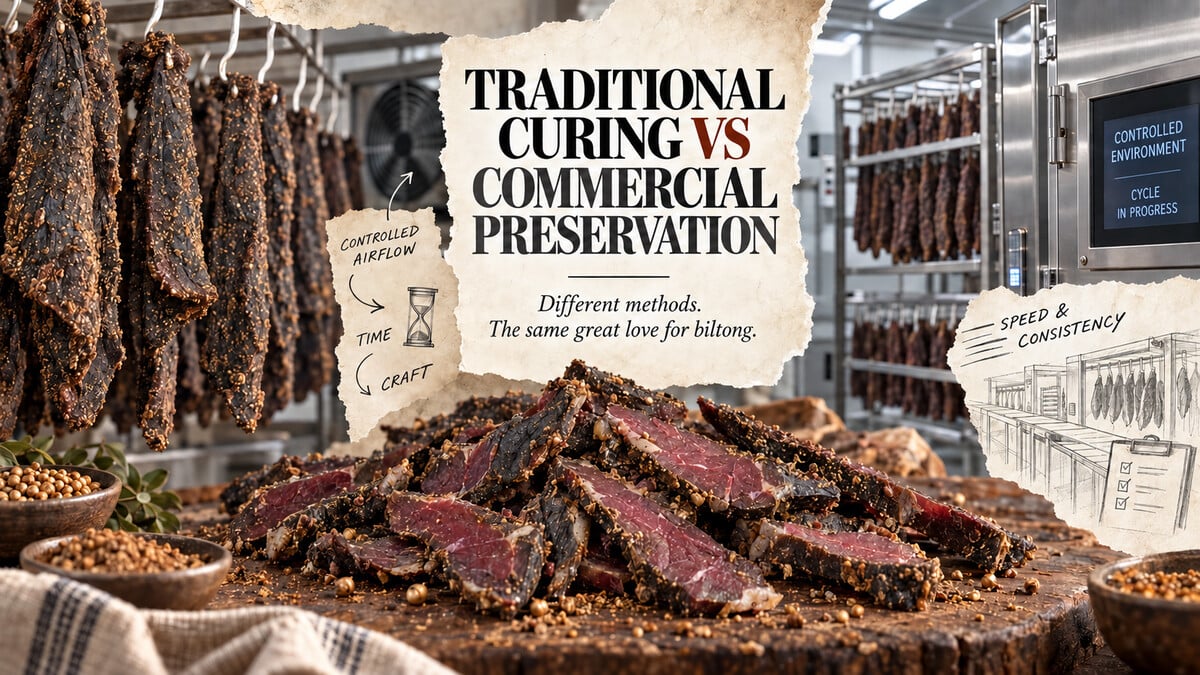
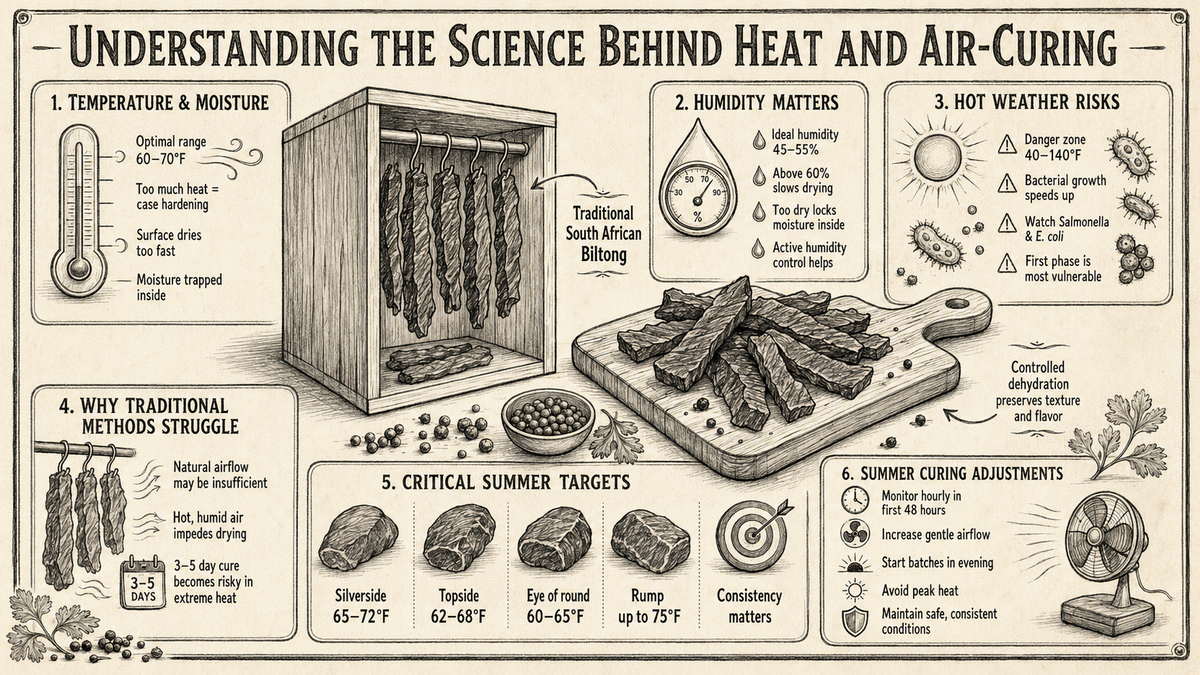
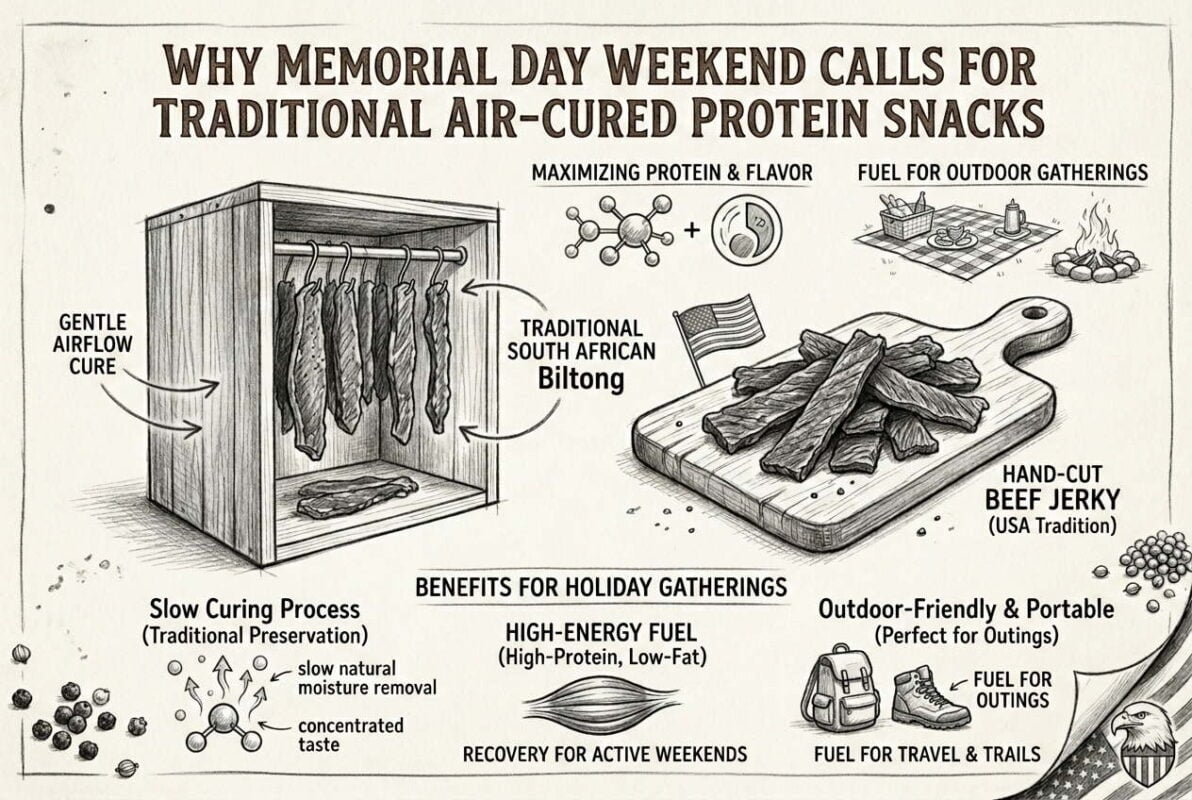
Traditional air-curing operates at gentle temperatures that preserve the integrity of natural fats rather than destroying them through high-heat processing. During the slow dehydration process, moisture is gradually removed while beneficial fats remain stable within the muscle fibers. This controlled environment maintains the fat’s natural structure and prevents oxidation that typically occurs with heat-based preservation methods.
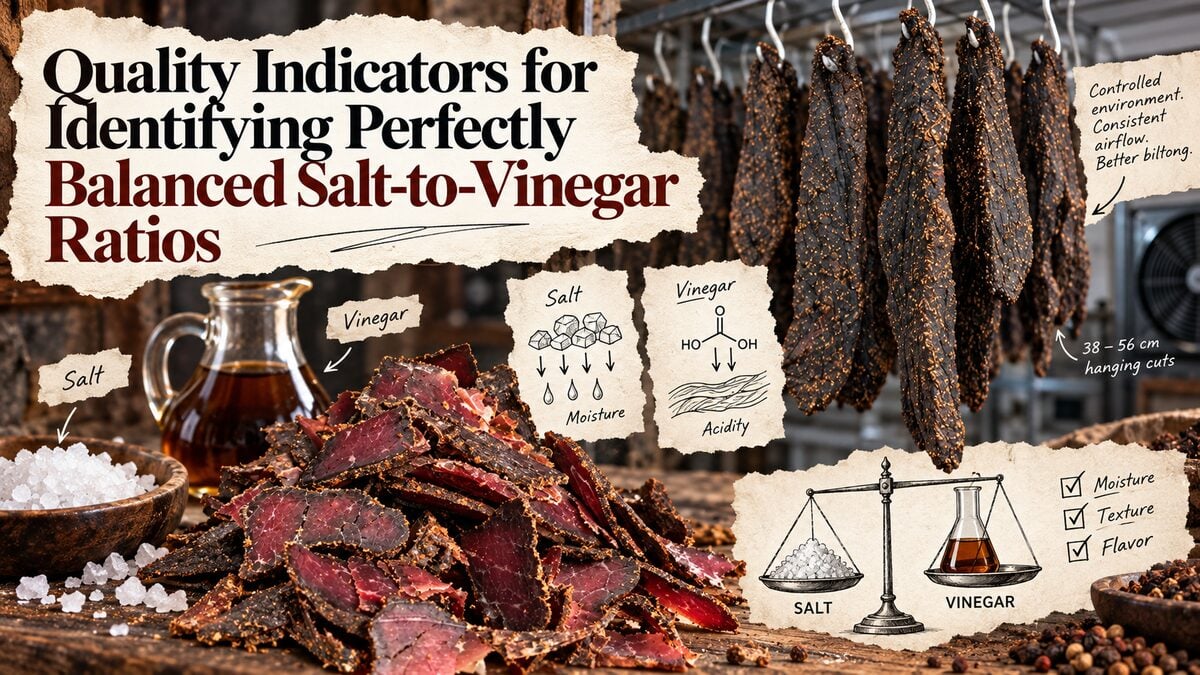
The vinegar and salt mixture used in traditional preparation creates an acidic environment that actually helps protect fats from rancidity during the curing process. These natural preservatives work synergistically with controlled airflow to remove moisture while maintaining the fat’s nutritional properties. The result is a concentrated protein source where fats contribute to both flavor complexity and nutritional density.
Quality beef cuts used for South African beef contain intramuscular fat that becomes concentrated as water content decreases, creating the characteristic texture and rich taste that distinguish authentic biltong from mass-produced alternatives.
Comparing Biltong Fat Content to Other Meat Snacks
Biltong typically contains 3-8% fat, depending on the cut and preparation method, which positions it favorably compared with other protein snacks. Commercial jerky often contains 2-10% fat but frequently includes artificial preservatives and processing aids that compromise its nutritional quality. The fat in biltong comes directly from the meat source without added oils or synthetic compounds.
Processed meat sticks and similar snacks may appear to have comparable fat levels, but often include mechanically separated meat and added fats that don’t provide the same nutritional benefits. These products typically undergo high-temperature processing that denatures beneficial compounds and creates less favorable fat profiles.
The natural fat distribution in properly prepared biltong provides essential fatty acids and fat-soluble vitamins that support various bodily functions. This makes choosing healthy beef snacks like biltong a more nutritionally complete option compared to heavily processed alternatives.
Understanding the Role of Quality Beef Cuts in Fat Distribution
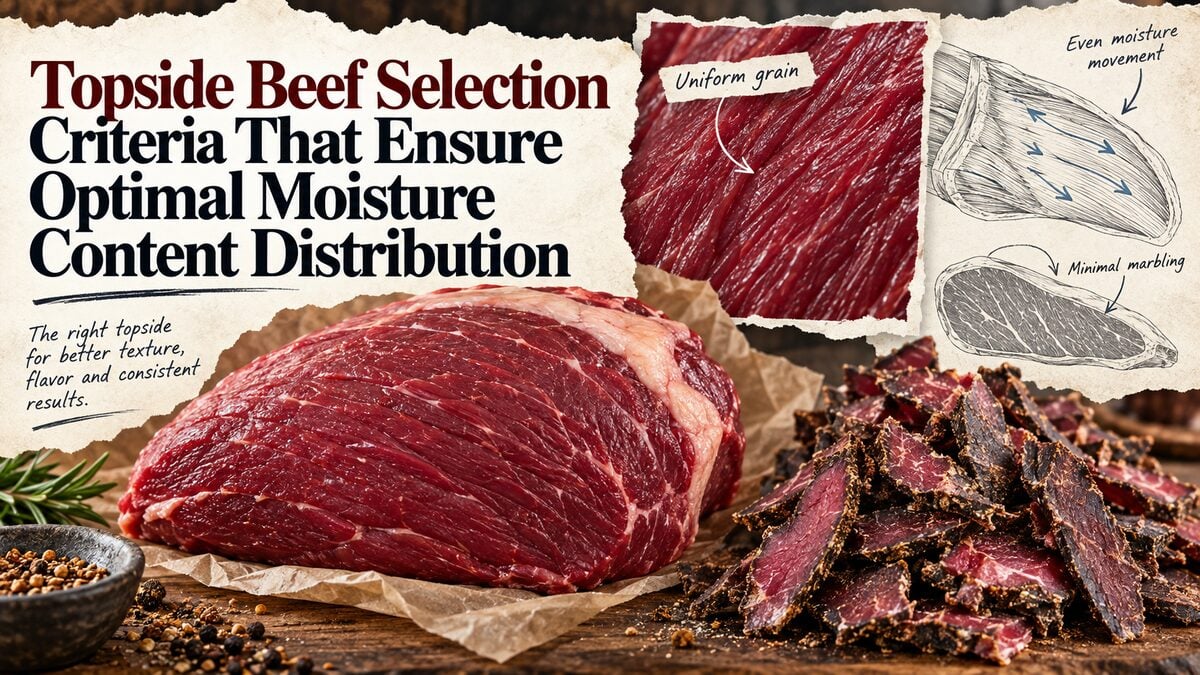
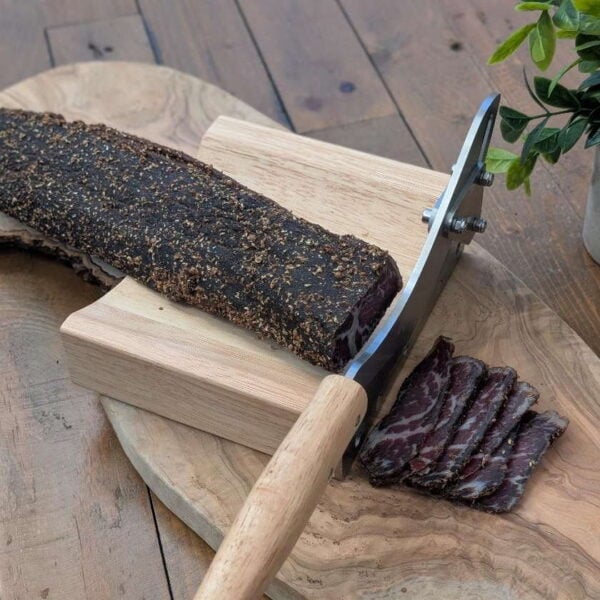 Premium cuts like silverside and topside naturally contain well-distributed intramuscular fat that contributes to biltong’s superior texture and nutritional profile. These cuts provide the ideal balance of lean protein and beneficial fats without excessive marbling that would create overly fatty end products.
The careful selection of beef cuts ensures consistent fat content across batches while maintaining the clean ingredient profile that health-conscious consumers expect. Quality sourcing means the natural fat content comes from grass-fed or well-managed cattle, resulting in better omega fatty acid profiles than conventionally raised alternatives.
Proper trimming techniques remove excess external fat while preserving the intramuscular fats that contribute to flavor and satiety. This selective approach creates products with optimal fat ratios that enhance rather than overwhelm the protein content.
Why Fat Content Varies Between Different Biltong Styles
Traditional wet biltong retains a slightly higher fat content due to shorter curing times, while dry biltong further concentrates fat through extended air-curing. These variations allow consumers to choose products that align with their specific nutritional goals and taste preferences.
Different spice blends and preparation methods can influence how fats are distributed and preserved during the curing process. Some traditional recipes include small amounts of ground coriander or other spices that may affect fat oxidation rates and final nutritional profiles.
Regional variations in preparation techniques create subtle differences in fat content and distribution, reflecting centuries of refinement in traditional air-curing methods. Understanding these variations helps consumers make informed choices about which biltong styles best support their daily nutrition goals.
Essential Fats Your Body Actually Needs
The Difference Between Good Fats and Bad Fats
Not all fats are created equal, and understanding this distinction makes all the difference in your daily nutrition. Healthy fats, particularly those found in naturally processed foods, provide essential fatty acids your body can’t produce on its own. These include omega-3 and omega-6 fatty acids that support everything from hormone production to cellular repair.
The traditional air-curing process used to create South African beef preserves these beneficial fats without the damaging effects of high-heat processing. Unlike processed snack foods loaded with trans fats and hydrogenated oils, biltong maintains the natural fat profile of quality beef cuts. This means you’re getting monounsaturated and saturated fats that actually support your health rather than compromise it.
Bad fats typically come from industrial processing methods that alter the molecular structure of natural fats. Think about the difference between a piece of air-cured meat and a mass-produced snack chip fried in vegetable oil. The processing method determines whether those fats become allies or enemies in your nutrition plan.
How Healthy Fats Support Energy and Brain Function
Your brain runs on fat. Seriously. About 60% of your brain tissue consists of fat, and the quality of fats you consume directly impacts cognitive function, mood regulation, and mental clarity. When you choose snacks with healthy fat content, you’re literally feeding your brain the building blocks it needs for optimal performance.
Healthy fats also provide sustained energy release. Unlike simple carbohydrates that spike blood sugar and crash within hours, fats offer steady fuel that keeps you satisfied longer. This is why high protein snacks that include natural fats create such effective satiety.
The fat-soluble vitamins (A, D, E, and K) require dietary fats for proper absorption. Without adequate healthy fats in your diet, your body can’t effectively utilize these critical nutrients, regardless of how many vitamin-rich foods you consume. This creates a nutritional gap that affects everything from immune function to bone health.
Why Athletes and Active People Benefit from Quality Fat Sources
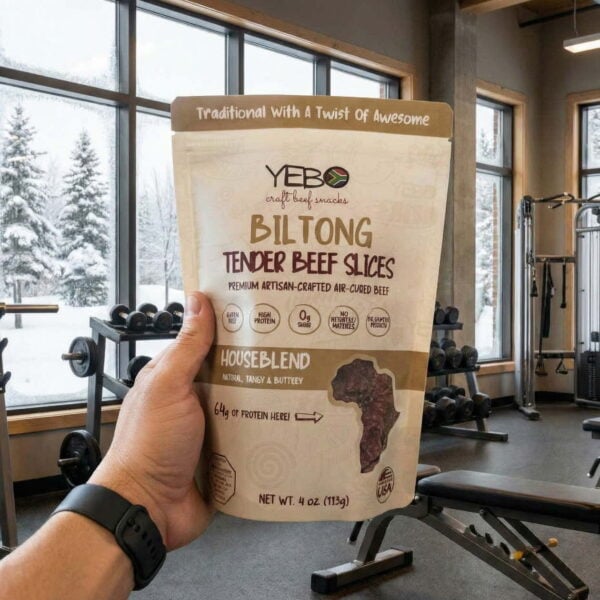 Active individuals have unique nutritional demands that make quality fat sources particularly valuable. During prolonged physical activity, your body shifts to fat metabolism to sustain energy production. Having readily available healthy fats in your system supports this metabolic flexibility and improves endurance performance.
Recovery becomes more efficient when your diet includes an appropriate amount of fat. The anti-inflammatory properties of certain fats help reduce exercise-induced inflammation and support muscle repair. For people living active lifestyles in places like Carlsbad, where outdoor activities are year-round pursuits, this recovery advantage makes a real difference in consistency and performance.
Hormone production also depends heavily on dietary fats. Testosterone, growth hormone, and other anabolic hormones require cholesterol and healthy fats as raw materials. Athletes who restrict fats too severely often experience decreased performance, slower recovery, and compromised hormonal balance. The moderate fat content in properly prepared biltong provides these essential building blocks without excess.
Breaking Down the Nutritional Value of Biltong Fats
Traditional air-cured biltong contains approximately 6-8 grams of fat per ounce, with the majority coming from beneficial monounsaturated and saturated fats. This fat content works synergistically with the high protein content to create exceptional nutritional density. You’re getting essential fatty acids, complete proteins, and important minerals in a naturally preserved format.
The fat profile of quality biltong reflects the nutritional profile of grass-fed beef, which contains higher levels of omega-3 fatty acids than grain-fed alternatives. This creates a more favorable omega-6-to-omega-3 ratio, supporting reduced inflammation and better overall health outcomes. When you compare this to heavily processed snack foods, the difference becomes immediately apparent.
Consider how this applies to smart snacking when you’re surrounded by options loaded with inflammatory fats and added sugars. Choosing snacks with naturally occurring, beneficial fats helps maintain energy stability while supporting your long-term health goals. The fat content in properly made biltong isn’t something to avoid but rather to appreciate as part of a complete nutritional package that supports sustained energy, satiety, and overall wellness.
Making Biltong Work for Your Daily Nutrition Goals
Incorporating Biltong into Low-Carb and Keto Lifestyles
The fat content in South African beef makes it remarkably well-suited for low-carb and ketogenic eating patterns. Unlike many protein snacks that rely on added sugars or high-carb coatings, traditional biltong contains virtually zero carbohydrates while delivering both protein and beneficial fats.
For those following keto macros, biltong fits perfectly into the 70-75% fat, 20-25% protein, and 5-10% carbohydrate breakdown. The natural fat content helps you reach daily fat targets without artificial additives or processed oils. A typical 30-gram serving provides roughly 15-18 grams of protein and 3-5 grams of fat, creating an ideal ratio for sustained ketosis.
The air-curing process concentrates these nutrients naturally, without the need for additional fats or oils that could disrupt your macro balance. This makes biltong particularly valuable for people in Carlsbad who lead active lifestyles while adhering to strict dietary protocols.
Perfect Portion Sizes for Different Activity Levels
Your activity level directly influences how effectively biltong supports your daily nutrition goals. For sedentary individuals or those with desk jobs, a 25-30 gram portion (about the size of your palm) provides adequate protein and fat to bridge meals without excess calories.
Moderately active people who walk regularly or do light workouts benefit from 40-50 gram servings, particularly when consumed post-exercise. The combination of protein and fat supports muscle recovery while helping maintain stable blood sugar levels throughout the day.
Athletes and highly active individuals in Escondido’s fitness community often require 60-80 grams of protein, especially when using biltong as a pre-workout fuel source. The fat content provides slow-burning energy, while the protein supports ongoing muscle protein synthesis during extended training sessions.
Rather than eating large portions at once, consider splitting your daily biltong intake across 2-3 smaller servings. This approach maximizes nutrient absorption and helps maintain steady energy levels throughout your day.
Timing Your Biltong Consumption for Maximum Benefits
Strategic timing amplifies biltong’s nutritional benefits and helps optimize your body’s fat utilization. The morning hours present an ideal window, particularly for those practicing intermittent fasting. Breaking your fast with biltong provides immediate protein, while its fat content helps your body transition from fasting to a fed state gradually.
Pre-workout consumption (30-45 minutes before exercise) leverages biltong’s fat content for sustained energy without the digestive stress of heavier meals. The protein begins entering your bloodstream during your workout, supporting performance and early recovery phases.
Post-workout timing within 2 hours maximizes the anabolic window when your muscles most efficiently utilize protein for repair and growth. The fat content doesn’t interfere with protein absorption but actually supports the uptake of fat-soluble vitamins that aid recovery.
Evening consumption works well for meal replacement or late-night snacking, as the combination of protein and fat promotes satiety without spiking blood sugar before sleep. This timing pattern supports overnight muscle recovery while maintaining stable glucose levels.
Balancing Biltong with Other Protein Sources
While biltong provides excellent nutritional density, balancing it with complementary protein sources creates a more complete nutritional profile. Fish and seafood offer omega-3 fatty acids that complement biltong’s primarily saturated and monounsaturated fats, creating better overall fat balance.
Plant-based proteins like nuts, seeds, and legumes provide different amino acid profiles and additional micronutrients. When you incorporate protein snacks throughout your day, including both animal and plant sources maximizes nutritional diversity.
Dairy proteins work synergistically with biltong because their different digestion rates create sustained amino acid availability. Greek yogurt or cottage cheese paired with biltong provides both fast and slow-digesting proteins, supporting extended muscle protein synthesis.
The key lies in viewing biltong as one component of your protein rotation rather than your sole source. This approach ensures you receive a variety of nutrients while leveraging biltong’s unique benefits: convenience, shelf stability, and a superior amino acid profile. For optimal results, aim to source 30-40% of your daily protein from biltong while filling the remainder with complementary sources that support your specific health and fitness goals.
Choosing the Right Biltong for Your Needs
Reading Labels: What Fat Percentages Really Mean
When you pick up a package of biltong, the nutrition label tells a story about quality and processing methods. Fat percentages typically range from 3% to 15%, but these numbers need context to make sense for your dietary goals.
Traditional air-curing methods naturally concentrate nutrients while removing moisture, which means the fat content you see reflects the original cut of meat. A 10% fat content in biltong doesn’t mean the same thing as 10% fat in processed jerky. The fat in properly air-cured South African beef comes from the natural marbling of high-quality cuts, not from added oils or artificial fats.
Look for labels showing protein-to-fat ratios of around 3:1 or 4:1. This indicates lean cuts that were properly trimmed before the traditional curing process. Quality producers will also list the specific cut used (such as silverside or topside), giving you insight into the fat content to expect.
The key difference lies in fat quality. Traditional biltong contains naturally occurring saturated and monounsaturated fats that your body recognizes and processes efficiently, unlike the hydrogenated oils found in many commercial snacks.
Lean vs. Traditional Cut Biltong: Which is Right for You
Lean biltong (typically 3-6% fat) works perfectly for strict macro tracking or weight management goals. These cuts come from muscles like eye of round or silverside, where natural fat content stays minimal even after the concentration effect of air-curing.
Traditional cut biltong (8-15% fat) offers richer flavor and better satiety for everyday snacking. The additional fat helps slow digestion, keeping you satisfied longer between meals. This makes traditional cuts ideal for busy professionals in Carlsbad who need sustained energy throughout long workdays.
Consider your activity level when choosing. Endurance athletes often prefer lean cuts for quick protein absorption, while those using biltong as a meal replacement benefit from the staying power of traditional cuts. The natural fats in traditional biltong also enhance the absorption of fat-soluble vitamins.
Texture differs significantly too. Lean cuts tend to be firmer and require more chewing, which some people find more satisfying. Traditional cuts offer a more tender bite with complex flavor development from the natural fat marbling.
Quality Indicators in Premium South African Biltong
Premium biltong exhibits specific visual and textural characteristics that indicate proper traditional air-curing and a high fat content. The surface should have a consistent color without dark spots or white mold, suggesting controlled moisture removal and proper fat distribution.
Quality biltong feels firm but not brittle when you bend it. The fat should be evenly distributed throughout the meat, not separated or pooled on the surface. This even distribution results from using whole-muscle cuts rather than reformed meat products.
Ingredient lists on quality biltong remain surprisingly short. Look for salt, coriander, vinegar, and perhaps black pepper. Avoid products with preservatives, artificial flavoring, or added sugars, which often mask inferior meat quality or improper curing methods.
The aroma should be clean and slightly tangy from the vinegar used in traditional preparation. Any off odors or excessive saltiness usually indicate rushed processing or lower-quality starting materials. Premium producers maintain consistent fat ratios across batches because they control their supply chain and curing environment.
If you’re uncertain about quality indicators, check the frequently asked questions section for specific details about production methods and ingredient sourcing.
Storage Tips to Maintain Nutritional Value
Proper storage protects both the protein content and beneficial fats in your biltong investment. Store opened packages in kraft paper bags at room temperature and refrigeration in humid environments.
Keep biltong away from direct sunlight and heat sources. Natural fats can become rancid when exposed to UV light or high temperatures, destroying both flavor and nutritional value. A pantry or desk drawer works perfectly for daily access.
Vacuum-sealed packages maintain quality for months when unopened, but once opened, consume within two weeks for optimal nutritional value. The natural fat content helps preserve the meat, but exposure to air gradually affects both taste and nutrient density.
For long-term storage, freeze portions in small containers. The low moisture content means biltong thaws quickly without texture changes. This method works especially well when you shop in bulk for better value while maintaining freshness.
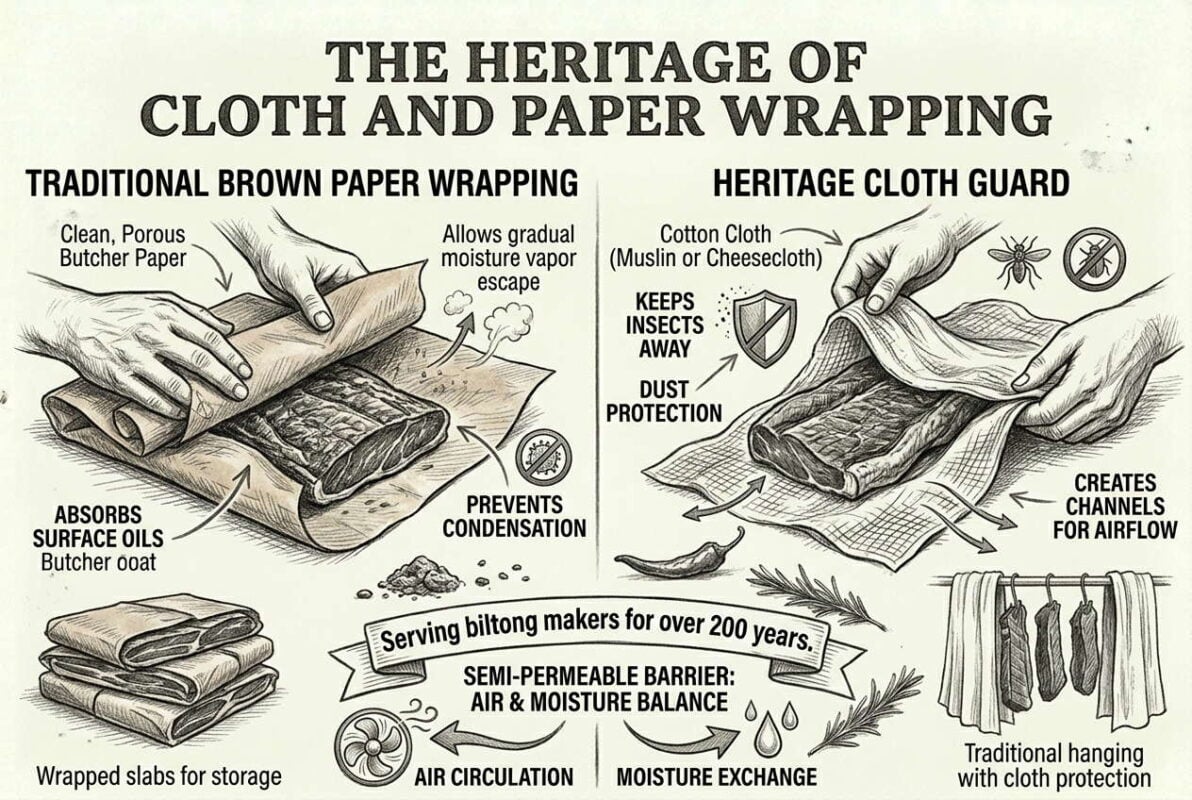
Avoid storing biltong in plastic bags after opening, as trapped moisture can affect the carefully controlled moisture content that makes traditional air-curing so effective at preserving nutrients naturally.
Common Myths About Fat in Meat Snacks
Debunking the ‘All Fat is Bad’ Misconception
The fear of fat in food runs deep in American dietary culture, but this blanket avoidance ignores decades of nutritional science. Not all fats are created equal, and the natural fats found in South African beef represent some of the most beneficial types your body needs.
Traditional air-curing preserves the natural fat composition of high-quality beef cuts. These fats contain essential fatty acids that your body cannot produce on its own. Unlike the trans fats found in processed snacks or the heavily refined oils in commercial products, biltong retains the original fat profile of grass-fed beef.
The misconception stems from outdated dietary guidelines that group all fats together. Modern nutrition research clearly distinguishes between harmful industrial fats and beneficial natural fats. When you choose traditionally air-cured meat snacks, you’re getting fats that support hormone production, nutrient absorption, and cellular function.
For active individuals in Carlsbad and Escondido, these natural fats provide sustained energy without the blood sugar spikes associated with carbohydrate-heavy snacks. The fat content in biltong, alongside its high protein content, creates lasting satiety.
Why Processed Snack Fats Differ from Natural Biltong Fats
Walk through any convenience store snack aisle, and you’ll find products loaded with partially hydrogenated oils, palm oil, and other industrial fats designed for shelf stability rather than nutrition. These processed fats undergo chemical modifications that create inflammatory compounds in your body.
Traditional air-curing methods preserve the natural fat structure without chemical alteration. The gentle drying process maintains the integrity of beneficial compounds like conjugated linoleic acid (CLA), which supports metabolism and may have anti-inflammatory properties.
Commercial jerky often uses lean cuts treated with artificial preservatives and flavor enhancers, then coated with sugary marinades. This processing strips away beneficial fats while adding unnecessary additives. Authentic biltong production uses fattier cuts like silverside, where the natural marbling contributes to both flavor and nutrition.
The difference becomes clear when you examine ingredient lists. Mass-produced meat snacks often contain vegetable oils, corn syrup, and artificial flavors. Traditional biltong contains beef, salt, coriander, and vinegar. The natural fats come directly from the meat itself, not from added processing oils.
Understanding Cholesterol in Traditional Cured Meats
Cholesterol fears have dominated nutritional discussions for decades, but recent research reveals a more nuanced picture. Dietary cholesterol has minimal impact on blood cholesterol levels for most people, and the cholesterol found in quality meat provides essential building blocks for hormones and cell membranes.
Traditional air-curing doesn’t add cholesterol to the meat; it simply concentrates what’s naturally present by removing moisture. The cholesterol in biltong is accompanied by other nutrients that support cardiovascular health, including potassium and B vitamins.
The key lies in understanding the types and sources of cholesterol. The oxidized cholesterol found in heavily processed foods can cause inflammation, whereas the natural cholesterol in traditionally prepared meats serves important biological functions. Quality matters more than quantity when evaluating cholesterol intake.
For individuals managing cholesterol levels, portion control and overall dietary patterns matter more than eliminating specific foods. A small serving of nutrient-dense biltong fits easily into heart-healthy eating plans, especially when used to replace processed snacks high in refined carbohydrates and industrial oils.
Separating Marketing Claims from Nutritional Facts
Food marketing creates confusion around fat content through misleading claims and selective information. “Low-fat” doesn’t automatically mean healthy, especially when fat is removed, and sugar, salt, or artificial ingredients are added to maintain palatability.
Many commercial meat snacks marketed as “healthy” contain added sugars that far exceed their natural fat content in terms of potential health impact. These products prey on fat-phobic consumers while delivering ingredients that actually contribute to metabolic dysfunction.
Authentic biltong doesn’t need marketing gimmicks because its nutritional profile speaks for itself. The natural fat content provides satiation, flavor, and essential nutrients without requiring artificial enhancement. When evaluating any meat snack, look beyond the front-of-package claims to examine the actual ingredients and nutritional facts.
The most reliable way to assess the benefits of fat content involves understanding the source and processing method. Naturally occurring fats in minimally processed, traditionally prepared foods offer advantages that industrial fat replacements cannot match. Quality traditional air-curing creates a product in which every component, including the natural fats, contributes to its overall nutritional value.
Building Healthy Snacking Habits with Biltong
Creating Balanced Adventure Snack Combinations
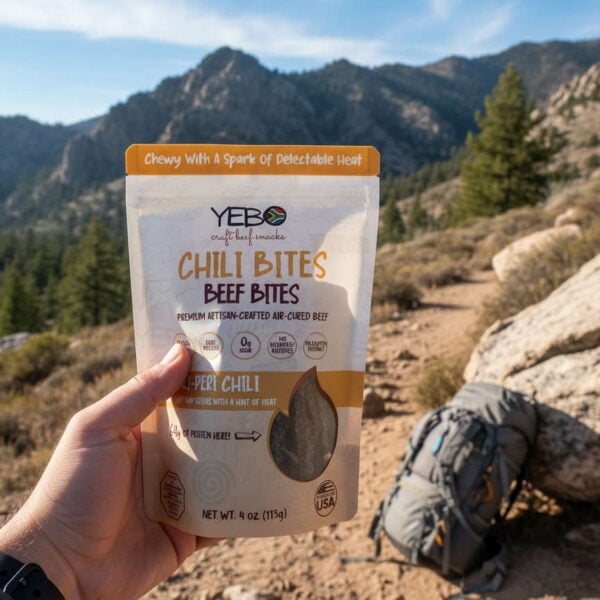
Hiker enjoying YEBO Peri-Peri Chili Bites with a rugged mountain landscape in the background.
The rich fat content in biltong makes it an ideal anchor for balanced snack combinations that sustain energy during long hikes or outdoor adventures around Carlsbad’s scenic trails. Unlike processed snacks that spike blood sugar and leave you crashing, biltong’s natural fats work synergistically with other whole foods to create lasting satisfaction.
Pair biltong with fresh fruit for the perfect balance of healthy fats, protein, and natural sugars. The combination of biltong’s saturated and monounsaturated fats helps slow the absorption of fruit sugars, preventing energy spikes and crashes. Try combining strips of South African beef with apple slices or berries for a snack that delivers sustained energy without the artificial additives found in commercial trail mixes.
For longer adventures, combine biltong with nuts and seeds to amplify the healthy fat content while adding fiber and micronutrients. The natural air-curing process preserves biltong’s nutritional integrity, making it a superior choice compared to heavily processed jerky alternatives that often contain inflammatory oils.
Meal Prep Ideas Using Biltong as a Protein Base
Incorporating biltong’s beneficial fat content into weekly meal prep transforms how you approach convenient nutrition. The traditional air-curing methods create a shelf-stable protein source that doesn’t require refrigeration, making it perfect for grab-and-go meals throughout busy weeks in San Diego County.
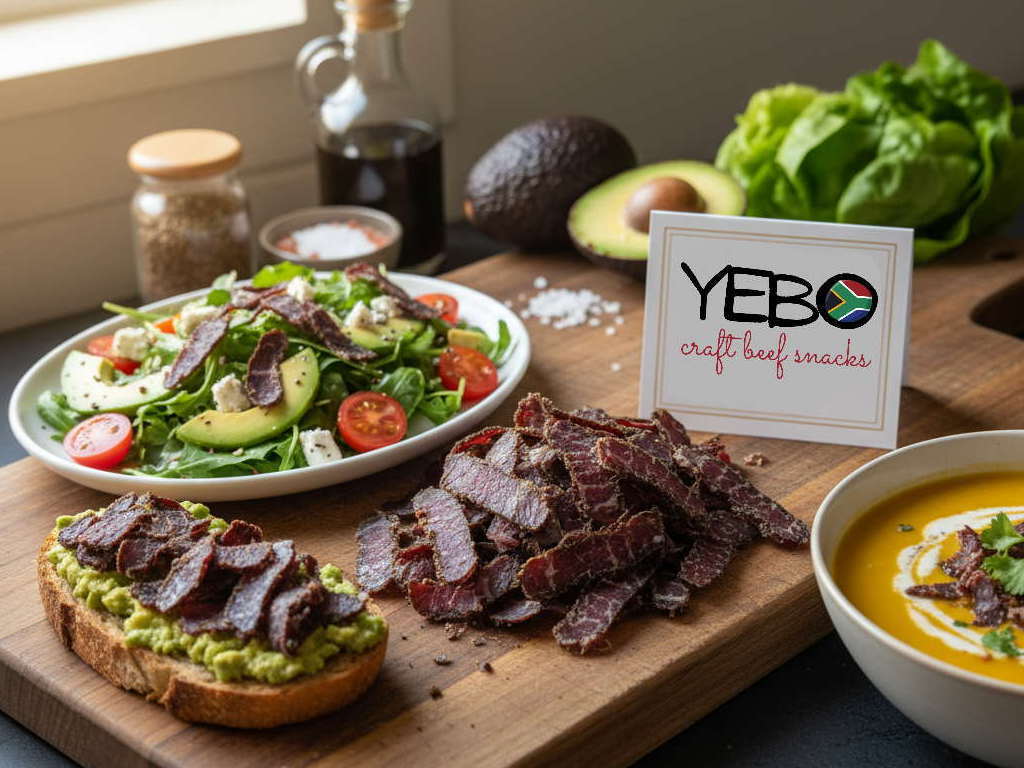
Create protein-rich salad jars by layering chopped biltong with leafy greens, avocado, and a simple olive oil vinaigrette. The natural fats in both the biltong and avocado enhance absorption of fat-soluble vitamins from the vegetables, creating a nutritionally superior meal that stays fresh for days without wilting.
For breakfast prep, combine crumbled biltong with eggs in breakfast muffins or frittatas. The complementary fat profiles create a satisfying morning meal that maintains stable blood sugar levels through mid-morning. Unlike processed breakfast meats filled with preservatives, biltong adds clean protein and healthy fats that support sustained energy.
Biltong also works beautifully in grain bowls, where its rich umami flavor enhances quinoa or brown rice. The natural fats help increase satiety while the complete amino acid profile supports muscle recovery and maintenance.
Smart Snacking Strategies for Busy Lifestyles
Understanding biltong’s fat content helps you develop smarter snacking strategies that align with hectic schedules. The combination of protein and healthy fats creates genuine satiety, reducing the urge to reach for processed snacks that provide empty calories and leave you hungrier within an hour.
Keep individual portions of biltong in your car, office desk, or gym bag for moments when hunger strikes unexpectedly. The natural preservation through traditional air-curing means biltong maintains its nutritional quality without refrigeration, unlike many protein-rich alternatives that spoil quickly or require artificial preservatives.
Time your biltong consumption strategically around workouts or demanding periods. The natural fats provide sustained energy while the complete protein supports muscle recovery. This makes biltong particularly valuable for active professionals in Escondido who need convenient nutrition without compromising their health goals.
Consider the timing of fat consumption throughout your day. Biltong’s natural fat content makes it an excellent afternoon snack that prevents the energy crash many people experience between lunch and dinner, helping maintain productivity without reaching for sugary alternatives.
Teaching Kids About Quality Nutrition Through Traditional Foods
Introducing children to biltong creates opportunities to discuss how traditional food preparation methods often yield superior nutritional value compared to modern processed alternatives. The visible simplicity of ingredients helps kids understand what real food looks like, in sharp contrast to the lengthy ingredient lists on commercial snacks.
Explain how the natural air-curing process concentrates nutrients without destroying them through high-heat processing. Children can understand that biltong’s beneficial fats come directly from grass-fed cattle, not from added oils or artificial sources common in processed snacks.
Create family snack times that emphasize the satisfaction provided by quality fats and proteins. When children experience how biltong keeps them satisfied longer than processed alternatives, they begin developing an intuitive understanding of nutritional quality that serves them throughout life.
Use biltong as a gateway to discussing traditional food cultures and how different societies developed methods to preserve and enhance nutrition. This broader context helps children appreciate quality ingredients and traditional preparation methods in an age of ultra-processed convenience foods.
Building these healthy snacking habits with high-quality options like traditional biltong sets the foundation for lifelong wellness. The combination of superior nutrition, convenience, and authentic flavor makes incorporating biltong into daily routines both practical and enjoyable, supporting your family’s health goals while honoring time-tested food traditions.