Blog
Biltong Fits Modern Wellness Goals

Wellness has changed. It is no longer about extremes, rigid rules, or chasing perfection. Modern wellness is quieter and more personal. It is about feeling good in your body, having energy that lasts, and building habits that fit into real life. People want to enjoy food again without feeling like every bite comes with a trade-off. They want flavor without guilt, nourishment without obsession, and choices that support their goals rather than complicate them.
This shift in mindset has changed how people think about snacks in particular. Snacks used to be viewed as indulgences or shortcuts, something to enjoy quickly and then feel bad about later. Today, snacks are increasingly seen as part of daily nutrition, something that can either support wellness or quietly undermine it. The difference lies in what those snacks are made of and how they make you feel after you eat them.
This is where biltong fits naturally into the modern wellness conversation. It is bold and satisfying, yet simple and clean. It delivers rich flavor without relying on sugar or heavy processing. It feels indulgent, but it supports balance rather than excess. For people who want to enjoy food while still honoring their health, biltong offers something rare: flavor without guilt.
After years of diet culture swinging between restriction and overindulgence, many people are tired of foods that promise wellness but deliver disappointment. Protein bars that taste like candy. Snacks labeled healthy that still spike blood sugar. Meals that leave you hungry an hour later. These experiences have created a new awareness. Wellness is not about what a food claims to be. It is about how it actually supports your body.
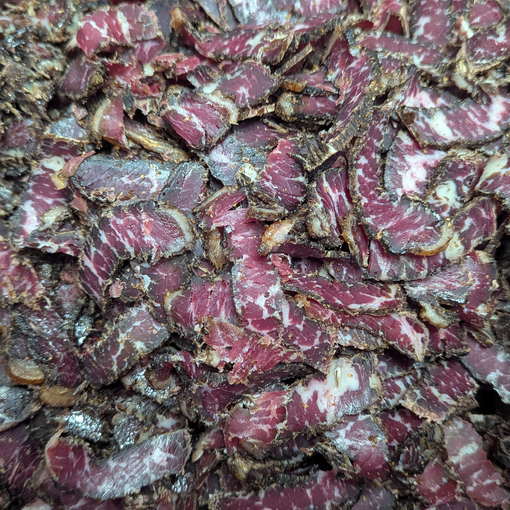
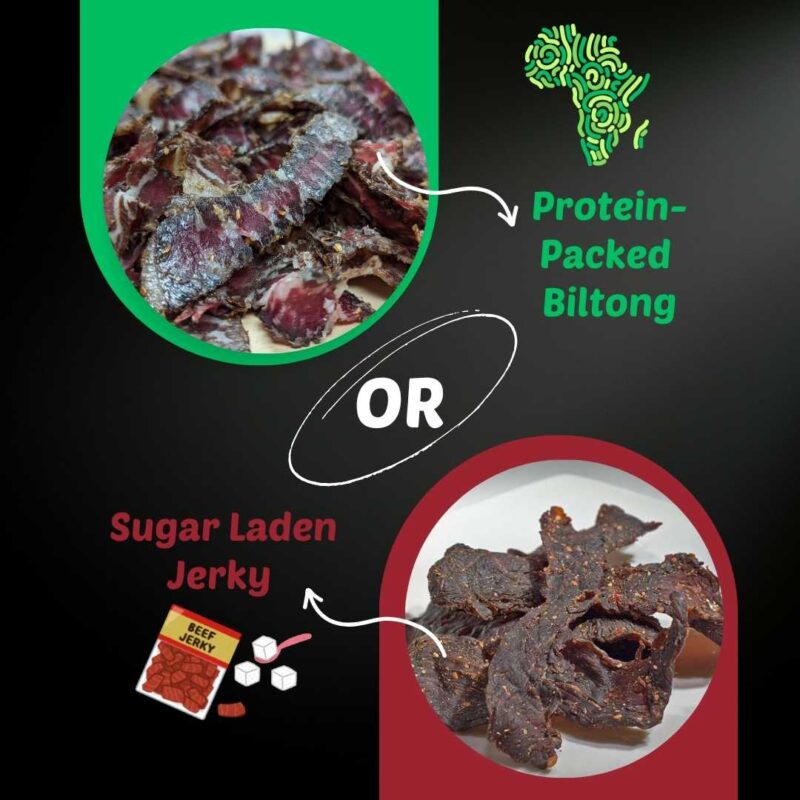
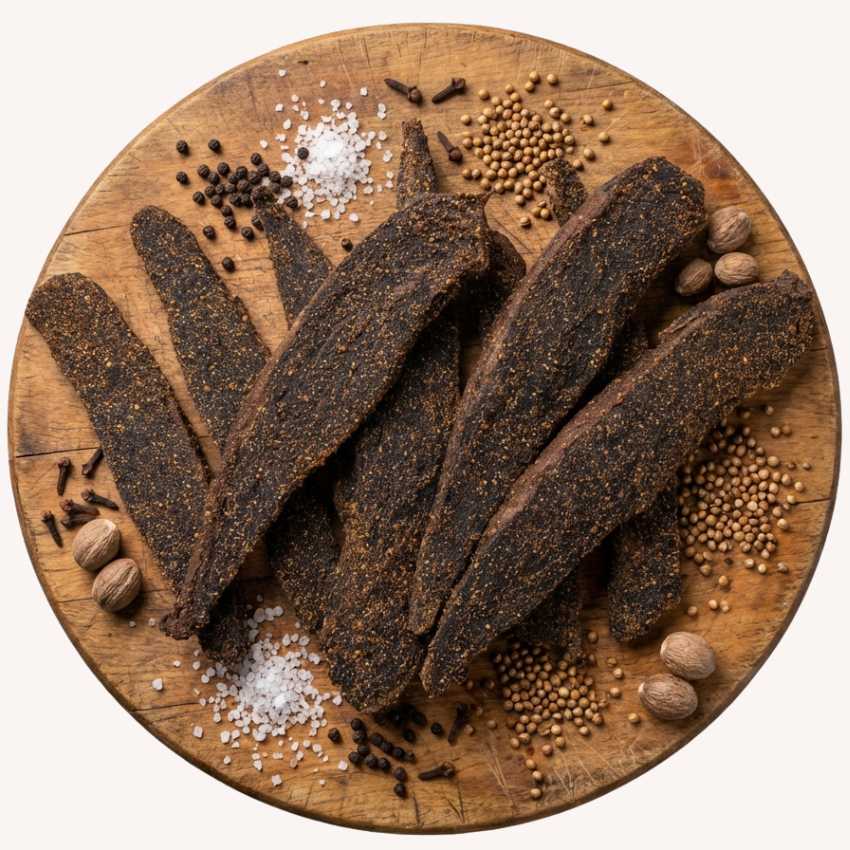
Biltong stands apart because it does not need a health halo. It is simply real food. Beef, seasoned traditionally, air dried slowly, and left largely untouched. Zero sugar. No artificial flavoring. No unnecessary fillers. When wellness is defined by simplicity and nourishment, this kind of food becomes incredibly appealing.
One of the core pillars of modern wellness is sustainability. Not environmental sustainability alone, but personal sustainability. Can you maintain this habit long-term? Can you enjoy it without burnout? Can it coexist with celebrations, busy schedules, and real life?
Many wellness trends fail this test because they ask too much. They require constant tracking, preparation, or self-control. Biltong works because it asks very little. It fits seamlessly into daily life. It can be eaten anywhere. It does not require planning or cleanup. It satisfies hunger quickly and effectively.
This ease is not a small detail. In modern wellness, the most effective habits are the ones that survive busy days, stressful weeks, and changing routines. Biltong survives all of them because it does not demand perfection. It simply supports consistency.
Another defining feature of modern wellness is the move away from sugar dependence. More people are becoming aware of how sugar affects energy, mood, sleep, and cravings. The issue is not occasional sweetness, but the constant presence of sugar in everyday snacks. It sneaks into protein bars, yogurt, sauces, and even savory foods.
Biltong avoids this entirely. Its flavor comes from the meat itself and the spices used to season it. The satisfaction it provides is deep and lasting, not sharp and fleeting. When people replace sugary snacks with protein-rich options like biltong, they often notice immediate changes. Energy becomes steadier. Cravings soften. Hunger becomes more predictable.
This is not about cutting joy out of eating. It is about choosing foods that deliver satisfaction without triggering cycles of highs and lows. Flavor without guilt means enjoying what you eat and feeling good afterward. Biltong does exactly that.
Protein has become a cornerstone of modern wellness for good reason. It supports muscle, metabolism, satiety, and overall health. Yet many people struggle to incorporate enough protein throughout the day, especially between meals. Breakfast and dinner may include protein, but snacks often fall short.
When snacks lack protein, hunger returns quickly, and portions tend to increase later. This pattern can create frustration and self-blame, even though the issue is simply a nutrient imbalance. Protein rich snacks change that dynamic. They extend fullness and reduce the urge to overeat.
Biltong excels as a protein snack because it delivers a high protein content in a small portion. You do not need much to feel satisfied. This efficiency aligns perfectly with wellness goals that focus on balance rather than volume. You eat enough to feel good, then you move on with your day.
Modern wellness also emphasizes mental clarity and emotional balance. Food plays a larger role here than many people realize. Fluctuating blood sugar can lead to irritability, anxiety, and brain fog. When energy crashes, patience often follows.
Protein helps stabilize these fluctuations. When snacks include sufficient protein, the brain receives a steadier supply of fuel. Focus improves. Mood stabilizes. The day feels more manageable.
People who incorporate biltong into their routine often describe this shift as subtle but powerful. They are not wired or overstimulated. They are simply steady. That steadiness is at the heart of modern wellness. It allows people to show up more fully for work, relationships, and themselves.
Another important element of wellness today is flexibility. Rigid plans are being replaced by adaptable frameworks. People want foods that can move with them, not tie them down. Biltong fits this need perfectly.

Places to enjoy biltong, especially on a hiking adventure
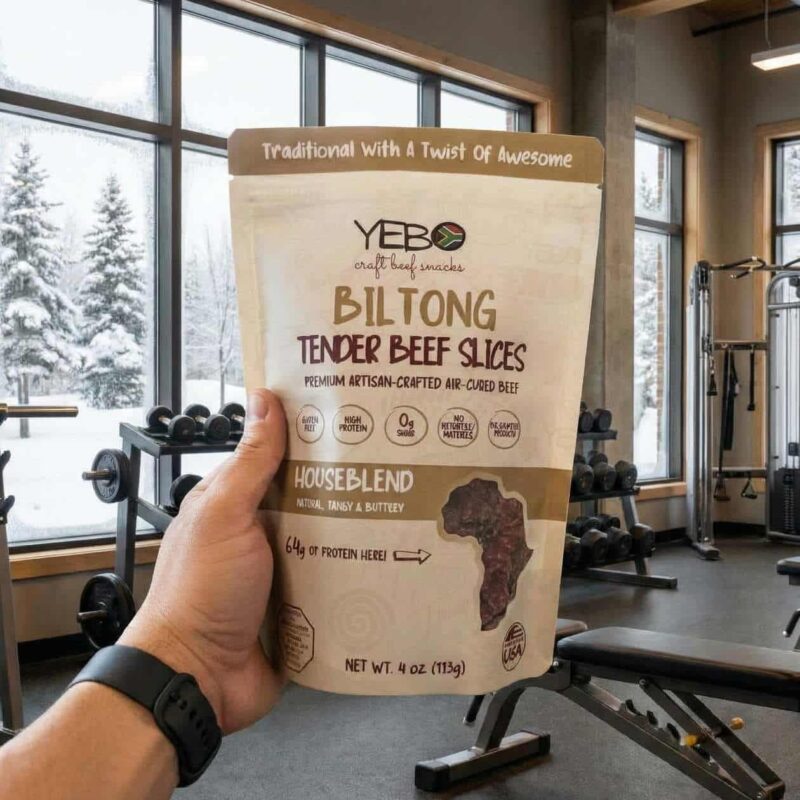
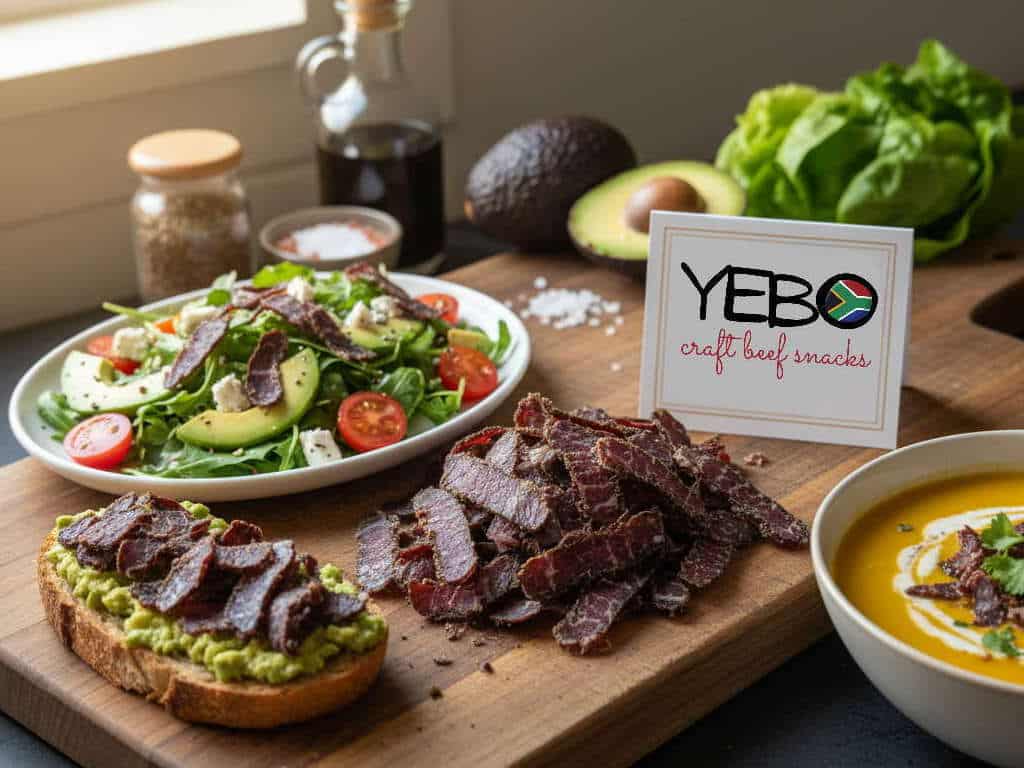
It works at a desk, in a gym bag, on a hike, during travel, or between meetings. It pairs well with meals or stands alone as a snack. It fits into many dietary approaches without forcing adherence to labels. Low-carb, high-protein, whole-food-focused, or simply mindful eating, biltong complements them all.
This flexibility reduces stress around food choices. When you know you have a reliable option available, you stop worrying about what you will eat later. That mental freedom is a form of wellness in itself.
There is also a growing appreciation for foods with heritage and craft. Modern wellness is not just about nutrients, but about connection. People want to know where their food comes from and how it is made. They value traditions that prioritize patience and care over speed and scale.
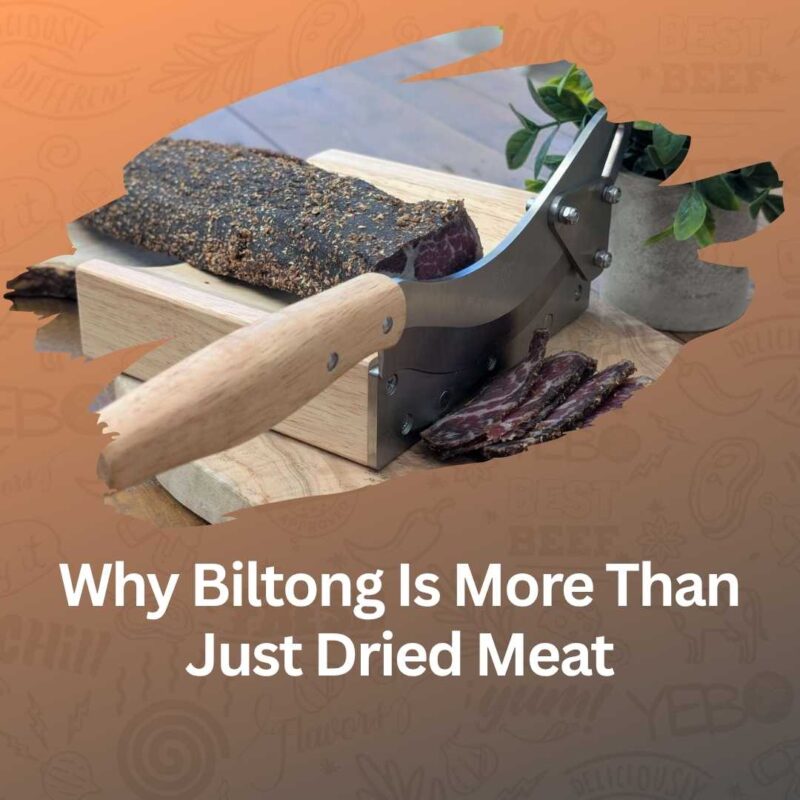
Biltong carries that sense of tradition. Its preparation relies on time, air, and simple ingredients. It is not rushed. That care shows up in both flavor and texture. Eating biltong feels intentional, even when it is casual. It reminds people that good food does not need to be complicated to be meaningful.
Guilt often enters the food conversation when enjoyment and health feel like opposites. Modern wellness challenges that idea. It recognizes that pleasure is part of nourishment. Foods that are deeply satisfying help prevent overeating and reduce obsession.
Biltong offers pleasure through flavor and texture rather than sugar or additives. It satisfies cravings for something savory, rich, and substantial. That satisfaction allows people to enjoy their food fully without feeling the need to keep searching for more.
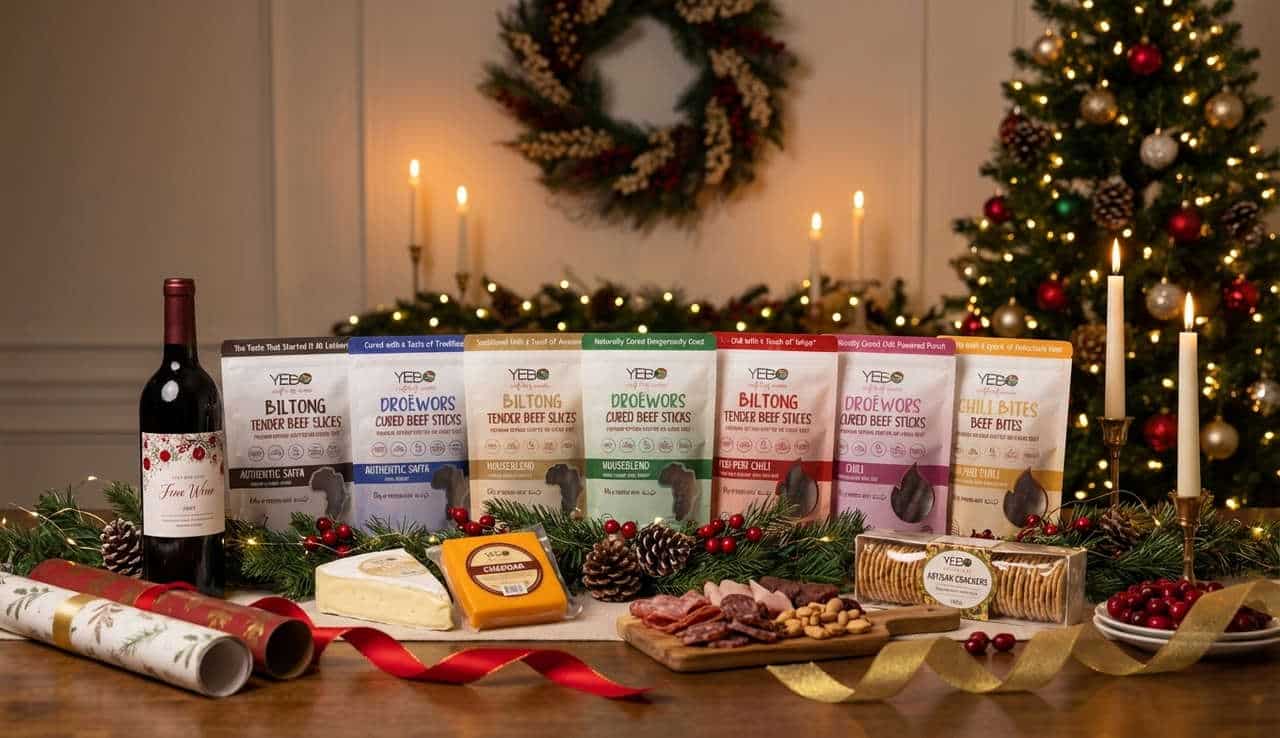
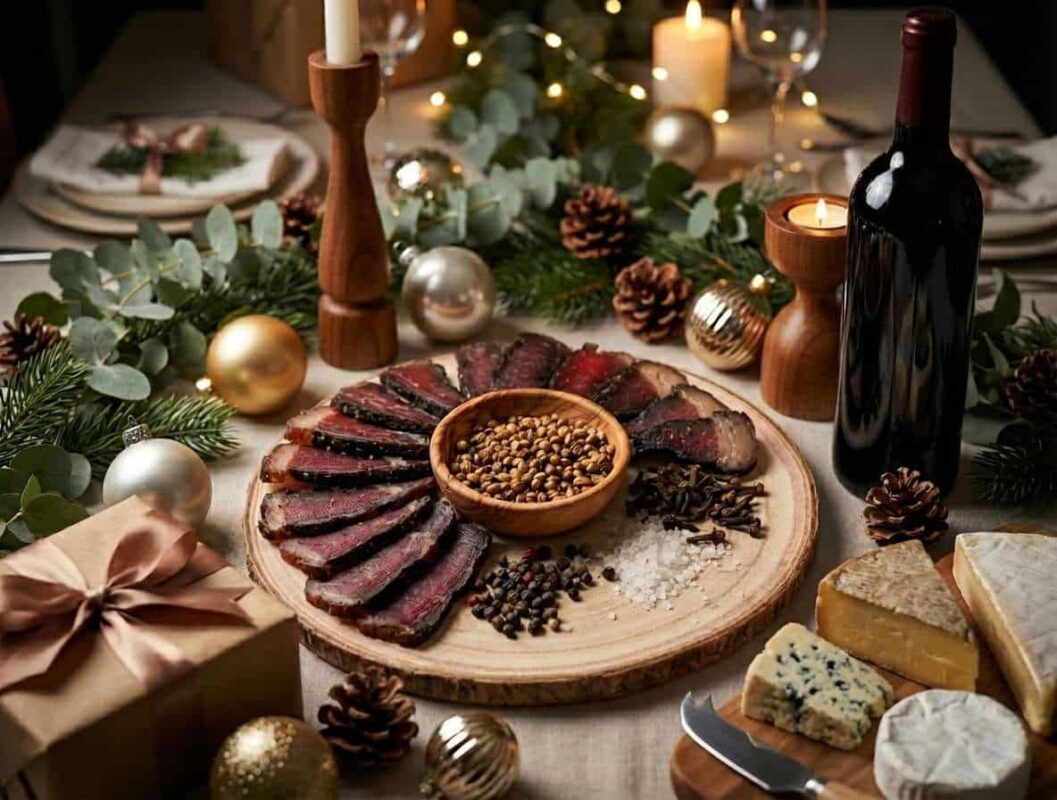
This is especially important during times when indulgence is common, such as holidays, travel, or busy seasons. Having a snack that feels indulgent but supports balance helps people stay grounded without feeling deprived. Biltong becomes a bridge between enjoyment and intention.
Modern wellness also acknowledges that bodies are different and goals vary. Some people focus on fitness. Others prioritize energy or digestion. Some want convenience. Others want to reduce processed foods.
Biltong meets all of these goals in different ways. For active individuals, it supports muscle recovery and sustained energy. For busy professionals, it provides quick nourishment without disruption. For those focused on digestion, its simple ingredient list reduces discomfort. For anyone trying to eat less processed food, it offers a straightforward alternative.
This versatility is why biltong continues to gain traction beyond its cultural roots. It speaks to a broader desire for food that is honest, effective, and enjoyable.
Another aspect of wellness that has gained attention is portion awareness. Instead of strict calorie counting, people are learning to listen to hunger and fullness cues. Protein supports this process by promoting satiety.
Because biltong is so nutrient-dense, it helps people feel satisfied sooner. That makes it easier to stop eating when full rather than when the food is gone. Over time, this builds trust between the body and hunger signals. Eating becomes more intuitive and less reactive.
Wellness is also about recovery, not just performance. Many people focus on exercise as part of their health routine, but recovery is equally important. Protein plays a vital role in repairing tissue and supporting adaptation.
Biltong offers an easy way to support recovery without heavy meals or complicated timing. It can be eaten before or after an activity without discomfort. This simplicity encourages consistency, which ultimately supports progress more than perfect timing ever could.
In a wellness landscape crowded with trends, supplements, and conflicting advice, simplicity has become a form of clarity. People are gravitating toward foods that feel obvious in the best way. Foods that do what they say they will do.
Biltong is one of those foods. It nourishes. It satisfies. It fits into real life. It does not promise transformation, but it quietly and reliably supports well-being.
Flavor without guilt is not about denying pleasure. It is about choosing foods that deliver pleasure without consequences that undermine your goals. Biltong allows people to enjoy bold flavor while supporting modern wellness values like balance, sustainability, and self-trust.
As wellness continues to evolve, foods like biltong will remain relevant because they align with what people actually need. Not extremes. Not shortcuts. Just better fuel, enjoyed fully, without guilt.
In the end, wellness is not built on perfect days. It is built on repeated choices that feel good and make life easier. When a snack delivers nourishment, satisfaction, and enjoyment all at once, it becomes more than food. It becomes a habit worth keeping.
That is why biltong fits modern wellness so naturally. It does not ask you to give anything up. It simply gives you something better.