
Blog
Homesickness Remedies Through Authentic South African Biltong Taste Memories

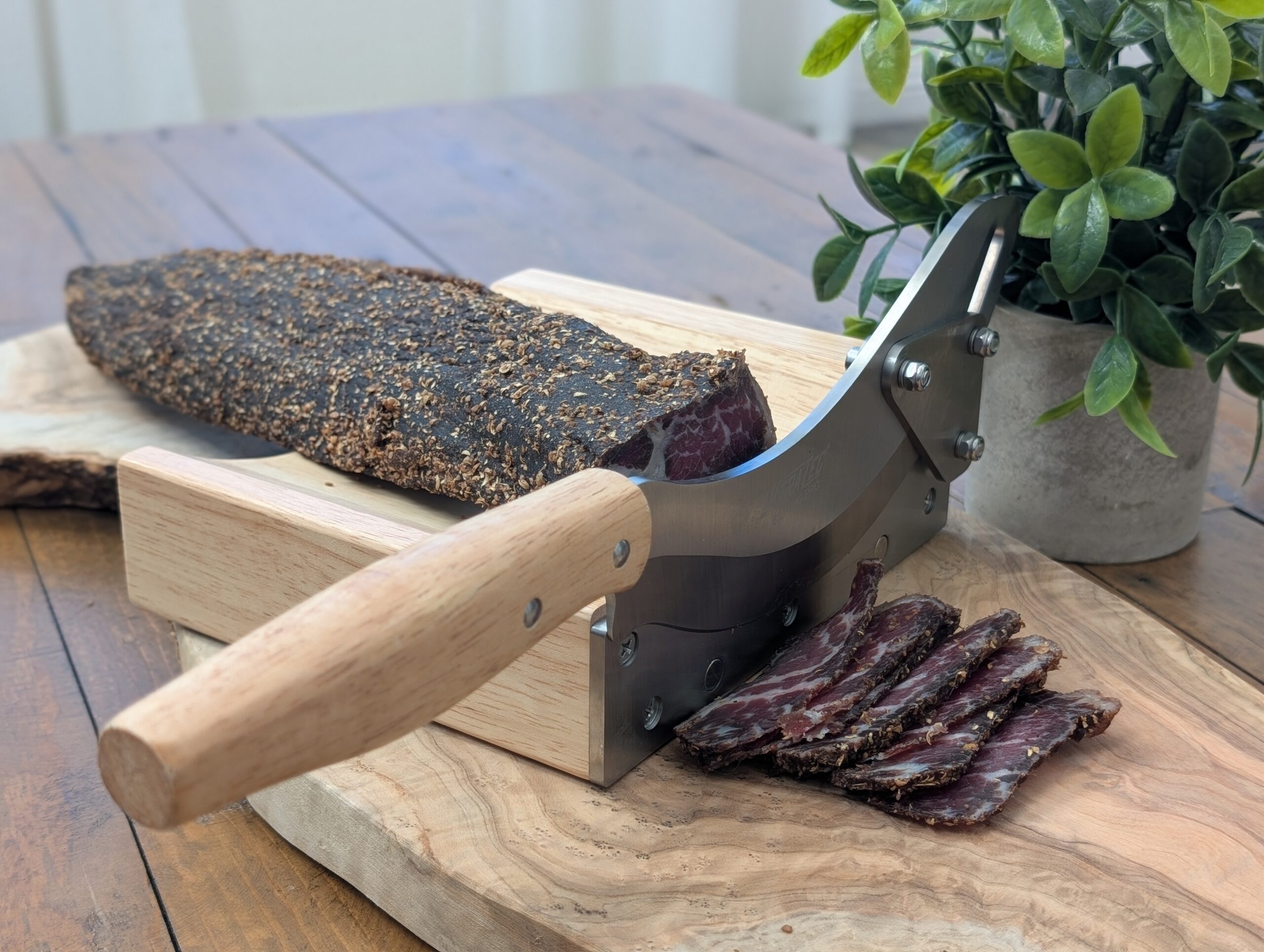
That first bite of authentic biltong can transport a South African living abroad faster than any airplane. The rich, spiced aroma hits your senses, and suddenly you’re not in your London flat or Sydney apartment anymore. You’re back home, perhaps at a family braai or buying strips from your local butcher.
This isn’t just nostalgia talking. There’s genuine science behind why certain foods become emotional anchors for people living far from home. For South Africans scattered across the globe, biltong often serves as that powerful connection to heritage and belonging.
Understanding this deep relationship between taste memory and homesickness can help South Africans abroad make more intentional choices about maintaining their cultural connections. It’s not just about satisfying a craving (though that matters too). It’s about preserving a piece of identity in a foreign place.
The Science Behind Taste Memory and Emotional Comfort
Your brain processes taste and smell through pathways directly connected to emotional and memory centers. When you bite into authentic South African Beef Biltong, you’re not just tasting meat and spices. You’re activating neural networks that store years of associated experiences and emotions.
Scientists call this the “Proust effect,” named after the French author who famously described how a madeleine cake triggered vivid childhood memories. For South Africans, biltong often plays this same role. The combination of specific spices, texture, and that distinctive air-cured flavor creates a sensory signature that’s uniquely South African.
Research shows that food-related memories are particularly powerful because they engage multiple senses simultaneously. The chewy texture of properly made biltong, combined with coriander, salt, and vinegar notes, creates a multi-layered sensory experience that your brain files away as distinctly “home.”
This explains why homesick South Africans often report feeling genuinely comforted after eating quality biltong. It’s not a psychological placebo effect. Your brain is literally accessing stored emotional associations tied to safety, family, and cultural belonging.
Why Authentic Biltong Flavor Triggers Powerful Nostalgic Responses
Not all biltong creates the same emotional response. Many South Africans living abroad have been disappointed by trying local “biltong” that tastes nothing like what they remember. This happens because authentic biltong flavor depends on specific traditional air-curing methods and spice combinations that commercial producers often modify or rush.
Traditional South African biltong has a complex flavor profile that develops slowly through proper air-drying. The meat’s natural enzymes break down proteins while moisture evaporates gradually, concentrating flavors in ways that quick-drying methods simply cannot replicate. This creates the distinctive taste that triggers those powerful nostalgic responses.
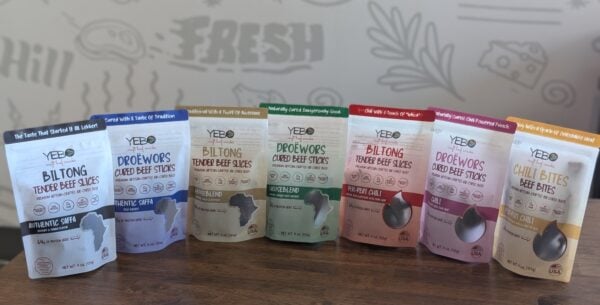
A colorful lineup of YEBO craft beef snack pouches showcasing assorted biltong, droëwors, and chili flavors on a wooden surface.
The spice blend matters enormously, too. Authentic South African coriander seed (not ground coriander) provides a citrusy, slightly bitter note that’s essential to the genuine biltong experience. Many international producers substitute cheaper spices or use pre-ground versions that lack the aromatic oils necessary for triggering those deep taste memories.
Salt and vinegar ratios also play crucial roles. Traditional recipes use coarse salt and brown vinegar in specific proportions that complement the meat’s natural flavors rather than overwhelming them. Getting this balance right is why biltong is more than just dried meat.
How Air-Cured Meat Traditions Connect South Africans Worldwide
Biltong represents more than individual taste preferences. It’s a cultural artifact that carries generations of South African tradition. The air-curing methods used today descend directly from techniques developed by Khoi pastoralists and refined by Dutch settlers centuries ago.
This historical depth gives biltong a cultural weight that newer snack foods simply cannot match. When South Africans share biltong with friends abroad or introduce their children to traditional South African flavors, they’re participating in cultural transmission that spans generations.
Online South African communities frequently discuss biltong sources, sharing recommendations for authentic producers and comparing different regional variations. These conversations reveal how important maintaining access to genuine biltong becomes for cultural identity maintenance.
The shared experience of seeking out quality biltong abroad creates bonds between South Africans who might otherwise never meet. Whether it’s comparing notes about local suppliers or sharing packages from home, biltong becomes a common reference point for cultural belonging.
Identifying Your Personal Biltong Taste Memory Triggers
Different South Africans respond to different aspects of biltong’s flavor profile, depending on their personal food memories. Some people are most triggered by the initial aroma when opening a package. Others find that the first chew, when flavors release across their palate, provides the strongest emotional response.
Regional variations also matter. Someone who grew up with Karoo-style biltong might find Cape Town variations less emotionally satisfying, even if both are technically authentic. Understanding your specific taste memory triggers helps you choose biltong that provides maximum emotional comfort.
Texture preferences vary significantly too. Some South Africans prefer their biltong quite dry and firm, while others favor it slightly moist and tender. These preferences often trace back to family traditions or local butcher practices from childhood.
Pay attention to how different biltong varieties affect your emotional state. The ones that make you feel most “at home” are likely closest to your stored taste memories. This awareness helps you make more intentional choices about traditional flavors that provide genuine homesickness relief rather than just satisfying hunger.
Selecting Authentic South African Biltong for Maximum Homesickness Relief
Essential Characteristics of Traditional South African Beef Biltong
Real South African Beef Biltong doesn’t mess around with shortcuts. The texture should feel firm but yield slightly when you press it, never brittle like overcooked jerky. You’re looking for that distinctive deep mahogany color that only comes from proper traditional air curing methods.
The aroma hits you first. Authentic biltong carries notes of coriander, black pepper, and that unmistakable vinegar tang that transports you straight back to childhood visits to the local butchery. Mass-produced versions smell flat by comparison.
True South African production follows centuries-old recipes. The meat gets cut with the grain (not against it like American jerky), creating those characteristic long strips that tear naturally between your teeth. This isn’t an accident – it’s deliberate craftsmanship passed down through generations.
Salt content should be noticeable but never overwhelming. Traditional methods rely on coarse salt and vinegar for the initial cure, followed by days of patient air-drying. The result balances saltiness with the natural beef flavor, letting both shine through.
Comparing Store-Bought vs. Authentic Air-Cured Biltong Quality
Walk into any international grocery store, and you’ll find “biltong” that would make your ouma weep. These mass-produced versions use accelerated drying techniques that strip away the complex flavors traditional air-curing develops over weeks.
Commercial producers often add artificial smoke flavoring and excessive preservatives. But authentic biltong needs only salt, vinegar, coriander, and time. The traditional process achieves natural preservation through controlled dehydration rather than chemical additives.
Texture tells the whole story. Factory-made biltong tends toward uniform thickness and an almost plastic consistency. Real biltong varies slightly in thickness, with edges that might be drier than the center. This variation isn’t a flaw – it’s proof of authentic hand-cutting and natural curing.
Price reflects quality here. Genuine South African biltong costs more because it requires premium cuts, longer production times, and traditional methods that can’t be rushed. When homesickness strikes, that extra cost becomes an investment in authentic comfort.
Regional Flavor Variations: From Western Cape to KwaZulu-Natal
Each South African province puts its own stamp on biltong production, creating distinct flavor profiles that trigger specific memories for different people. Western Cape biltong traditionally leans more heavily on vinegar, creating a sharper initial bite that mellows into rich beef flavors.
KwaZulu-Natal producers often incorporate local spice blends that include more pepper and sometimes hints of indigenous herbs. The coastal humidity requires different curing adjustments, too, resulting in a slightly softer texture that many find irresistible.
Free State biltong tends toward simplicity, letting the quality of the grassland beef speak for itself with minimal interference from spices. This style appeals to purists who want their childhood memories untainted by modern flavor experiments.
Understanding these regional variations helps you choose biltong that matches your specific nostalgic cravings. Your grandmother’s recipe from Johannesburg will taste different from your friend’s family tradition in Cape Town.
Quality Indicators That Signal Genuine South African Production Methods
Check the ingredient list religiously. Authentic biltong should list beef, salt, vinegar, coriander, and pepper – that’s it. If you see words you can’t pronounce or numbers instead of spice names, you’re dealing with industrial production that prioritizes shelf life over authentic taste.
The cut matters enormously. Traditional biltong gets sliced thick enough that you can see the grain structure of the meat. Thin slices might look prettier in packaging, but they dry too quickly to develop the complex flavors that proper craft methods create.
Finally, ask about the drying environment. Authentic producers use controlled air flow and humidity, often in dedicated aging rooms that maintain consistent conditions for weeks. Quick-dry ovens and dehydrators can’t replicate the gradual moisture removal that creates biltong’s signature texture and concentrated flavors.
Creating Meaningful Biltong Rituals to Combat Homesickness
Establishing Daily Biltong Tasting Routines for Emotional Grounding
Building a ritual around South African Beef Biltong creates an anchor point in your day that connects you directly to home. The key isn’t just eating biltong, it’s creating a mindful experience that transports you back to familiar moments.
Start with a morning ritual. Take a few pieces from your shop selection and hold them for a moment before eating. The texture against your fingers, the rich aroma; these sensory experiences trigger powerful memory connections that can ground you emotionally before facing another day abroad.
Consider timing your biltong moments with traditional South African meal times. Having sliced biltong at 4 PM (teatime back home) creates a bridge between your current location and the rhythms of life you remember. This isn’t just snacking, you’re maintaining a connection to your cultural timeline.
The chewing itself becomes meditative. Unlike mass-produced jerky, authentic biltong requires patience and attention. Each bite demands you slow down, which naturally creates space for reflection and emotional processing. This mindful eating practice helps combat the rushed feeling that often accompanies homesickness.
Pairing Biltong with Traditional South African Beverages and Sides
Pairing biltong with familiar flavors significantly amplifies its emotional impact. The combination triggers multi-sensory memories that single foods simply cannot achieve on their own.
Rooibos tea transforms biltong from a simple snack into a complete South African experience. The earthy sweetness of the tea balances the salty richness of the meat, creating a flavor profile that immediately transports you to afternoon visits with family or quiet moments on the stoep.
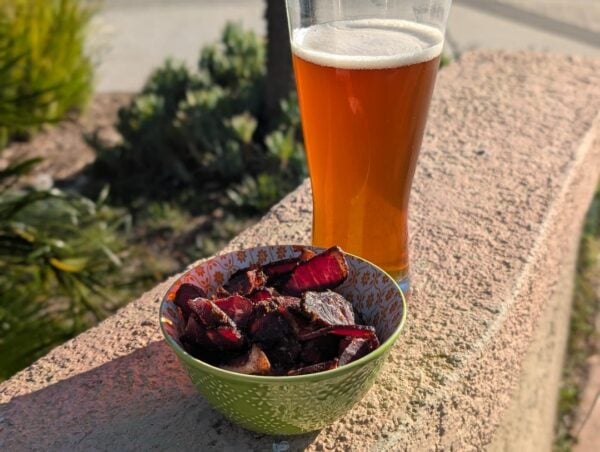
Biltong in a patterned bowl with a glass of amber beer on a stone ledge in the warm afternoon sunlight.
Castle Lager or Windhoek (when available) paired with biltong recreates those casual braai preparations or rugby match afternoons. Even if you’re watching alone in a foreign apartment, the combination helps reconstruct the social atmosphere of home. The key is approaching these pairings with intention rather than habit.
Don’t overlook traditional sides that enhance the experience. Beskuit (rusks) dipped in coffee alongside morning biltong creates a breakfast ritual that many South Africans remember from childhood. The familiar dunking motion, the coffee-soaked texture – these small actions carry enormous emotional weight.
Proper storage becomes crucial when building these rituals. Learning how to store biltong ensures your supply stays fresh for consistent daily enjoyment. Nothing disrupts an emotional ritual like discovering your biltong has lost its characteristic texture or developed off-flavors.
Building Community Through Shared Biltong Experiences Abroad
Homesickness intensifies when experienced in isolation, but biltong becomes a powerful tool for creating a South African community wherever you are. Sharing authentic biltong with fellow expats creates instant bonds that transcend typical small talk.
Host regular “biltong and story” sessions where each person brings memories associated with different biltong experiences. One person might share stories of hunting trips with their father, while another recalls buying biltong at roadside stalls during family holidays. These shared narratives build community while honoring individual memory connections.
Introducing non-South African friends to proper biltong creates opportunities to share your culture meaningfully. Explaining the traditional air-curing process, the regional variations in spice blends, or the social customs around biltong consumption helps others understand your background while reinforcing your own cultural identity.
Consider organizing blind tastings comparing different biltong styles or regions. This activity serves dual purposes: it creates social connection while deepening your appreciation for the subtle differences that make South African biltong unique. Participants often discover new favorites while sharing childhood preferences.
Online communities can extend these connections globally. Share photos of your biltong rituals, exchange preparation tips, or coordinate group orders to reduce shipping costs. These digital connections often evolve into real-world friendships when travel allows.
Incorporating Droëwors and Boerewors into Comfort Food Sessions
Expanding beyond traditional biltong slices to include droëwors and boerewors creates a more comprehensive comfort-food experience that addresses different emotional needs throughout your expat journey.
Droëwors offers a different textural experience that many associate with specific childhood memories. The way it separates into strands, the slightly different spice profile, the satisfying snap; these qualities make droëwors perfect for contemplative snacking during particularly challenging homesickness episodes.
Weekend boerewors sessions (even if cooked indoors) help recreate the social atmosphere of braai culture. The sizzling sounds, the distinctive aroma filling your kitchen, the anticipation of that first bite; these experiences provide substantial emotional comfort that goes far beyond simple nutrition.
Create themed comfort sessions around different South African occasions. Heritage Day calls for a full spread including biltong, droëwors, and boerewors alongside other traditional foods. These planned celebrations give you something positive to look forward to while honoring important cultural moments.
The preparation rituals matter as much as the consumption. Taking time to properly arrange your biltong, heating boerewors with attention and care, sharing droëwors methodically; these deliberate actions create meditative spaces that help process complex emotions about distance from home.
Document these experiences through photos or journal entries. Recording how different biltong experiences affect your emotional state helps identify which rituals provide the most comfort, allowing you to refine your approach to managing homesickness by drawing on authentic South African taste memories.
Enhancing Biltong Experiences with Complementary South African Flavors
Traditional Marinades and Sauces That Amplify Nostalgic Connections
You can’t talk about South African Beef Biltong without mentioning the flavor companions that made every meal memorable back home. The right marinade or sauce doesn’t just add taste; it opens a direct pathway to those cherished memories.
Mrs. Ball’s chutney remains the gold standard for many South Africans. That sweet-tangy complexity pairs beautifully with the salty richness of traditional biltong. But you don’t need to wait for a care package from home.
Monkey gland sauce might sound odd to outsiders, but any South African knows this tomato-based blend creates magic when paired with South African Beef. The sauce’s slight sweetness balances the intense umami flavors that develop during the air-curing process.
Boerewors spice blends work wonderfully as dry rubs, too. Mix equal parts coriander seed, black pepper, and a pinch of nutmeg. This combination echoes the familiar spice profiles you grew up with while highlighting the natural flavors of the meat.
Want something quick? Combine equal parts tomato sauce and Worcestershire with a dash of Tabasco. It’s not fancy, but it delivers that tangy kick that makes biltong taste like Saturday afternoon at the local butchery.
Recreating Braai Atmosphere with Biltong-Centered BBQ Recipes
Nothing says “home” like the smell of a braai fire. While you might not have access to the same wood or weather, you can still capture those essential flavors using South African Cured Meat as your foundation.
Start with biltong-stuffed sosaties. Cut your biltong into small pieces and mix with lamb or beef chunks. Thread onto skewers with onions and peppers. The biltong adds an extra layer of smoky depth that regular meat just can’t match.

Coiled boerewors sausages sizzling on a smoky barbecue grill, glistening with golden-brown char and rich juices.
Biltong boerewors rolls hit different when you’re homesick. Crumble dried biltong over grilled boerewors in a fresh roll. Add some chakalaka if you can find it, or make a quick version with baked beans, curry powder, and diced tomatoes.
For something uniquely satisfying, try biltong potjiekos. Layer potatoes, onions, and vegetables in a heavy pot. Sprinkle generous amounts of chopped biltong between layers. The meat slowly rehydrates during cooking, infusing everything with that familiar smoky flavor.
Even simple grilled chicken becomes special when you create a biltong crust. Pound dried biltong into a coarse powder and press it onto chicken breasts before grilling. The result tastes like home but feels perfectly suited to your current kitchen.
Quick Meal Ideas Featuring Biltong as the Comfort Food Centerpiece
Some days, you need comfort food fast. South African Meat traditions offer plenty of quick solutions that satisfy both hunger and homesickness in under 30 minutes.
Biltong scrambled eggs might be the ultimate comfort breakfast. The salt from the biltong seasons the eggs perfectly while adding protein and that distinctive taste. Throw in some chopped tomatoes, and you’ve got a meal that feels like Sunday morning at home.
Biltong pasta sounds fusion-y, but it works beautifully. Toss hot pasta with olive oil, garlic, and generous amounts of chopped biltong. The residual heat softens the meat slightly while preserving its texture. Add some rocket (arugula), and you’ve got sophistication with soul.
Quick biltong curry delivers maximum impact with minimal effort. Sauté onions with curry powder, add canned tomatoes and coconut milk, then stir in chunks of biltong during the last five minutes. Serve over rice, and you’ve transported yourself straight back to your mom’s kitchen.
Don’t overlook biltong sandwiches either. Layer thin slices on fresh bread with butter, tomato, and lettuce. It’s simple, but sometimes simple hits exactly the right emotional note when you’re feeling far from home.
Healthy Snack Combinations That Honor South African Culinary Heritage
Traditional South African eating patterns actually align beautifully with modern healthy snacking approaches. The key lies in understanding which combinations provide sustained energy while satisfying those deeper emotional needs.
Biltong with biltong rusks creates the perfect protein-carb balance. The rusks provide slow-burning energy while the biltong delivers complete proteins. Plus, the combination tastes exactly like childhood tea time with your ouma.
Fresh fruit pairs surprisingly well with the salty intensity of dried meat. Try biltong with naartjies (clementines) or grapes. The natural sweetness cleanses your palate between bites while the contrasting textures keep things interesting.
Nuts and biltong make excellent travel snacks. Macadamias grown in South African soil carry their own nostalgic weight, while almonds or cashews provide healthy fats that complement the lean protein in properly cured biltong.
For something more substantial, create biltong trail mix with dried fruit, seeds, and a sprinkle of biltong powder. You get complex flavors, sustained energy, and that essential taste connection to home.
The beauty of these combinations lies in their simplicity. You’re not trying to recreate elaborate dishes – you’re honoring the straightforward, honest flavors that made South African food culture so memorable in the first place.
Building Long-Term Strategies for Managing Homesickness Through Food
Creating a Sustainable Supply Chain for Quality South African Biltong
Your long-term relationship with South African Beef Biltong depends on establishing reliable sources that won’t leave you stranded during emotional moments. Think beyond impulse purchases and create a system that works.
Start by mapping out multiple suppliers. One premium provider might become your go-to for special occasions, while a more accessible option handles your regular needs. Don’t put all your eggs in one basket (because shipping delays happen at the worst possible times).
Consider bulk purchasing during sales or special occasions. Properly stored biltong can last months, and having a reserve stock removes the anxiety of running out during particularly difficult homesick episodes. Your future self will thank you when that craving hits at 2 AM and your stash is ready.
Budget for quality over quantity. Cheap imitations will disappoint when you need authentic comfort most. Calculate your monthly consumption and build it into your grocery budget like any other essential item. Because for managing homesickness, it really is essential.
Developing Taste Memory Journals to Track Emotional Responses
Documentation transforms random emotional eating into strategic comfort management. Start tracking which specific biltong varieties trigger the strongest positive memories and emotional responses.
Record more than just taste preferences. Note the circumstances when you reach for biltong, your emotional state beforehand, and how you feel afterward. You might discover patterns – perhaps droëwors connects you to Sunday family gatherings, while traditional beef biltong brings back a sense of childhood security.
Include sensory details in your journal. The texture, aroma, and even the sound of tearing biltong can trigger specific memories. Understanding these connections helps you choose the right variety for different emotional needs.
Track timing and quantities, too. You’ll learn whether you need just a small taste for comfort or require a proper snacking session for deeper emotional processing. This awareness prevents both under-consumption (leaving you unsatisfied) and over-consumption (creating new stress).
Teaching Family Members About South African Food Culture and Traditions
Sharing your food heritage with local family and friends creates new support systems and a deeper understanding. Your partner can’t fully appreciate why you need authentic biltong without understanding its cultural significance.
Start with storytelling during shared biltong moments. Explain how traditional air-curing methods connect you to generations of South African history. Share memories of buying biltong from local shops, family braai traditions, or childhood adventures with droëwors in hand.
Involve others in the experience actively. Let them try different varieties while you explain the differences. Most people have never experienced properly aged, traditionally prepared biltong – their curiosity often turns into genuine appreciation and support for your needs.
Create new traditions that blend cultures. Perhaps biltong becomes part of your family’s movie nights or hiking snacks. You’re not replacing local customs but adding layers that honor your background while building new memories.
Transitioning from Dependency to Appreciation in Your Biltong Journey
The goal isn’t to eliminate your emotional connection to South African Beef Biltong, it’s to transform desperate need into mindful appreciation. This shift takes time and intention.
Practice gratitude during your biltong moments. Instead of thinking “I need this because I’m homesick,” try “I’m grateful this connects me to my heritage.” The physical act remains the same, but the mental framework becomes empowering rather than dependent.
Expand your comfort toolkit gradually. While biltong might always be your primary remedy for homesickness, develop secondary strategies to complement it. Maybe South African music during biltong time, or video calls with family while sharing a snack.
Celebrate your progress without judgment. Some days you’ll need more biltong for comfort, others less. Both responses are valid parts of managing life away from home. The key is conscious choice rather than unconscious compulsion.
Your relationship with authentic South African biltong represents more than managing homesickness; it’s about maintaining cultural identity while building new roots. Every mindful bite connects you to home while anchoring you in your current reality.
Ready to transform your approach to managing homesickness into a sustainable, appreciative practice? Start with quality biltong that honors your heritage and supports your emotional well-being. Your taste memories deserve nothing less than authentic South African tradition.