Blog
Spring Training Season Nutrition Using Traditional Air-Cured Meat Proteins

Why Athletes Are Turning to Traditional Air-Cured Proteins
Athletes across Southern California are ditching traditional protein powders and bars for something that’s been fueling performance for centuries. From Carlsbad’s spring training facilities to Escondido’s local gyms, there’s a quiet revolution happening in sports nutrition. The shift? Traditional air-cured meat proteins that deliver what modern supplements promise but often can’t match.
This isn’t about jumping on another fitness trend. It’s about rediscovering how traditional preservation methods create superior nutrition profiles that actually support athletic performance. While supplement companies spend millions marketing complex formulations, athletes are finding that simpler, time-tested approaches often work better.
The Science Behind Air-Cured Meat’s Nutritional Profile
Air-cured meat proteins undergo a natural transformation, creating a concentrated nutritional powerhouse. The traditional air-curing process removes moisture while preserving the complete amino acid profile that muscles need for repair and growth. Unlike heat processing, which can denature proteins and destroy sensitive nutrients, air curing maintains the integrity of these vital compounds.
The gentle dehydration process concentrates protein content to around 50-60% by weight, making every bite incredibly nutrient-dense. This concentration happens naturally, without artificial processing or chemical additives. The result? A protein source that delivers 30+ grams of complete protein per serving, along with naturally occurring B-vitamins, iron, and zinc that support energy metabolism.
What sets air-cured proteins apart is their bioavailability. The natural enzymes present during the curing process partially break down muscle fibers, making the protein easier for your body to absorb and utilize. This pre-digestion means faster nutrient uptake when you need it most during training season.
How Traditional Preservation Methods Lock in Essential Nutrients
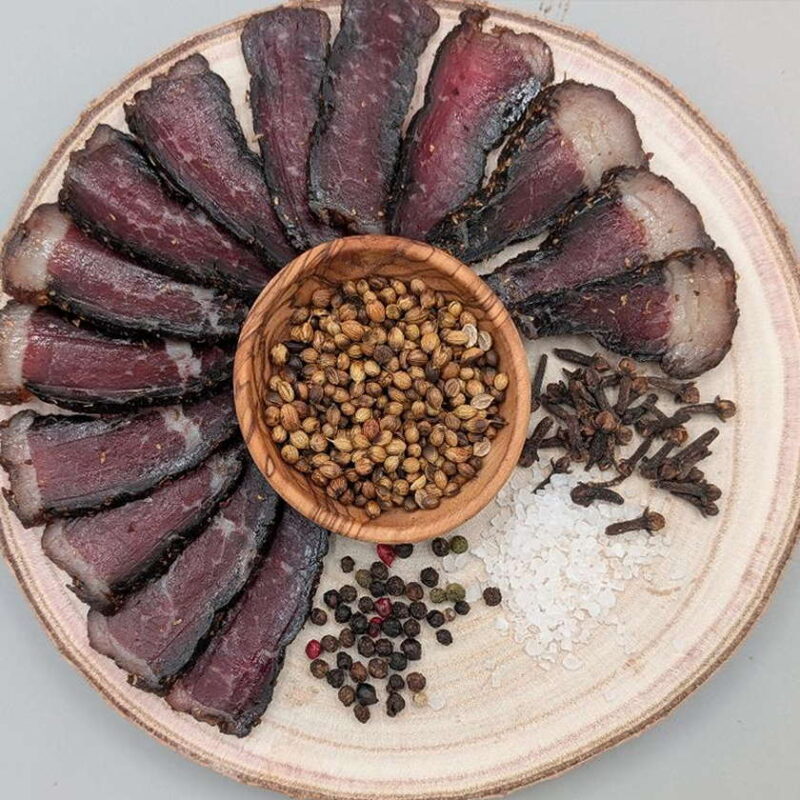
Traditional air-curing methods work with natural processes rather than against them. The controlled environment allows beneficial enzymatic reactions to occur while preventing harmful bacterial growth. Salt draws out moisture and creates an inhospitable environment for pathogens, while spices like coriander provide natural antimicrobial properties.
This preservation method maintains the meat’s natural vitamin B12, which is often destroyed by high-heat processing. B12 is crucial for energy production and red blood cell formation, making it essential for endurance athletes. The process also preserves creatine, a compound that supports explosive power and muscle recovery.
Temperature control during air curing ensures that heat-sensitive nutrients remain intact. Unlike commercial jerky production, which often uses high temperatures that can reduce nutritional value, proper air curing happens at controlled temperatures that preserve the full spectrum of naturally occurring nutrients.
Comparing Biltong to Modern Protein Supplements
When you compare biltong for athletes to typical protein supplements, the differences are striking. Most protein powders contain 20-25 grams of protein per serving, while a similar portion of quality biltong delivers 30+ grams along with naturally occurring nutrients that supplements try to replicate artificially.
Protein supplements often include artificial flavors, sweeteners, and binding agents that some athletes find hard to digest. Traditional air-cured meat contains only natural ingredients: meat, salt, vinegar, and spices. This simplicity means fewer digestive issues and better overall tolerance during intense training periods.
The absorption rate tells another story. While whey protein is absorbed quickly (which has its place), air-cured meat provides sustained amino acid release over several hours. This steady supply supports ongoing muscle protein synthesis throughout training sessions and recovery periods.
Real Performance Benefits for Training Season
Athletes report tangible performance improvements when incorporating traditional air-cured proteins into their nutrition plans. The sustained energy release helps maintain power output during long training sessions, while the complete amino acid profile supports faster recovery between workouts.
For spring training specifically, when athletes are rebuilding fitness after the off-season, the iron content in air-cured meat becomes particularly valuable. Iron supports oxygen transport and energy production, both of which are critical during high-volume training phases. Many plant-based protein sources lack this naturally occurring iron.
The convenience factor can’t be ignored either. Unlike powder supplements that require mixing and planning, air-cured proteins travel easily and need no preparation. This makes consistent nutrition intake much more manageable during busy training schedules, whether you’re hitting the gym in Carlsbad or training outdoors in Escondido’s perfect weather.
Building Your Spring Training Nutrition Foundation
Pre-Training Fuel: Timing Your Protein Intake
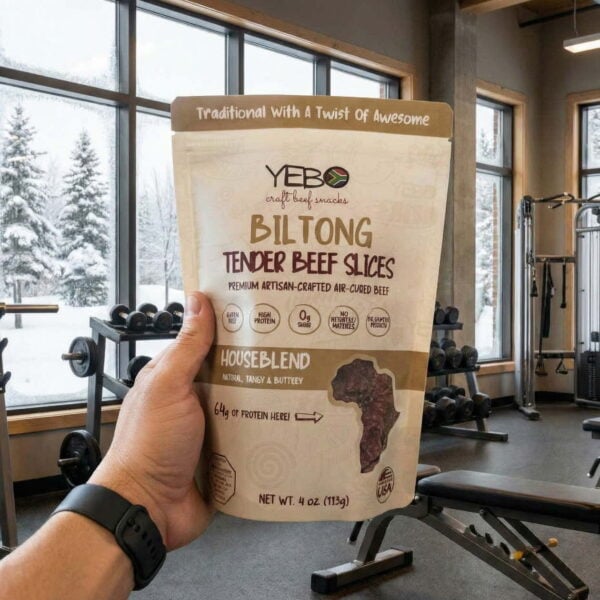
The window between waking up and hitting the field determines how your entire training session unfolds. Most athletes in Carlsbad know the importance of timing, but they often overlook the quality of their pre-workout fuel. Traditional air-cured proteins offer a unique advantage here because they don’t require the digestive energy that heavily processed snacks demand.
Consuming South African beef 30-45 minutes before training provides your muscles with immediately available amino acids without the blood sugar spikes that come from refined carbohydrates. The natural air-curing process preserves the complete protein profile, meaning your body gets all nine essential amino acids in their most bioavailable form.
Unlike energy bars loaded with artificial ingredients, biltong’s simplicity means faster processing and less digestive stress. This translates to more energy available for your actual workout rather than being diverted to break down complex processed foods. Spring training demands consistency, and starting each session well-fueled lays the foundation for sustainable performance improvements.
Post-Workout Recovery with Slow-Release Proteins
The hour immediately following intense training represents your body’s prime recovery window. While many athletes reach for quick-digesting whey shakes, the slow-release nature of air-cured meat proteins provides sustained amino acid delivery that continues to work for hours after consumption.
Traditional air-curing creates a dense protein matrix that your digestive system breaks down gradually. This controlled release means your muscles receive a steady stream of building blocks for repair and growth, rather than the rapid spike-and-crash pattern of liquid protein. For spring-training athletes juggling multiple sessions per week, sustained protein delivery becomes crucial for proper recovery.
The natural enzymes preserved during the air-curing process also aid in digestion, making these proteins gentler on your system when you’re already dealing with the stress of increased training loads. High-protein snacks that provide this sustained release help prevent the afternoon energy crashes that can derail your second training sessions.
Hydration and Electrolyte Balance During Intense Sessions
Spring training in Southern California means dealing with variable temperatures and humidity levels that can challenge even well-conditioned athletes. The natural sodium content in traditionally seasoned biltong serves as more than just a flavor enhancer – it acts as a natural electrolyte that supports proper hydration.
Commercial sports drinks often contain excessive sugar alongside their electrolytes, creating a cycle of energy spikes and crashes during longer training sessions. Air-cured meat provides sodium and potassium in a ratio that supports cellular hydration without the glycemic roller coaster. This becomes particularly important during those grueling three-hour practice sessions common in spring training.
The key lies in understanding that proper hydration isn’t just about water intake – it’s about maintaining the delicate balance of electrolytes that keep your muscles functioning optimally. Traditional air-curing methods preserve these natural minerals in forms your body recognizes and utilizes efficiently, supporting consistent performance throughout extended training periods.
Creating Sustainable Energy Throughout Long Training Days
Double sessions and back-to-back training days define the spring training season. The difference between athletes who thrive and those who struggle often comes down to their ability to maintain consistent energy levels without relying on quick fixes that lead to crashes.
Biltong protein snacks provide what nutritionists call “metabolic stability” – your blood sugar remains steady because you’re fueling with protein and minimal carbohydrates. This stability means clearer thinking, better reaction times, and sustained power output during those critical late-session drills when fatigue typically sets in.
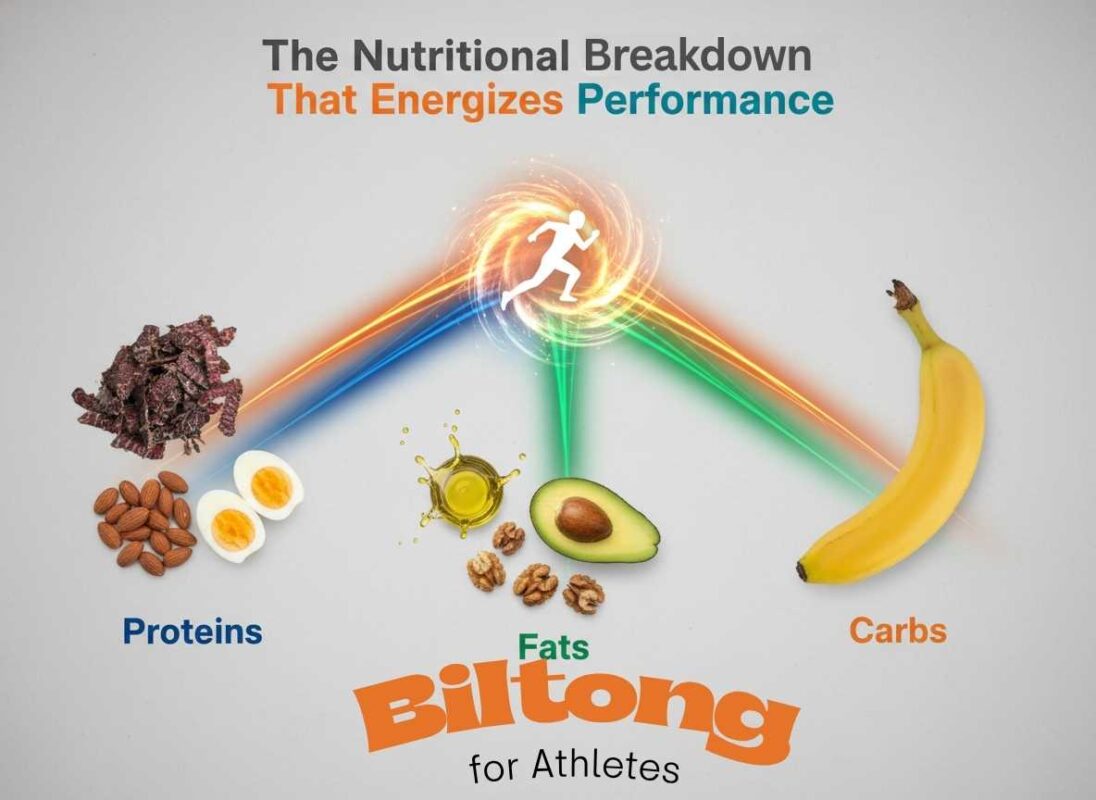
The fat content naturally present in quality air-cured meats provides another layer of sustained energy. While carbohydrates burn quickly, the combination of protein and natural fats creates a fuel source that supports both immediate performance needs and longer-term energy requirements. Athletes who integrate clean protein sources into their daily nutrition routine report better consistency across training sessions and faster adaptation to increased training loads.
Building this foundation means looking beyond individual workouts to the cumulative effect of consistent, quality nutrition choices throughout your spring training journey.
Smart Snacking Strategies for Peak Performance
Portable Protein Solutions for On-the-Go Athletes
Spring training schedules demand snacks that work as hard as you do. Traditional air-cured proteins solve the portability challenge that plagued athletes for decades. Unlike protein bars that melt in heat or shakes requiring refrigeration, biltong maintains its nutritional integrity whether stored in a gym bag, car, or locker.
The secret lies in the moisture content. Properly air-cured meat contains about 40% less moisture than fresh alternatives, making it a shelf-stable protein source that delivers 30-35 grams per serving without requiring ice packs or special storage. This makes South African beef particularly valuable during those long training days when access to proper meal prep becomes challenging.
Athletes in Carlsbad and Escondido benefit from having individual portions ready to grab. Pre-portioning 2-3-ounce servings into small containers means you can fuel performance without interrupting the training flow. The natural enzymes developed during traditional air-curing create complex amino acid profiles that support sustained energy rather than the quick spike-and-crash associated with processed alternatives.
Combining Traditional Meats with Fresh Ingredients
Smart nutrition strategies involve pairing air-cured proteins with complementary fresh ingredients to create balanced mini-meals. The concentrated protein in biltong pairs exceptionally well with seasonal spring produce, which provides essential carbohydrates and micronutrients.
Consider creating portable combinations: biltong pieces paired with apple slices provide both immediate and sustained energy. The natural sugars in fresh fruit complement the savory, complex flavors developed through traditional curing methods. Adding a small portion of nuts creates a complete nutritional profile that supports both immediate performance needs and longer-term recovery goals.
Fresh vegetable combinations work equally well. Cherry tomatoes, cucumber slices, or bell pepper strips paired with air-cured meat create satisfying snacks that deliver hydration alongside protein. The vinegar used in traditional curing actually enhances nutrient absorption from fresh vegetables, making these combinations more effective than consuming components separately.
Preparation simplicity matters during busy training seasons. These combinations require minimal prep time while delivering maximum nutritional impact, allowing athletes to focus energy on performance rather than complex meal planning.
Managing Hunger Between Meals and Training Sessions
Strategic protein timing prevents the energy crashes that derail training consistency. Air-cured meats provide sustained satiety, helping athletes maintain stable blood sugar levels between structured meals. The key lies in understanding how traditional curing creates slowly-digestible protein chains that release amino acids gradually over several hours.
Pre-training snacks should focus on easily digestible options consumed 30-60 minutes before activity. Small portions of biltong provide necessary protein without the digestive burden of larger meals. The natural preservation process produces proteins that require less energy to process, leaving more resources available to meet performance demands.
Post-training windows present different opportunities. Within 30 minutes after intense training, combining air-cured proteins with simple carbohydrates supports optimal recovery. This approach mirrors strategies discussed in smart snacking approaches that emphasize timing over quantity.
Evening hunger management becomes crucial during intensive training periods. Instead of reaching for processed options that disrupt sleep quality, air-cured proteins provide satisfying nutrition that supports overnight recovery processes without creating digestive stress.
Travel-Friendly Options for Away Games and Tournaments
Tournament nutrition presents unique logistical challenges that traditional air-cured proteins address effectively. Unlike fresh alternatives that require refrigeration, properly cured meats maintain their quality and safety during extended travel. This reliability becomes essential when competing in unfamiliar locations with limited access to food.
Airport security regulations favor shelf-stable proteins over liquid alternatives. Individual packaging prevents contamination concerns while allowing easy portion control throughout travel days. The extended shelf life means athletes can pack sufficient quantities without worrying about spoilage during multi-day tournaments.
Hotel room storage becomes simple when relying on air-cured options. No refrigeration requirements mean consistent access to nutrition regardless of accommodation quality. This reliability supports consistent performance, which often determines tournament outcomes.
Team meal timing rarely aligns perfectly with individual needs. Having reliable protein sources available allows athletes to strategically supplement the meals they are provided. The approach outlined in keeping applies directly to tournament situations where flexibility determines success.
Recovery between competition rounds requires easily digestible nutrition that won’t interfere with subsequent performance. Traditional air-curing creates proteins that provide necessary recovery support without creating digestive burden during critical competition windows.
Meal Planning with Air-Cured Proteins
Weekly Prep Ideas Using Biltong and Droëwors
Building a weekly meal prep routine around air-cured proteins eliminates guesswork during busy training weeks. Start by dedicating Sunday afternoons to portioning out south african beef into grab-and-go containers alongside your other staples. This traditional air-curing process preserves proteins that retain their nutritional density without refrigeration, making them ideal for meal prep.
Create protein-forward bento boxes by combining sliced biltong with roasted vegetables, quinoa, and avocado. The natural preservation methods used in air-curing mean these proteins stay fresh throughout the week without losing texture or flavor. Pack droëwors alongside trail mix components for easy energy boosts between training sessions.
Smart prep strategy: portion biltong into 2-ounce servings (roughly 28 grams of protein each) and pair them with carbohydrate sources like sweet potato rounds or whole-grain crackers. This creates balanced macro combinations that support both immediate energy needs and longer-term recovery goals.
Breakfast Combinations That Fuel Morning Workouts
Morning training sessions demand quick-digesting nutrients that won’t cause mid-workout digestive distress. Air-cured proteins offer concentrated amino acid profiles without the heavy feeling associated with traditional breakfast meats. Tear biltong into smaller pieces and fold them into scrambled eggs for added texture and protein density.
Greek yogurt bowls become more substantial when topped with finely chopped biltong and fresh berries. The combination provides both fast-acting carbohydrates and sustained protein release. This approach works particularly well for athletes training in Carlsbad’s morning coastal conditions, where steady energy becomes crucial during longer outdoor sessions.
For those rushing to early practices, wrap thin slices of biltong with banana pieces in whole wheat tortillas. The natural sodium content in air-cured meats helps maintain electrolyte balance during sweaty training sessions. These combinations digest easily while providing sustained energy for performance-focused mornings.
Quick Lunch Solutions for Busy Training Schedules
Between-session nutrition becomes challenging when training schedules intensify during spring preparation. Air-cured proteins solve this timing issue by delivering concentrated nutrition without requiring heating or extensive preparation. Build hearty salads using mixed greens, cherry tomatoes, and torn biltong pieces as your primary protein source.
Mason jar salads work exceptionally well with biltong because the proteins won’t become soggy like traditional lunch meats. Layer dressing at the bottom, followed by sturdy vegetables, grains, and top with air-cured proteins for easy mixing when ready to eat. These meals maintain freshness for several days in advance.
Quick wraps become more satisfying when you include protein snacks alongside traditional fillings. Combine hummus, cucumber, shredded carrots, and sliced biltong in whole-grain wraps for meals that travel well to training facilities around Escondido and the surrounding areas.
Dinner Recipes That Support Overnight Recovery
Evening meals play a crucial role in overnight muscle repair and glycogen replenishment. Air-cured proteins add depth to dinner preparations while providing essential amino acids to support recovery. Incorporate chopped biltong into pasta dishes during the final cooking stages to maintain texture while slightly warming the proteins.
Stir-fry combinations work beautifully with air-cured meats because the traditional preservation methods create proteins that complement rather than compete with vegetable flavors. Add biltong strips to vegetable stir-fries during the last two minutes of cooking for optimal texture contrast.
Grain bowls become more recovery-focused when built around air-cured proteins. Combine quinoa or brown rice with roasted seasonal vegetables and torn biltong pieces. Drizzle with olive oil and lemon juice for a Mediterranean-inspired approach that supports both taste preferences and nutritional goals.
Soup additions represent another practical application for dinner planning. Add finely chopped biltong to bean-based soups or vegetable broths during the final stages of preparation. The natural curing process infuses subtle flavors without overwhelming lighter soup bases, creating satisfying meals that support recovery without causing digestive heaviness before sleep.
Addressing Common Spring Training Nutrition Challenges
Overcoming Appetite Changes During Intense Training
Spring training intensity can completely derail normal eating patterns. Some athletes find themselves constantly hungry, while others lose their appetite entirely when pushing through demanding practice schedules. Both scenarios create serious nutrition challenges that can undermine performance goals.
The key lies in understanding how South African Beef Biltong works with your body’s natural responses to increased training loads. Unlike heavy meals that can feel overwhelming when appetite is suppressed, air-cured protein provides essential nutrients in a more manageable form. The concentrated protein density means you get maximum nutritional value even when eating smaller portions.
For athletes dealing with increased hunger, biltong offers sustained satiety without the blood sugar crashes that come from processed snacks. The natural air-curing process preserves amino acids that help regulate hunger hormones, creating more stable energy throughout long training days. This becomes particularly valuable during those afternoon practices when energy typically dips.
Managing Weight Goals While Building Muscle
Spring training often involves conflicting goals. Athletes want to build lean muscle while maintaining optimal playing weight, creating a delicate balancing act that traditional nutrition approaches often complicate rather than solve.
Air-cured meat proteins excel in this scenario because they provide pure protein without the added fats, sugars, or fillers found in most convenient protein sources. A single serving delivers roughly 25-30 grams of complete protein with minimal calories from other macronutrients. This allows precise control over caloric intake while ensuring adequate protein for muscle synthesis.
The natural preservation process maintains the full amino acid profile essential for muscle recovery and growth. When you explore traditional air-curing, you understand how this gentle process preserves nutrients that heat processing destroys. This means every gram of protein works more effectively toward your training goals.
Timing becomes crucial here. Consuming biltong protein snacks during the post-workout window maximizes muscle protein synthesis without adding unwanted calories that might interfere with weight-management objectives.
Dealing with Digestive Issues from Increased Activity
Intense training often triggers digestive sensitivity, making many protein sources problematic. Heavy meals feel uncomfortable during practice, while protein powders and bars can cause bloating or stomach upset when consumed around training sessions.
Traditional air-curing creates a protein source that places minimal stress on the digestive system. The natural preservation process partially breaks down proteins, making them easier to digest than fresh meat while maintaining nutritional integrity. This becomes particularly valuable for athletes who struggle with pre-workout nutrition timing.
The absence of artificial additives, preservatives, and processing chemicals eliminates many common digestive irritants. Unlike commercial protein products loaded with artificial sweeteners, thickeners, and flavor enhancers, air-cured meat contains only the essential ingredients needed for preservation and flavor.
Athletes frequently report better tolerance when switching from processed protein products to traditional air-cured options. The natural enzymes present in properly air-cured meat actually support digestion rather than hindering it.
Budget-Friendly Approaches to Quality Protein
Quality nutrition doesn’t have to break the training budget, but it requires strategic thinking about protein efficiency and value. Many athletes overspend on supplements and processed foods that deliver poor protein quality for the dollars invested.
Air-cured meat offers exceptional protein density, meaning less product yields more usable protein than most alternatives. When you calculate the cost per gram of complete protein, traditional biltong often outperforms expensive protein powders and bars while providing superior nutritional value.
The shelf stability of properly air-cured protein eliminates spoilage-related waste, a common problem with fresh meats and dairy-based protein sources. This makes it practical to buy in larger quantities when deals are available, spreading costs across longer periods.
Smart athletes invest in quality protein as their primary source, then supplement with less expensive options like eggs or beans for variety. This approach ensures consistent access to complete amino acid profiles while keeping overall nutrition costs manageable throughout the demanding spring training season.
Making the Most of South African Protein Traditions
Understanding Different Cuts and Their Benefits
Traditional air-cured meats offer distinct advantages depending on the muscle used, with each cut offering a unique nutritional profile that suits spring training demands. Silverside, the classic choice for South African beef, offers exceptional protein density with minimal fat, making it ideal for athletes focused on lean muscle development during intensive training periods.
Topside cuts provide slightly higher fat marbling, which translates to sustained energy release during longer training sessions. The natural fat content helps with vitamin absorption while maintaining the high protein ratios that make air-cured meat so valuable for athletic nutrition. Eye of round offers the leanest option, perfect for weight management phases of training cycles.
Game meats like venison offer additional benefits, including higher iron content and unique amino acid profiles. These cuts typically contain more B vitamins than traditional beef, supporting energy metabolism during peak training months. The natural grazing patterns of game animals create meat with superior omega-3 ratios compared to conventional protein sources.
Flavor Profiles That Keep Your Diet Interesting
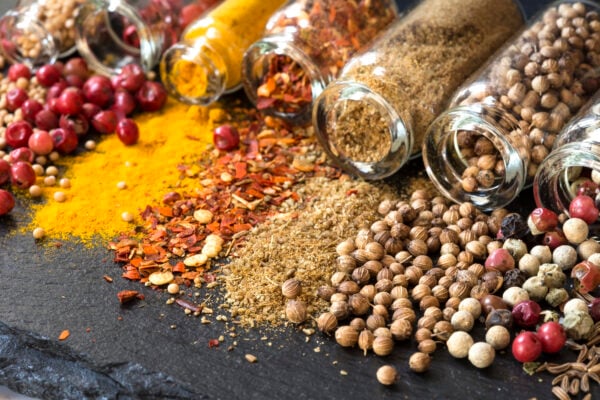
Assorted colorful spices and seasonings spilling from glass jars onto a dark slate surface, showcasing vibrant textures and rich natural hues.
Traditional spice blends transform basic protein intake into something athletes actually look forward to consuming. Classic coriander-and-salt combinations form the foundation, but regional variations offer exciting alternatives that prevent dietary monotony during long training seasons.
Peri-peri variations add capsaicin benefits alongside protein, potentially supporting metabolism and recovery through natural anti-inflammatory compounds. The heat level can be adjusted based on individual preferences while maintaining the nutritional integrity of the air-cured base. Garlic and herb blends provide antimicrobial properties that support immune function during intensive training periods.
Traditional vinegar marinades used in the air-curing process contribute to the complex flavor development while supporting digestive health. Natural fermentation creates beneficial compounds that enhance nutrient absorption, making each gram of protein more bioavailable for muscle synthesis and recovery.
Experimenting with different spice combinations keeps nutrition plans interesting throughout the repetitive schedule of spring training. Black pepper varieties support circulation, while paprika varieties add vitamin A alongside protein. These traditional approaches prove that clean eating doesn’t mean sacrificing flavor satisfaction.
Storage and Freshness Tips for Peak Quality
Proper storage maintains the nutritional quality that makes air-cured proteins so valuable for athletic performance. Room temperature storage in breathable containers allows the meat to continue its natural preservation process while maintaining optimal texture and flavor development.
Avoiding plastic wrap prevents moisture buildup that can compromise the traditional air-curing benefits. Paper bags or cloth wrapping allow continued airflow while protecting from contamination. This storage method preserves the natural enzyme activity that contributes to digestibility and nutrient availability.
Refrigeration extends shelf life but changes texture characteristics. For immediate consumption, room-temperature storage provides the best eating experience and preserves the traditional qualities that make biltong what it is. Such an important question for athletes discovering these protein sources.
Visual and textural indicators help determine peak-quality periods. Properly air-cured meat maintains flexibility without being overly soft, indicating optimal moisture content for both safety and nutritional value. White salt crystals on the surface are normal and indicate proper curing, not spoilage.
Introducing Traditional Proteins to Team Nutrition Programs
Team nutritionists in Carlsbad and Escondido are increasingly incorporating traditional air-cured proteins into spring training protocols due to their convenience and nutritional density. Unlike processed alternatives, these proteins require no preparation or heating, making them ideal for busy training schedules and travel days.
Educational components help athletes understand the traditional air-curing process and its advantages over modern processing methods. When team members understand how natural preservation enhances protein bioavailability, compliance with nutrition programs increases significantly. The simplicity of the ingredients resonates with athletes focused on clean-eating approaches.
Portion control becomes easier with pre-portioned servings that deliver consistent protein amounts without the variability of fresh preparations. This consistency supports precise nutrition tracking while accommodating individual dietary requirements and training phase adjustments.
Cost considerations favor traditional proteins over many supplement alternatives, especially when accounting for their superior amino acid profiles and natural vitamin content. Teams can allocate nutrition budgets more effectively while providing higher-quality protein sources that support both performance and recovery goals throughout the demanding spring training season.