Blog
Spring Cleaning Your Pantry with Naturally Preserved South African Biltong

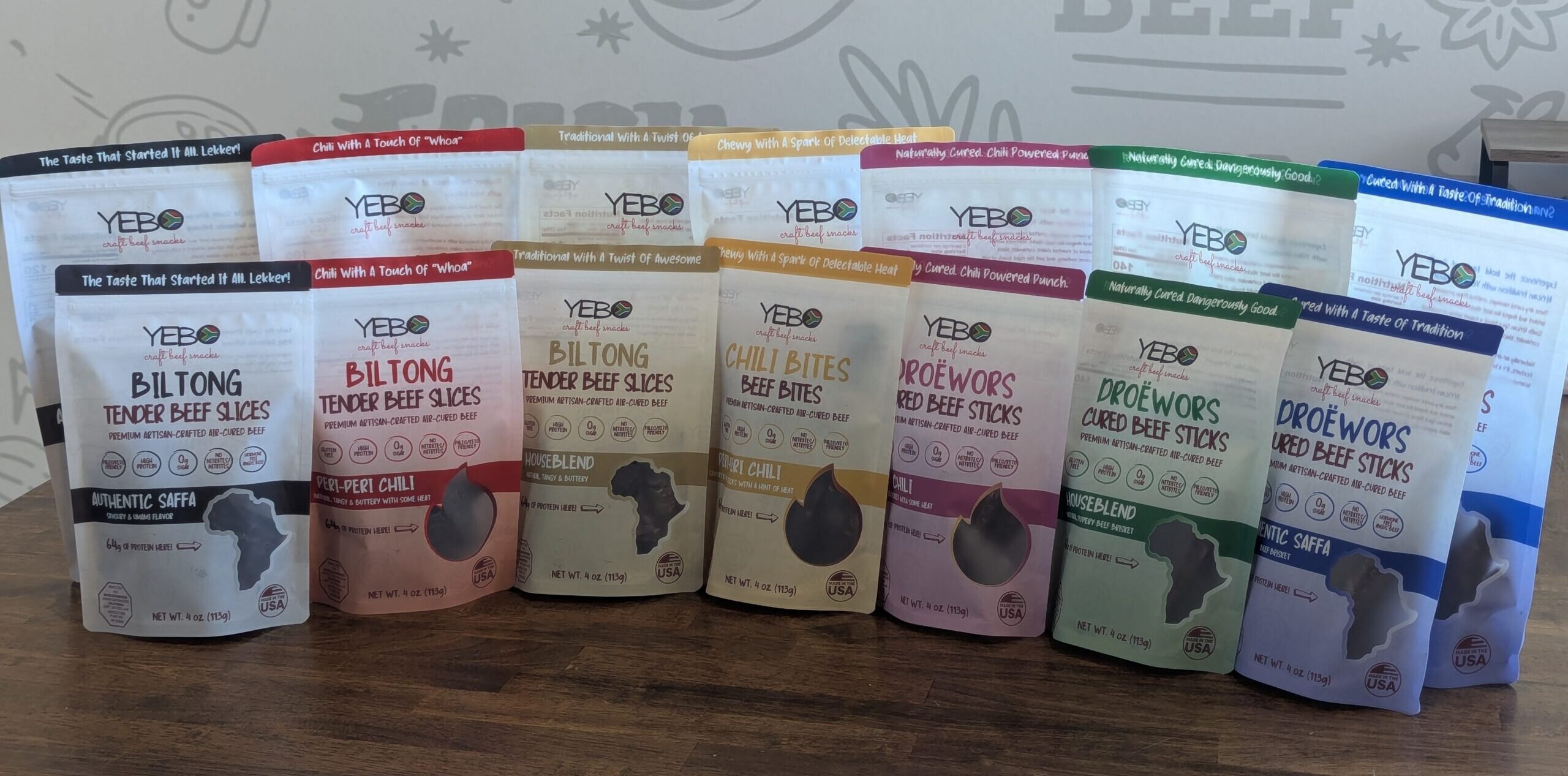
Why Spring is the Perfect Time to Reorganize Your Pantry
The first warm breeze of spring doesn’t just signal blooming flowers and longer days; it’s your cue to tackle that cluttered pantry that’s been silently judging you since January. You know the one: crammed with half-empty chip bags, mystery expiration dates, and snacks that seemed like good ideas three months ago but now mock your health goals from behind dusty containers.
But here’s the thing about spring cleaning your food storage: it’s not just about making space. It’s about creating a foundation for better choices, more adventurous eating, and frankly, a pantry you won’t be embarrassed to open when friends visit your Carlsbad kitchen.
Out with the Old: Identifying Expired and Stale Snacks
Start with the brutal truth check. That bag of crackers from last summer? The ones that sound like gravel when you shake them? They’re taking up prime real estate that could house something infinitely better. Pull everything out (yes, everything) and sort by expiration dates.
You’ll probably discover snacks you forgot you bought, half-finished protein bars that taste like cardboard, and those “healthy” chips that somehow contain 47 unpronounceable ingredients. Commercial snacks lose their appeal fast—not just flavor-wise, but nutritionally too. Many processed options degrade in quality long before their printed dates, especially in Southern California’s varying humidity.
The stale test is simple: if it doesn’t taste as good as when you first opened it, it’s pantry clutter. Traditional preservation methods create products that maintain their quality much longer, which means fewer disappointing snack discoveries during your next cleanup.
Creating Space for Fresh, Quality Provisions
Once you’ve cleared the deadweight, you’re left with valuable real estate. This is where strategic thinking pays off. Instead of reflexively restocking with the same old options, consider how naturally preserved alternatives can revolutionize your snack game.
Quality takes up less space than quantity. A few pouches of properly air-cured biltong deliver more satisfaction and nutritional value than an entire shelf of conventional snacks. The natural preservation process means these proteins maintain their flavor profile and texture without artificial additives or excessive packaging.
Organize your newly cleared shelves by use case: grab-and-go options at eye level, bulk provisions up high, and everyday basics within easy reach. Your pantry should work with your lifestyle, not against it. When you can easily see and access better choices, you’ll naturally reach for them more often.
Setting Up Your Pantry for Adventure Season
Spring awakens the explorer in all of us. Whether you’re planning hiking trips through Escondido’s backcountry or beach days that stretch into the evening, your pantry should fuel these adventures. Traditional air-curing creates portable protein that doesn’t need refrigeration—perfect for stuffing into backpacks or beach bags.
Think beyond just storage; think preparation. Set aside a designated section for portable provisions: items that travel well, won’t spoil in heat, and actually taste better when you’re genuinely hungry from outdoor activities. High-quality protein snacks become essential fuel when you’re hiking trails or spending long days exploring.
Adventure season also means unpredictable schedules. Having reliable, shelf-stable options means you’re never stuck choosing between skipping meals or settling for gas station fare. Your spring-cleaned pantry becomes your launching pad for spontaneous weekend trips.
The Psychology of a Clean, Well-Stocked Food Storage
There’s genuine psychology behind organized food storage. When your pantry contains only items you actually want to eat, decision fatigue disappears. You’re not standing there at 3 PM, staring at options you don’t really want, eventually settling for whatever’s easiest to grab.
A curated pantry also reinforces better habits. When quality options like South African biltong are readily available alongside fresh ingredients, you’re more likely to make choices that align with your health goals. The visual reminder of better options creates positive momentum throughout your day.
A clean organization also reduces waste. When you can see everything clearly, you use what you have instead of buying duplicates or letting items expire forgotten. Your spring-cleaning investment pays dividends in both money saved and satisfaction from a pantry that actually serves your lifestyle.
The Art of Naturally Preserved Snacks in Your Pantry
Understanding Traditional Air-Curing Methods
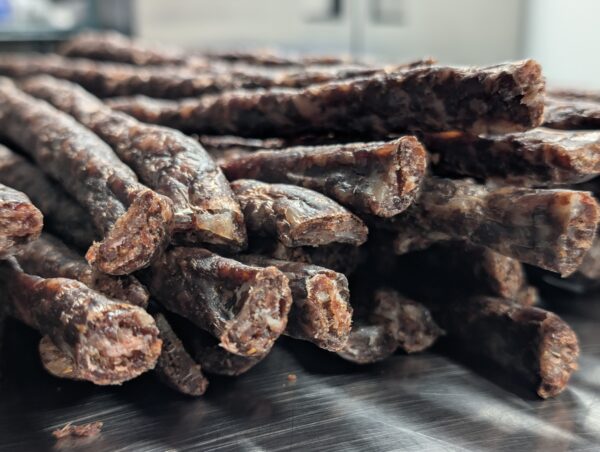
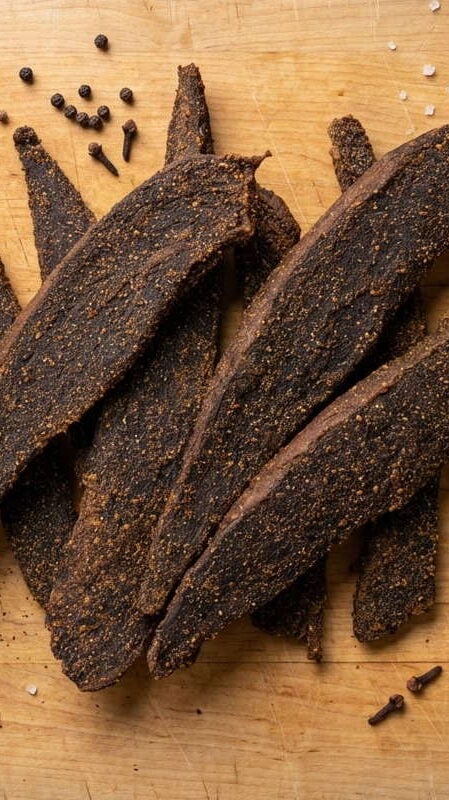
Close-up view of dried beef sticks showing rich brown color, glossy texture, and rugged, savory details.
Traditional air-curing methods create a natural preservation process that transforms fresh beef into South African beef without artificial preservatives. This ancient technique relies on controlled airflow, proper temperature, and time to gradually remove moisture while developing complex flavors.
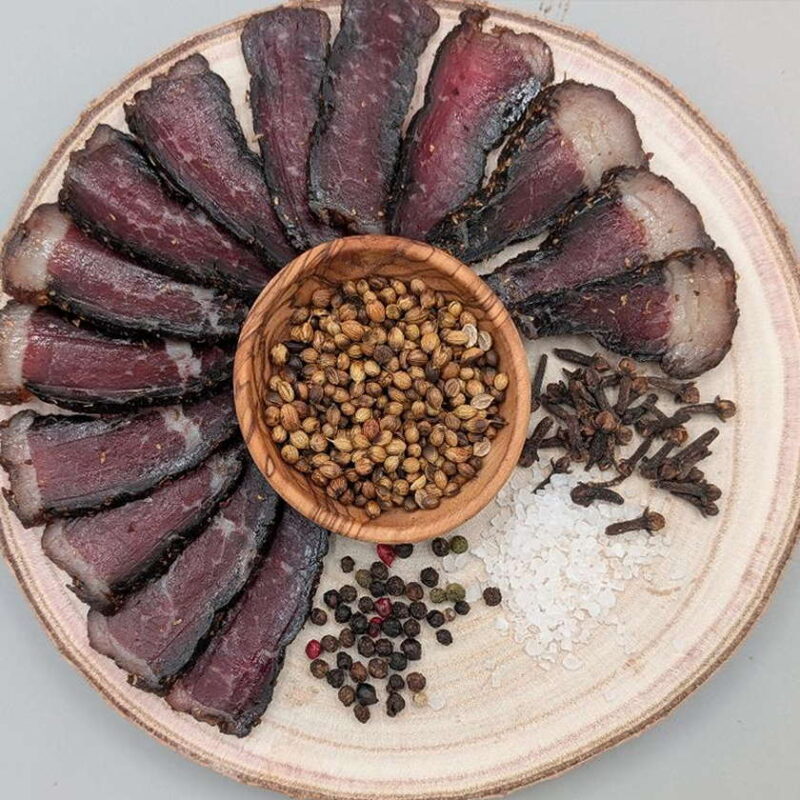
The process begins with quality cuts of beef, typically silverside or topside, which are seasoned with salt, coriander, and vinegar. These ingredients work together to create an environment where beneficial enzymatic reactions occur naturally. Salt draws out moisture while creating an inhospitable environment for harmful bacteria. Meanwhile, the gentle air circulation allows moisture to escape gradually, concentrating the meat’s natural proteins and amino acids.
Temperature control plays a crucial role in successful air-curing. Rather than using high heat like commercial jerky production, traditional methods maintain cooler temperatures (typically between 60-70°F) that preserve the meat’s nutritional integrity. This gentle approach prevents the protein denaturation that often occurs with heat processing, maintaining the complete amino acid profile that makes biltong such a superior protein source.
Why Natural Preservation Beats Chemical Additives
Chemical preservatives might extend shelf life, but they come with trade-offs that naturally preserved biltong sidesteps entirely. Traditional air-curing achieves preservation through dehydration and pH control, creating an environment where spoilage bacteria cannot thrive.
The natural enzymes present in properly cured meat continue working during the preservation process, breaking down complex proteins into more digestible forms. This enzymatic activity is what creates biltong’s distinctive tender texture and rich flavor profile. Commercial preservatives often halt these beneficial processes, resulting in a less nutritious and less flavorful end product.
For health-conscious snackers in Carlsbad, this means choosing a pantry staple that aligns with clean eating goals. Naturally preserved biltong contains no sodium nitrates, no artificial colors, and no chemical flavor enhancers. The ingredient list reads like a traditional recipe: beef, salt, coriander, vinegar, and time.
The simplicity of natural preservation also means better digestibility. Many people who are sensitive to processed meats can enjoy biltong without issues, since the traditional air-curing process pre-digests some of the proteins through natural enzymatic action.
Storage Benefits of Properly Cured Meats
Properly air-cured biltong offers remarkable storage advantages that make pantry organization easier and more efficient. The low moisture content (typically 10-15%) creates a naturally stable product that doesn’t require refrigeration for extended periods.
This stability means you can stock up during smart snacking opportunities without worrying about quick spoilage. Unlike fresh meats that demand immediate consumption, air-cured biltong can sit in your pantry for months, ready whenever hunger strikes.
The natural preservation process also makes biltong incredibly travel-friendly. Whether you’re heading from Escondido to San Diego for work or planning a weekend camping trip, naturally preserved biltong won’t spoil in warm car temperatures or require cooler space. This reliability makes it an ideal protein source for busy professionals who need consistent nutrition without the hassle of refrigeration.
Storage requirements are minimal: keep it in a cool, dry place in breathable packaging. The traditional air-curing process creates a product that actually benefits from some air circulation, which is why proper biltong often comes in paper or fabric bags rather than vacuum-sealed plastic.
Shelf Life and Quality: What to Expect
Traditional air-cured biltong maintains quality for 3-6 months when stored properly, with wide varieties improving in flavor over the first few weeks. The natural aging process continues slowly, developing deeper, more complex tastes as the meat’s natural enzymes work.
Quality indicators for properly cured biltong include a firm but not brittle texture, rich brown color, and clean, meaty aroma. The surface should be dry to the touch, without a tacky feeling, indicating proper moisture removal during curing.
Unlike commercial jerky that can become increasingly tough over time, traditionally air-cured biltong often maintains its texture throughout its shelf life. This consistency makes it superior for those who understand why single serve biltong in both convenience and quality retention.
The natural preservation methods also mean that properly stored biltong won’t develop the off-flavors common in chemically preserved meats. Instead, the flavor profile remains clean and authentic, making it a reliable pantry staple that delivers consistent satisfaction every time you reach for it.
Organizing Your Pantry Around Long-Lasting Protein Snacks
Creating Dedicated Zones for Different Snack Types
Smart pantry organization starts with creating specific zones for different protein snack categories. Traditional jerky requires different storage considerations than naturally preserved biltong, which maintains its quality through air-curing rather than heat processing.
Set up your high shelf for individually wrapped snacks that you grab regularly for work or gym sessions. The middle zone works perfectly for bulk storage containers holding your South African beef and other premium air-cured products. Keep these away from spice containers (strong aromas can transfer) and cereal boxes, which might attract pantry pests.
Your bottom shelf should house backup inventory and seasonal purchases. When you stock up during sales, these lower areas keep your surplus organized without cluttering daily-access zones. This system means you always know exactly where to find your protein snacks, whether you’re packing for a Carlsbad beach day or prepping for a week of meetings.
Temperature and Humidity Considerations for Meat Snacks
Southern California’s climate presents unique storage challenges for naturally preserved meat snacks. While our dry air helps, temperature fluctuations between air-conditioned indoors and warm outdoor temperatures can affect product quality over time.
Aim for consistent temperatures between 65-75°F in your pantry space. That corner cabinet away from your stove and dishwasher works better than the cupboard directly above your coffee maker. Heat sources create microclimates that can compromise the natural preservation process that makes biltong so shelf-stable.
Humidity control matters more than most people realize. California’s low humidity generally works in your favor, but coastal areas like Carlsbad can see moisture spikes during the marine layer season. Use kraft paper bags for open packages, and consider oxygen-scavenger packets for long-term storage areas. The traditional air-curing methods that create biltong’s texture depend on proper moisture levels, so maintaining that balance preserves the intended eating experience.
Check your pantry’s ventilation too. Good airflow prevents stagnant pockets where moisture might accumulate, especially in deeper cabinets where air doesn’t circulate naturally.
Smart Storage Solutions for Air-Cured Products
Vacuum-sealed bags work exceptionally well for portioning individual servings of biltong slabs. Pre-pack your weekly gym portions or office snacks every Sunday, and you’ll never scramble for healthy protein options during busy weekdays. Proper storage techniques help maintain the distinctive texture and complex flavor profile that set quality biltong apart from commercial alternatives.
Label everything with purchase dates and use-by information. While naturally preserved products have impressive shelf lives, tracking dates helps you rotate stock properly and ensures peak quality. Use masking tape and permanent markers for temporary labels, or invest in a label maker for a cleaner system.
Consider drawer organizers for smaller packages. Those expandable dividers that work for office supplies also create perfect compartments for different biltong varieties and portion sizes.
Inventory Management: First In, First Out
Restaurant-style inventory rotation prevents waste and ensures you’re always eating your protein snacks at peak quality. Place newer purchases behind older stock, so you naturally reach for items that should be consumed first.
Create a simple inventory log on your phone or stick a whiteboard inside your pantry door. Track what you have, when you bought it, and when you need to restock. This prevents the frustration of realizing you’re out of your favorite travel fuel right when you need to pack for a weekend trip to Escondido or beyond.
Set up visual cues for restocking. When your “grab and go” container gets down to three individual portions, add biltong to your shopping list. This buffer prevents completely running out while maintaining fresh rotation.
Monthly pantry audits take just ten minutes but save money and ensure quality. Check for any packages showing signs of damage, verify your rotation system is working, and assess whether your current storage setup meets your consumption patterns. Maybe you need more grab-and-go portions or different container sizes as your snacking habits have evolved.
Building the Ultimate Adventure Snack Collection
Essential Varieties Every Pantry Should Have
A well-stocked adventure snack collection starts with understanding the core varieties that complement different activities and taste preferences. Traditional South African beef serves as your foundational protein source, offering the classic flavor profile that satisfies most palates while providing sustained energy for long activities.
Every pantry should include original beef biltong as the cornerstone variety. This naturally preserved option delivers clean protein without artificial additives, making it perfect for hikers, cyclists, and outdoor enthusiasts who need reliable fuel. The traditional coriander and salt seasoning creates that distinctive South African taste that never gets boring, even on multi-day adventures.
Spiced varieties add excitement to your collection while serving specific purposes. Chili biltong provides an extra kick that can boost energy during challenging climbs or cold-weather activities. Pepper-crusted options offer sophisticated flavor complexity that works equally well for casual snacking or more refined outdoor dining experiences.
Game meats like kudu or springbok expand your protein options, particularly valuable for extended trips where variety prevents food fatigue. These leaner cuts have distinct amino acid profiles while maintaining the naturally preserved quality that enables safe storage without refrigeration.
Pairing Traditional and Spiced Options
Strategic pairing of traditional and spiced biltong varieties creates balanced flavor experiences throughout different adventure phases. Start morning activities with milder traditional varieties that provide steady protein without overwhelming your palate when energy levels are naturally lower.
Mid-day adventures benefit from introducing spiced options as your taste buds become more receptive to complex flavors. The natural progression from subtle to bold matches how most people’s flavor preferences evolve throughout active days. This approach prevents sensory overload while maximizing enjoyment of each variety’s unique characteristics.
Evening wind-down periods call for returning to traditional flavors that complement relaxation without overstimulating. The gentle spice profile of classic biltong supports recovery nutrition while preparing your palate for whatever tomorrow’s adventures might bring.
Mixing textures alongside flavors creates even more interest. Combine softer, more tender pieces with firmer cuts to provide satisfying chewing experiences that engage different eating preferences. This variety keeps snacking interesting during long periods when biltong serves as a primary source of nutrition.
Portion Planning for Different Activities
Different types of adventure require specific portion-planning approaches to ensure adequate nutrition without carrying unnecessary weight. Day hikes typically require 2-3 ounces of biltong per person, providing roughly 20-30 grams of protein to sustain energy levels during moderate exertion.
Multi-day backpacking trips demand more strategic planning, with 4-6 ounces per day to meet protein needs while accounting for the increased caloric demands of extended physical activity. The naturally preserved nature of biltong eliminates spoilage concerns that complicate other protein sources during longer expeditions.
High-intensity activities like rock climbing or mountain biking benefit from smaller, more frequent portions rather than large single servings. Pre-portioning biltong into 1-ounce packages prevents overeating during intense periods while ensuring quick access to energy when needed most.
Water activities require waterproof storage considerations, but portion sizes remain similar to those for land-based adventures. Planning for high-protein snacks during paddling or sailing ensures sustained energy without the complexity of preparing meals on unstable platforms.
Budget-Friendly Bulk Buying Strategies
Building an adventure snack collection doesn’t require breaking your budget when you approach purchasing strategically. Buying larger quantities directly from specialty retailers often yields better per-ounce pricing than small packages from general outdoor stores.
Seasonal purchasing aligns with many people’s adventure planning cycles. Stocking up during spring cleaning season takes advantage of promotional pricing and ensures your pantry stays well-stocked for the peak adventure months ahead. The naturally preserved qualities mean properly stored biltong maintains quality for extended periods.
Group purchases with fellow adventurers create economies of scale that benefit everyone involved. Coordinating bulk orders through hiking clubs, cycling groups, or outdoor communities spreads shipping costs and allows access to wholesale pricing tiers typically reserved for larger orders.
Consider gift cards during sale periods to lock in discounted pricing for future purchases. This strategy allows you to take advantage of promotional pricing even when your pantry is adequately stocked, essentially pre-purchasing at reduced rates for later consumption.
Creative Ways to Use Your Pantry Stock
Quick Appetizer Ideas for Unexpected Guests
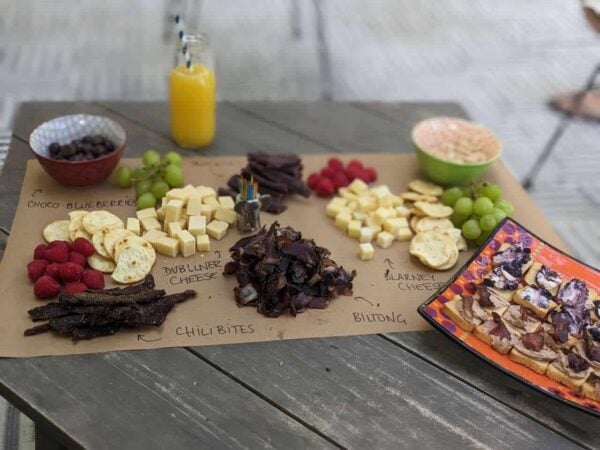
Smart Snacking-Variety of snacks on a table, such as biltong
Nothing beats the panic of unexpected guests when your fridge looks like a barren wasteland. But if you’ve got naturally preserved biltong in your pantry, you’re already ahead of the game. These protein-rich snacks transform into impressive appetizers faster than you can say “sorry about the mess.”
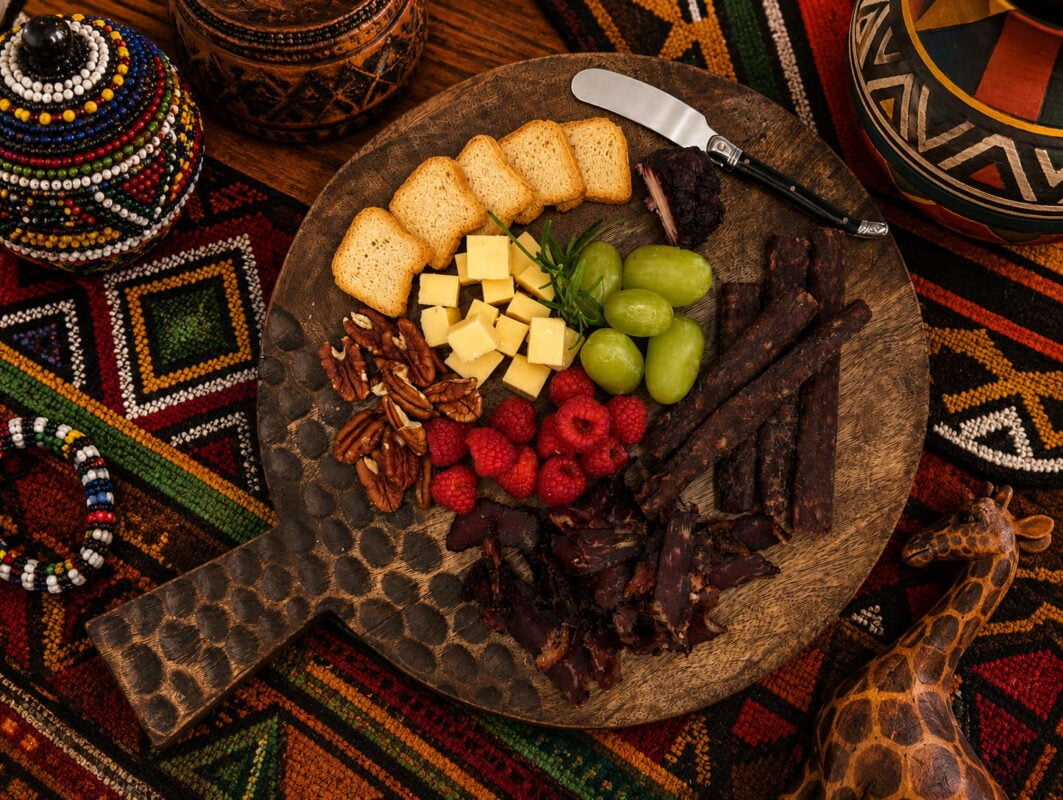
Create elegant biltong and cream cheese pinwheels by spreading herbed cream cheese on thin cucumber slices, then topping with shredded biltong. The salt from the South African beef balances perfectly with the cool cucumber and rich cheese. For something heartier, arrange biltong pieces on a wooden board with aged cheeses, nuts, and dried fruits (you know, that stuff that’s been sitting in your pantry forever).
The beauty of using South African biltong for entertaining lies in its shelf stability. Unlike fresh meats that require last-minute preparation, your pantry stock is always ready to impress. Slice some biltong into thin strips and wrap around breadsticks, or chop it finely to sprinkle over deviled eggs for an unexpected protein boost.
Incorporating Biltong into Family Meal Planning
Family meal planning gets infinitely easier when you’ve got naturally preserved biltong as your secret weapon. This isn’t just about emergency snacks anymore (though it excels at that too). Biltong adds serious protein and flavor depth to weeknight dinners without requiring trips to the grocery store.
Toss chopped biltong into pasta salads for school lunches. The traditional air-curing process creates complex flavors that kids actually enjoy, plus it stays fresh in lunch boxes without refrigeration. For busy weeknight dinners, add biltong to scrambled eggs or omelets. The meat’s concentrated flavor means you need less than you’d think to make a real impact.
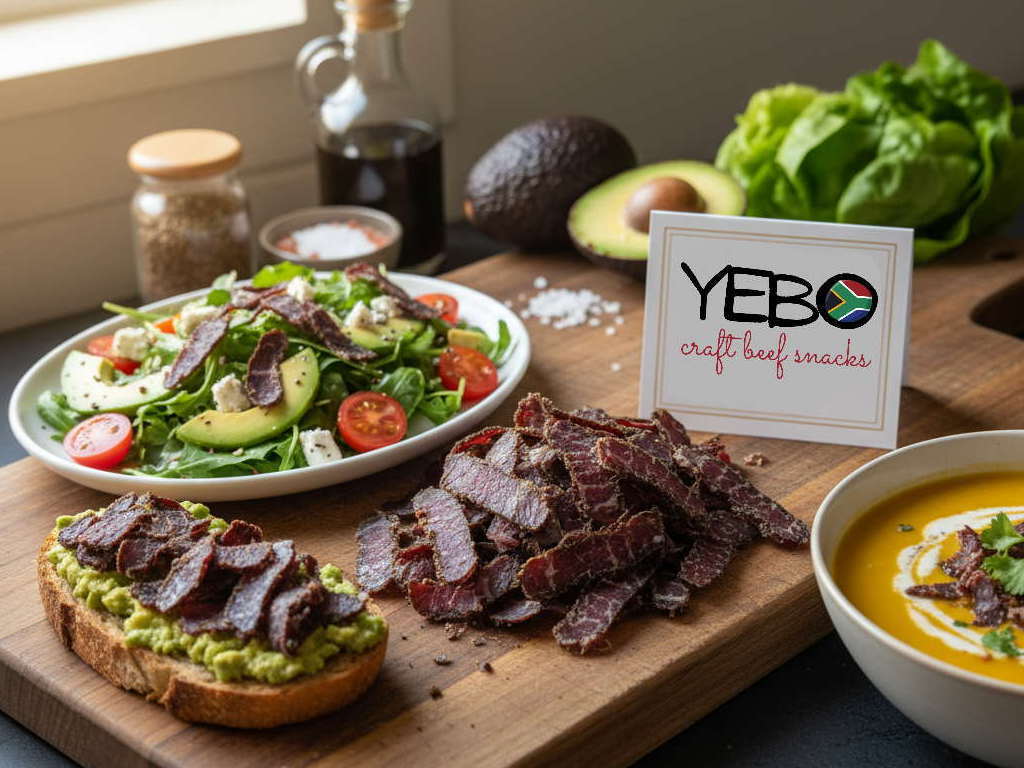
Soup nights become more substantial when you stir in some quality biltong during the last few minutes of cooking. Split pea, lentil, or vegetable soups all benefit from that extra protein punch. Your pantry organization snacks suddenly become meal heroes, transforming simple soups into complete dinners that satisfy even hungry teenagers.
Trail Mix and Snack Pack Combinations
Building the perfect trail mix is part science, part art, and entirely dependent on what’s actually in your pantry right now. Naturally preserved biltong brings the protein foundation that makes homemade trail mixes actually filling (unlike those sugary store-bought versions that leave you hungry an hour later).
Start with a base ratio of one part chopped biltong to two parts nuts and dried fruit. Almonds, cashews, and dried cranberries make a classic combination, but don’t overlook the random bags of sunflower or pumpkin seeds hiding in your cupboards. The salt from the biltong balances the sweeter elements perfectly.
For kids’ snack packs, portion individual servings into small containers or bags. Mix biltong pieces with cheese crackers, dried apple chips, and a few dark chocolate chips. Understanding proper preservation methods means these snack packs stay fresh for weeks without refrigeration, making them perfect for school bags, car trips, or those inevitable “I’m hungry, but dinner isn’t for two hours” moments.
Recipe Inspiration Beyond Solo Snacking
Biltong’s versatility extends far beyond straight-from-the-package snacking. Think of it as a seasoning agent that also packs serious protein. Finely chopped biltong works beautifully in grain bowls, adding umami depth to quinoa or rice dishes alongside roasted vegetables.
For weekend brunch, incorporate biltong into breakfast hash. Dice it small and add to the potato hash during the last few minutes of cooking. The meat’s concentrated flavor distributes throughout the dish without overwhelming it. Biltong also elevates simple salads, particularly those featuring bitter greens like arugula or kale that can handle its robust flavor profile.
Pizza night gets more interesting when you crumble biltong over homemade or store-bought bases. Unlike pepperoni or sausage, biltong doesn’t need cooking, so you can add it during the last few minutes to prevent over-drying. The result? Pizza with complex, authentic flavors that make your neighbors wonder what amazing restaurant delivered to your house.
These pantry-organization snacks prove their worth when you realize how many meal solutions they offer beyond their intended purpose. Smart pantry stocking means always having options.
Maintaining Your Newly Organized Pantry System
Weekly Check-ins and Rotation Schedules
Your organized pantry needs regular attention to stay functional and fresh. Set aside 10 minutes every Sunday to scan your shelves and rotate stock. This habit prevents you from accidentally pushing newer items to the back while older ones get forgotten in front.
With naturally preserved biltong, rotation becomes especially important, as different packages may have varying moisture levels depending on when they were made. Check dates on your South African beef packages and move older ones forward. Unlike commercial jerky with extended shelf life from artificial preservatives, traditional air-cured biltong maintains its quality best when consumed in order of purchase.
Create a simple system: place a small piece of tape with the purchase date on packages without clear dating. This takes seconds but saves you from guesswork later. During your weekly check, also assess which snacks you’re actually reaching for versus which ones are gathering dust.
Seasonal Restocking Tips
Spring brings different snacking patterns than winter, and your pantry should reflect these changes. As warmer weather approaches in Carlsbad, you might find yourself reaching for lighter protein options for hiking or beach days. This is perfect timing to stock up on individual biltong portions that travel well without refrigeration.
Seasonal restocking also means adjusting quantities based on your changing activity levels. Spring cleaning isn’t just about organization – it’s about aligning your food choices with your lifestyle. If you’re planning more outdoor adventures or starting a fitness routine, increase your supply of naturally preserved biltong while reducing heavier winter comfort snacks.
Consider the humidity changes that come with different seasons, too. Spring’s variable weather in Southern California can affect how you store opened packages. Keep your storage containers sealed tight, and don’t buy more than you’ll consume in 2-3 months during more humid periods.
Signs It’s Time to Deep Clean Again
Your pantry will tell you when it needs attention again. If you find yourself digging around to find specific items, or if you’ve started stashing snacks in random spots because your designated areas are overflowing, it’s time for another deep clean.
Look for these warning signs: expired items hiding behind newer ones, crumbs collecting in corners, or that sinking feeling when you can’t find something you know you bought recently. When opening your pantry starts feeling frustrating instead of satisfying, you’ve waited too long.
Another clear indicator is when you start buying duplicates because you’ve forgotten what you already have. This happens especially with specialty items like what is biltong? products that might not be as visually obvious as other snacks when scanning your shelves quickly.
Don’t wait for chaos to return completely. A quarterly deep clean prevents the overwhelm that led to your spring cleaning project in the first place.
Building Habits That Keep Your System Running Smoothly
Sustainable pantry organization comes down to small daily habits rather than periodic major overhauls. The most important habit is returning items to their designated spots immediately after use. It takes two seconds but prevents the gradual slide back into disorganization.
Train yourself to do a quick assessment each time you grab a snack. Are there any empty packages to discard? Items that need to move forward? This ongoing maintenance means your system stays functional without requiring dedicated time blocks.
Keep a running shopping list in a consistent spot – whether that’s a notepad on the pantry door or a notes app on your phone. When you use the last of something, add it to the list immediately. This prevents those frustrating moments when you reach for naturally preserved biltong only to find an empty container.
The goal is to make your organized pantry feel effortless to maintain. When healthy choices like South African biltong are visible and accessible, you’re more likely to reach for them consistently. This creates a positive cycle in which your pantry supports your wellness goals while staying naturally organized.
Your spring-cleaned pantry represents more than just tidy shelves – it’s a foundation for better daily choices and less decision fatigue. By maintaining these systems with simple weekly check-ins and seasonal adjustments, you’re investing in both your health and your peace of mind. Ready to stock your newly organized space with premium naturally preserved biltong that actually supports your goals? Your future self will thank you for both the organization and the quality nutrition that’s now just a reach away.